
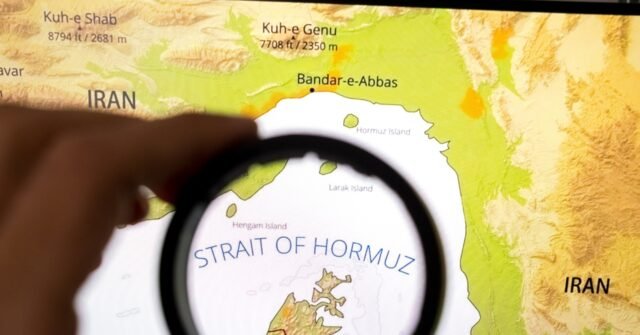
Tehran claimed early Sunday that Iranian forces struck an unmanned U.S. vessel attempting to transit the Strait of Hormuz, in the latest escalation of hostilities choking one of the world’s most critical waterways. The purported attack came just a day after U.S. airstrikes disabled two Iranian oil tankers and destroyed a third, deepening a cycle of retaliation that has effectively closed the strait since February.
According to Reuters, Iran also warned that any further U.S. attacks on its interests would trigger a “faster, heavier and more painful response” in the future. The warning was delivered by Iranian Parliament Speaker Mohammad Baqer Qalibaf, who cautioned Washington to change course “before it is too late.”
“From now on, any attack against Iran’s interests and security will receive a faster, heavier and more painful response,” Qalibaf said in remarks published on his Telegram channel, according to Reuters.
U.S. Central Command Silent on Alleged Strike
U.S. Central Command, which oversees American military operations in the Middle East, did not immediately confirm or deny the purported retaliatory strike, the Associated Press reported. Iranian state media said the U.S. vessel was trying to enter a restricted area in the Strait of Hormuz when it was hit.
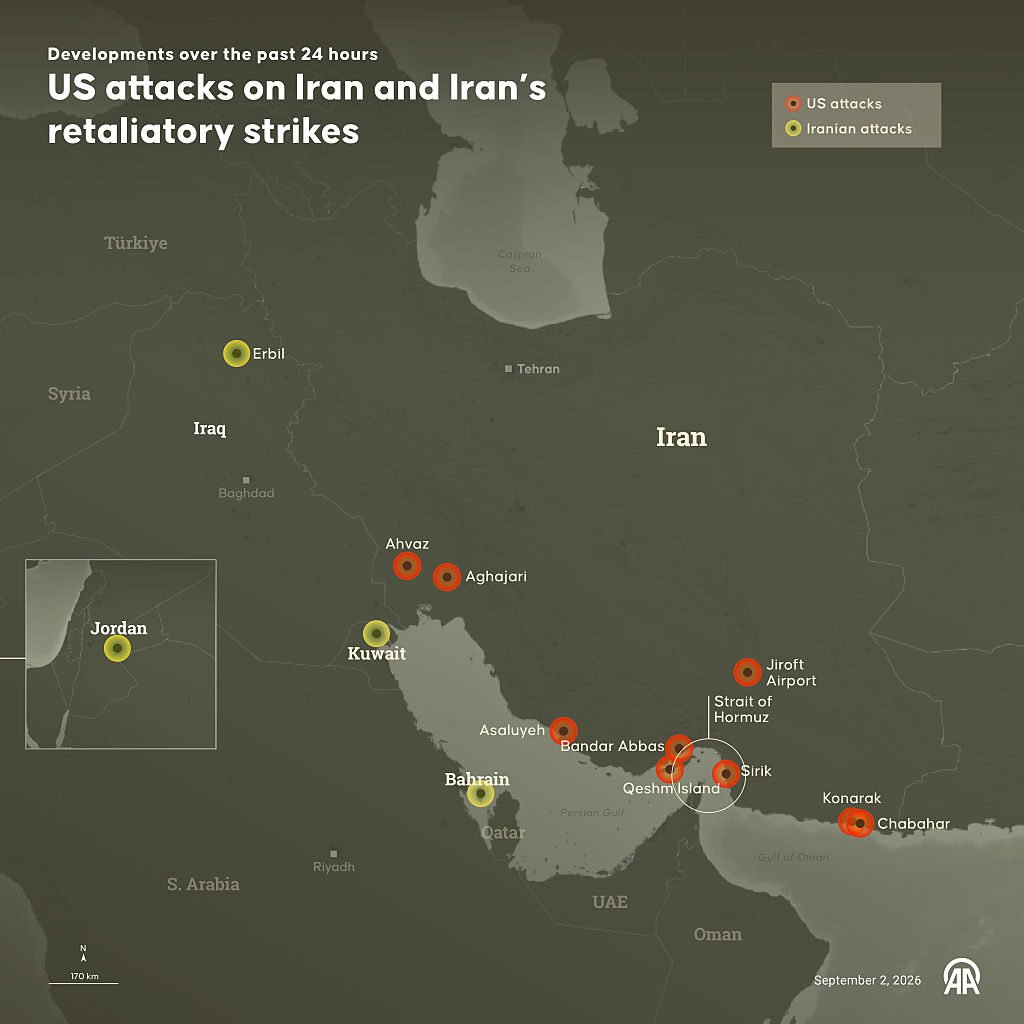
The alleged Iranian strike came one day after the U.S. military said it targeted three Iranian oil tankers in response to a missile attack on U.S. Navy warships, as Breitbart News reported. In that exchange, two tankers were disabled by American airstrikes, while a third was “completely destroyed.”
Kharg Island in the Crosshairs
One of the tankers was struck near Iran’s primary oil loading facility at Kharg Island, confirming reports of explosions near the island that Iranian state media had earlier relayed. Kharg Island hosts Iran’s main terminal for oil exports, with roughly 90 percent of the country’s crude shipped from that point through pipelines from the mainland. The island’s centrality to Iran’s oil economy makes it a natural pressure point in the escalating confrontation.
The Strait of Hormuz is vital to global oil and gas supplies, but it has been effectively closed since the war began in February, as Iran seeks to use the waterway as leverage in negotiations with the U.S. and its allies. The closure has already sent shockwaves through energy markets and prompted U.S. President Donald Trump to urge nations dependent on Hormuz to buy American oil instead.
Mines Reported in Shipping Lanes
Iran’s Islamic Revolutionary Guard Corps (IRGC) has claimed it laid mines in international and Omani waters within the strait. The International Maritime Organization said in June that about 80 mines had been placed in vital shipping lanes, though many have since been removed or neutralized by U.S. Navy operations.
Sunday’s claim of a strike on a U.S. vessel, if confirmed, would mark a new phase in the confrontation, moving from attacks on tankers and warships to targeting unmanned systems. The use of drones and other remotely operated vessels has become a hallmark of modern naval conflict, and the reported strike underscores the expanding scope of the fighting.
Neither the U.S. military nor the Pentagon has issued an official statement on the alleged attack as of this writing. The lack of immediate confirmation leaves room for doubt, but the pattern of escalation is unmistakable. Each side has signaled it is prepared to raise the stakes, and the rhetoric from Tehran suggests the next round of retaliation could come swiftly and with greater intensity.
Qalibaf’s warning, delivered through his Telegram channel, was among the most direct threats yet from Iran’s leadership. His description of Iran acting “without restraint” and his admonition for Washington to “mend its ways” reflect a government that sees itself as having little to lose in a confrontation that has already crippled its oil exports and drawn repeated U.S. military responses.
The Strait of Hormuz, a narrow passage between Iran and Oman through which roughly a fifth of global oil consumption passes, has been a flashpoint for decades. But the current closure, which began in February, is unprecedented in its duration and has drawn international concern about the stability of energy supplies.
The U.S. attacks on Iranian tankers and Tehran’s retaliatory claims are part of a broader struggle that has drawn in regional powers and disrupted shipping worldwide. The IRGC’s mining operations, even if partially neutralized, have added a layer of danger for commercial vessels and naval forces alike.
As the tit-for-tat strikes continue, analysts will be watching for any sign of de-escalation. But with Iran vowing faster and more painful responses and the U.S. demonstrating its willingness to destroy Iranian assets, the path forward appears increasingly fraught. The coming days may reveal whether Sunday’s alleged strike on a U.S. vessel was an isolated incident or the opening salvo in an even more dangerous phase of the conflict.
Source: www.breitbart.com — https://www.breitbart.com/europe/2026/09/06/iran-claims-retaliatory-hit-on-u-s-ship-in-strait-of-hormuz/