
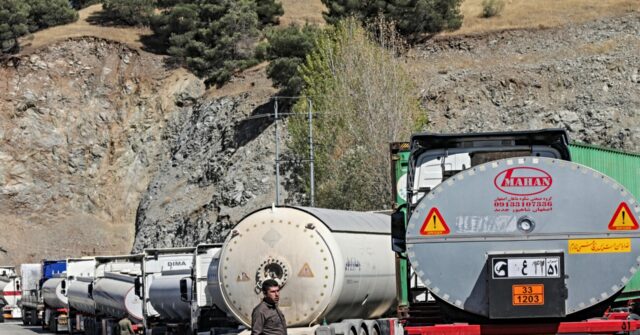
The Iranian economy is facing mounting challenges as truck drivers across the country enter the sixth day of a widespread strike, protesting against crippling inflation and soaring fuel prices. This mobilization, documented in at least 18 cities, highlights the dire conditions impacting the livelihoods of drivers and the broader economic situation in the country.
According to reports from the Union of Truck Drivers and Trucking Associations Across Iran, the national currency, the rial, has lost significant value amid a myriad of economic crises, compounded by ongoing tensions with the United States, including a maritime blockade in the Strait of Hormuz that has shifted supply chains from sea to land.
Economic Deterioration and Rising Costs
Truckers attribute the strike to unbearable living conditions caused by rampant inflation and soaring fuel prices. Union representatives indicated that expenses associated with their jobs have become unsustainable, with diesel prices soaring and costs for essentials like tires skyrocketing in dollar terms. A union statement emphasized, “Tires are priced in dollars, oil is priced in dollars, diesel is priced in dollars.” The statement underscored the need for freight rates to adjust accordingly, as they currently do notreflect the harsh economic reality.
As the protest continues, several cities including Tehran, Shiraz, and Isfahan have seen truckers halt their operations, further straining the already weakened economy. Reports from independent outlets have attributed significant increases in freight rates, with estimates suggesting rises of up to 22.6 percent, placing additional burdens on drivers.
Government Response and Lack of Relief
The Iranian government has remained largely silent on the strike, with state media failing to cover the growing unrest seriously. President Masoud Pezeshkian recognized the economic challenges faced by citizens, labeling the situation an “economic war” directed by the U.S., yet he offered no tangible support for those affected.
Truck drivers have voiced frustration over government inaction, with some expressing sentiments that their needs have been neglected. The union’s initial announcement on November 22 characterized the strike as “a cry of protest from drivers who have spent years struggling under the weight of rising prices, injustice, and neglect.”
Impact on Shipping and Future Negotiations
The strike’s implications extend beyond domestic transportation challenges; it is reportedly impacting international shipping as well. Independent reports indicate that trucks entering Iran from countries like Kazakhstan are experiencing significant delays due to increased traffic, attributed to domestic truckers’ protests. This congestion poses significant challenges to the flow of goods both into and out of Iran.
Iran’s long-standing economic difficulties are further exacerbated by U.S. sanctions, with Treasury Secretary Scott Bessent recently noting the Iranian economy as being “underwater.” These sanctions target financial institutions facilitating the Iranian government’s ability to evade existing measures, reflecting a broader strategy by the U.S. to pressure Tehran amid stalled negotiations.
As the situation unfolds, the future of the strike remains uncertain, and both citizens and observers are keenly watching to see how Iran’s leaders respond to this growing unrest amidst ongoing economic turmoil.
Source: www.breitbart.com — https://www.breitbart.com/middle-east/2026/11/27/iran-trucker-strike-enters-sixth-day-triggered-by-high-oil-prices-and-rampant-inflation/
Source: www.breitbart.com
Related coverage
- Senate Polls May Be Missing the Mark by Up to 7.7 Points in Key States, Analysis Shows
- Bipartisan Senators Raise Alarm Over Cybersecurity Threats Amid Tech Glitches
- Trump Declares Iran ‘Bullshitting’ for 51 Years, Demands Real Deal
- Saudi Coalition Intercepts Cruise Missile Over Medina as Houthis Deny Targeting Islam’s Holy City