
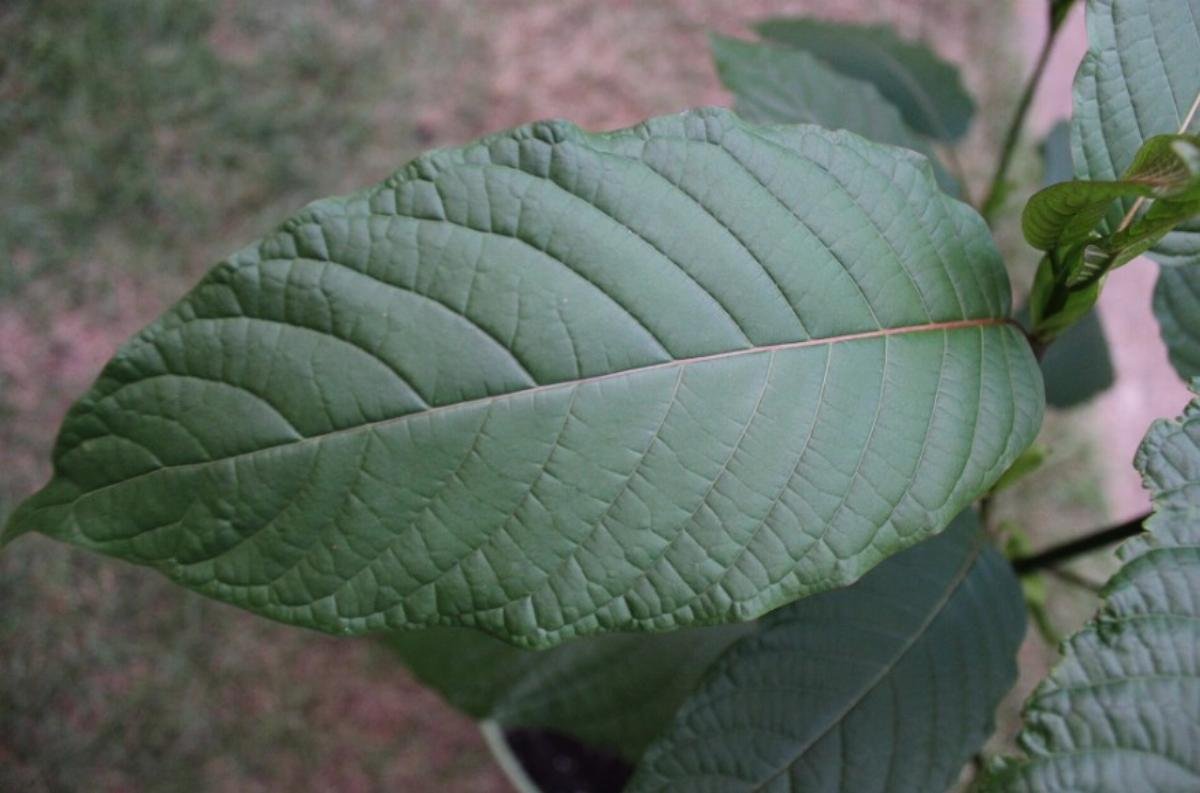
Two University of Mississippi students were found dead in their homes in Oxford, and the one detail that has driven the national coverage is what was sitting near them: packaged kratom, the herbal supplement sold in gas stations and convenience stores across most of the country. Writing in American Thinker, physician Joe Alton notes that the press has already settled on a nickname — “gas station heroin” — even though it is not yet clear whether either student had kratom in their system at all. Toxicology results are still pending.
That gap between headline and evidence is the heart of Alton’s piece. The deaths are real and the families’ grief is not in question. What is in question, he argues, is whether a substance that has been sold legally for years and used by many people to manage pain or stay off opioids is being blamed for fatalities that the science does not clearly attribute to it.
What kratom actually is
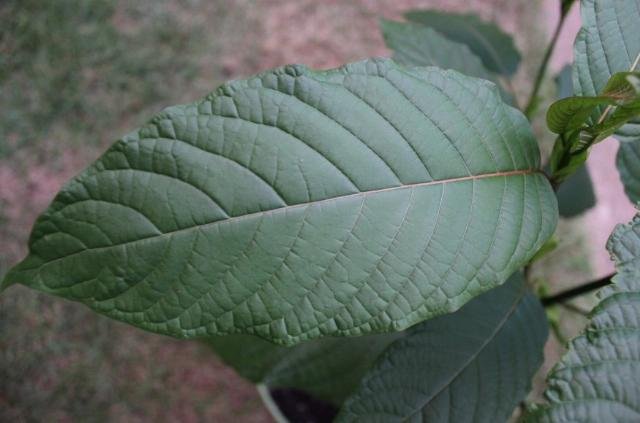
Kratom comes from the leaves of a tree native to Southeast Asia. Its main active compounds are mitragynine and, in much smaller amounts, 7-hydroxymitragynine. Both act on opioid receptors in the brain, much the way heroin and morphine do — but kratom is not an opiate. It belongs to the coffee family, and the similarity in how it works should not be mistaken for chemical identity.
The two compounds behave differently enough that lumping them together obscures more than it explains. Mitragynine produces a mild stimulant effect at lower doses. 7-hydroxymitragynine is the more potent of the two and carries the opioid-like effects — sedation, euphoria, pain relief — along with a higher risk of physical dependence, tolerance, and rough withdrawal.
None of this is new. Kratom has been used for years by people who credit it with relieving pain, and by others who say it helped them replace a heroin or opiate habit. The FDA has not approved it for any medical use and has issued warnings about its addictive potential. Several states have banned products containing kratom outright, writing prohibitions on mitragynine and 7-hydroxymitragynine in a way that makes possessing the plant itself illegal.
The numbers don’t match the alarm
The central question, as Alton frames it, is whether kratom is as lethal as the opioids it sometimes replaces. On that, he says, the hard evidence does not support the level of fear the conventional wisdom assumes.
He points to a CDC analysis of National Poison Data System records covering 2015 through 2025, which documented 233 kratom-associated fatalities. Kratom was listed as the sole cause of death in 21 percent of those cases — meaning in roughly four out of five, something else was in the picture. A separate CDC report listed kratom as a cause of death in 91 cases, and of those, just seven involved kratom alone with no other substances present.
There is also the State Unintentional Drug Overdose Reporting System, a CDC surveillance program that analyzes fatal drug events in participating states. Its data show roughly 800 to 1,150 deaths a year in which kratom was detected — detected, Alton stresses, but not confirmed as a factor in the cause of death. That distinction matters: a substance found in a toxicology screen is not the same as a substance that killed someone.
Set against fentanyl, the comparison is stark. Alton notes that the number of fatal kratom poisonings appears small next to the toll taken by other substances, particularly synthetic opioids.
What the Ole Miss cases could actually show
Alton is careful here. He does not claim to know what happened in Oxford. What he does is lay out the possibilities that packaged kratom at the scene does not rule out.
The first is polysubstance use. Pure kratom overdoses are considered rare, and in roughly 80 to 90 percent of documented fatalities, other potent substances were also involved — most commonly fentanyl, heroin, benzodiazepines, prescription opioids, or alcohol.
The second is product contamination. Some kratom-linked deaths have followed from adulterated products: kratom laced with synthetic opioids such as tramadol, contaminated with heavy metals like lead or nickel, or carrying bacteria such as salmonella. That is a problem of an unregulated market, not necessarily of the plant.
The third is the difference between detection and causation. Even if postmortem toxicology confirms kratom was ingested, there remains a genuine debate over whether 7-hydroxymitragynine was the direct cause of death or an incidental finding alongside other toxic drugs.
Alton does not dismiss the risk entirely. He acknowledges that enough 7-hydroxymitragynine can plausibly cause life-threatening respiratory depression and other serious harm.
The choice facing the FDA
The FDA has taken an anti-kratom stance as more states move to ban the plant, and the Department of Health and Human Services is now studying it. Its final determination will decide whether kratom is banned nationwide and permanently.
Alton walks through both branches of that decision. If the FDA bans kratom, the immediate consequence is a population of addicted users pushed into withdrawal — and his question is how many of them would turn to actual opioids like heroin instead. The result, he warns, could be a rise in opiate overdose deaths in a country already living through an epidemic of them.
If there is no ban, the deaths recorded as caused by kratom use remain, by his reading of the data, small compared with those from fentanyl.
His preferred path is neither prohibition nor the status quo. Alton argues the FDA should study kratom and establish standards rather than ban what detractors call “gas station heroin” — a move he contends would be a disaster for people who depend on it to stay off opioids. The absence of regulation, he writes, is what allows a wide range of questionable kratom supplements to sit on shelves wherever the product is sold. Verifying actual contents, purity, and concentration, and setting strict instructions for use, might mean we no longer have to wonder whether kratom kills college students.
It is an argument about sequencing as much as substance: find out what the toxicology says, understand what the compound does at what dose, and regulate the supply chain accordingly — before reaching for a nationwide ban on the strength of a nickname.
Source: www.americanthinker.com — https://www.americanthinker.com/blog/2026/09/gas-station-heroin/