
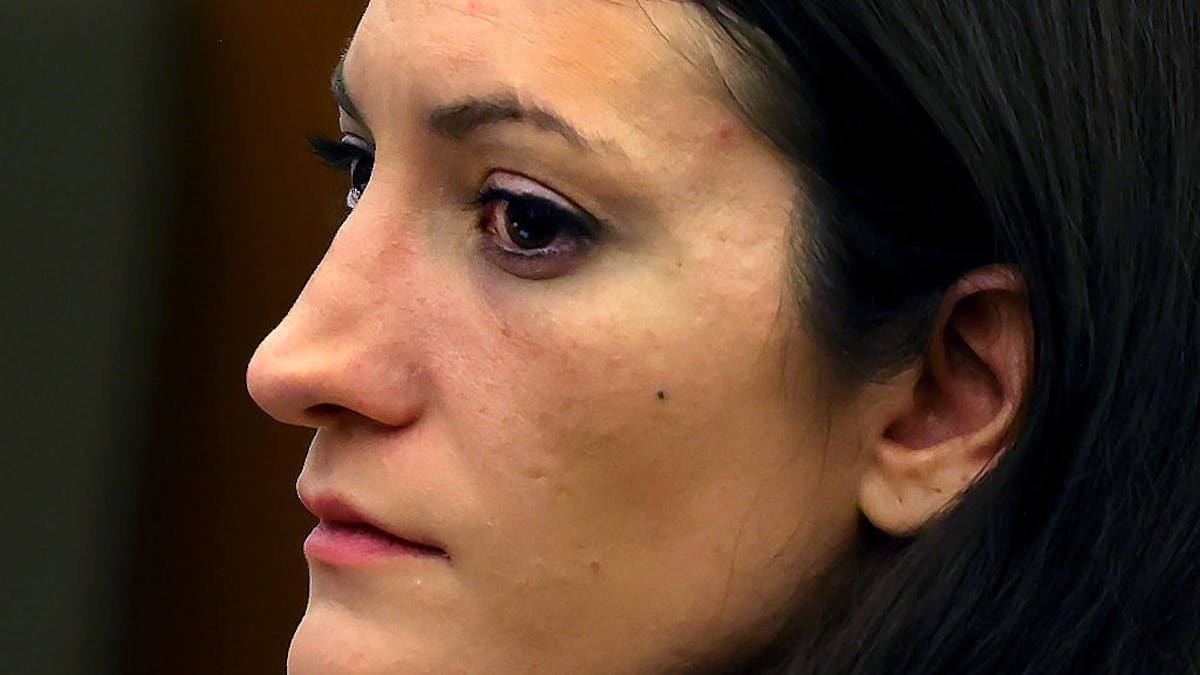
The Lindsay Clancy trial has ended in a hung jury, with 11 jurors favoring acquittal on grounds of insanity. But the most contentious battles are being fought outside the courtroom, where the case has become a flashpoint for broader cultural and political arguments about motherhood, mental illness, and personal responsibility.
Clancy, a Massachusetts mother, was charged with murdering her three children in 2023. The central question before the jury was whether she was so severely psychotic at the time of the killings that she could not distinguish right from wrong. That question has proven deeply divisive, pulling in opposing camps on the left and right, each declaring the case open-and-shut in their favor.
Psychiatry’s imprecise science
Much of the public discourse around the case assumes a level of certainty that the field of psychiatry simply does not offer, according to commentators following the trial. Psychiatric diagnoses are often based on checklists and self-reported symptoms, and medication regimens are frequently adjusted through trial and error rather than precise science.
“It’s basically trying different combinations… see what works, then adjust medication based on the symptoms,” one analysis noted. This inherent imprecision makes cases like Clancy’s particularly difficult to adjudicate.
In Massachusetts, the legal framework adds another layer of complexity. The burden of proof in an insanity defense case rests on the prosecution to prove the defendant was sane, rather than on the defense to prove insanity. Combined with the “beyond a reasonable doubt” standard, this creates a very high bar for prosecutors to clear.
The defense’s core arguments
Clancy’s defense team presented several key arguments in support of their claim that she was in a psychotic state at the time of the murders. The most compelling, according to legal observers, was the fact that Clancy attempted to take her own life after the killings. That act, they argue, is inconsistent with a cold-blooded murderer but consistent with a person in the throes of a psychotic break.
The defense also pointed to Clancy’s reported hearing of voices — a claim that is inherently subjective and impossible to verify. “There’s literally no way to determine whether that happened, since it’s purely subjective,” the analysis noted. This was considered the weakest pillar of the defense case, yet it remained central to the argument.
Finally, the defense raised concerns about medication interactions. Clancy reportedly worried that her psychiatric drugs were not working or were interacting poorly, a common concern among psychiatric patients. The defense did not allege that she believed she was being poisoned, which might have strengthened the case, but rather that she was struggling with her treatment.
A hung jury and the reasonable doubt question
The jury’s inability to reach a unanimous verdict — with 11 jurors reportedly favoring acquittal — reflects how heavily the burden of proof weighed on the prosecution. Some trial watchers expressed surprise at the lopsided vote, with one commentator noting they expected a more balanced split.
“I can see how people would arrive at reasonable doubt,” the analysis said, citing the combination of the defense’s arguments and the high legal bar. It remains to be seen whether prosecutors will retry the case or whether a plea agreement will be reached.

Protesters and the politics of the case
Beyond the legal proceedings, the case has sparked protests outside the courthouse. Demonstrators have rallied in support of Clancy, framing her as a victim of a society that fails mothers, and some have gone further, suggesting her case exemplifies systemic failures that implicate everyone.
Observers have noted the unusual nature of these protests. Typically, courthouse demonstrations signal a belief in a fundamental miscarriage of justice tied to systemic corruption — such as racial bias or political persecution. In this case, however, the protests appeared to be more of a general cry against societal conditions that might contribute to postpartum psychosis or maternal mental health crises.
“It just seemed like a cry against the world that somehow all of society is responsible for Lindsay Clancy’s psychotic behavior,” one commentary observed.
This reaction has drawn sharp criticism, particularly from those who see it as an attempt to absolve Clancy of personal responsibility and to expand the #MeToo-era focus on women’s autonomy into a broader indictment of society. Some have connected the protests to ideological positions on abortion, arguing that the same worldview that treats abortion as a fundamental right also tends to downplay the moral weight of children’s lives after birth.
Pro-life advocates have long argued that there is no moral distinction between the pre-born and the post-born. For them, the public sympathy for Clancy stands in stark contrast to the lack of sympathy for the three children she is accused of killing.
A case that defies easy answers
The Lindsay Clancy case is a reminder of how messy real-world mental health and criminal justice can be. It lacks the clean narrative arcs that fit neatly into political or cultural boxes. The horror of three children’s deaths is undeniable, but so too is the complexity of Clancy’s mental state and the legal standards that govern her case.
What remains clear is that the case has become a Rorschach test for deeply held beliefs about motherhood, medicine, and morality. And with the jury unable to reach a verdict, the debate is far from over.
Source: www.dailywire.com — https://www.dailywire.com/news/what-everyone-is-missing-about-lindsay-clancy