
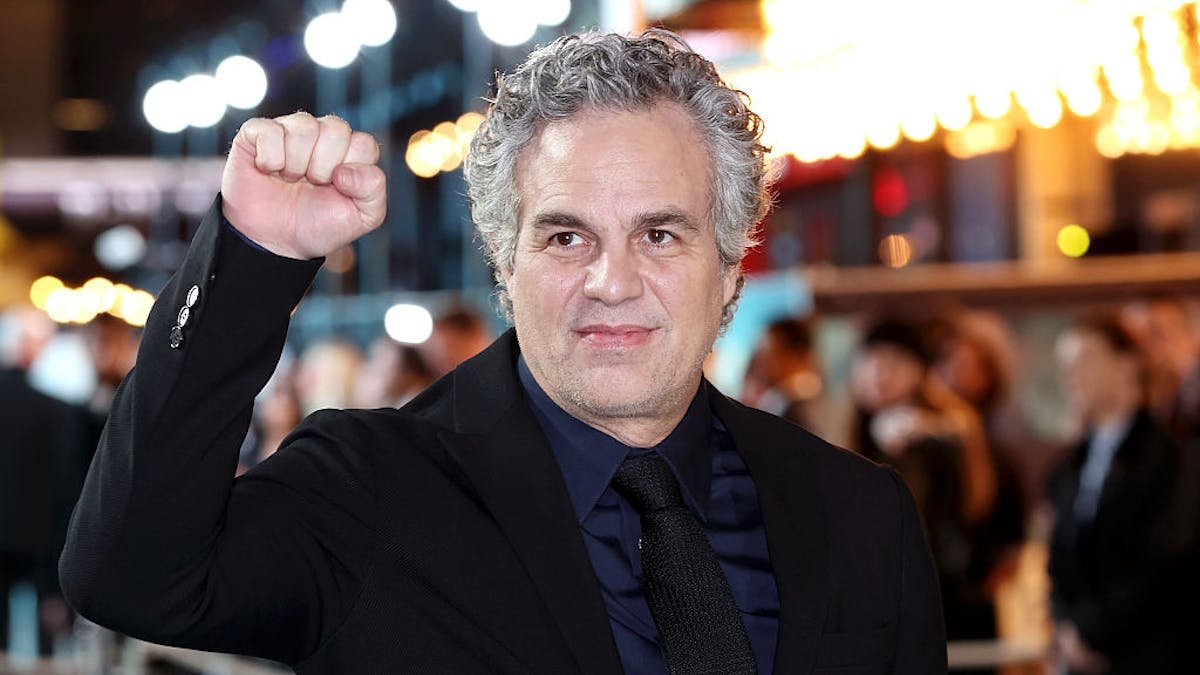
Mark Ruffalo, best known for his role as the Hulk in Marvel’s Avengers franchise, has increasingly used his platform to voice opinions that critics say cross into antisemitism. A new commentary piece from Bonnie Glick, a Senior Fellow at the Foundation for Defense of Democracies, argues that Ruffalo’s recent outbursts against Jewish leaders in Hollywood and tech are not just misguided but rooted in deep-seated hatred.
At the center of Ruffalo’s latest controversy is his opposition to the proposed merger between Paramount and Warner Bros. Discovery. The actor took to social media to urge state attorneys general to block the deal, citing the involvement of David Ellison—the Jewish owner of Paramount—and his father, Larry Ellison, founder of Oracle. Ruffalo linked Oracle’s business operations in Israel to what he called “scary technologies,” suggesting the merger would make Americans unsafe. He also railed against the deal on antitrust and consolidation grounds, claiming it would harm jobs.
Paramount, for its part, publicly called Ruffalo’s remarks “antisemitic” and “unfounded,” noting that he sees paranoid connections where none exist. The company’s rebuke was swift and sharp, underscoring how Ruffalo’s comments have moved beyond typical celebrity political commentary into what many view as hateful territory.
The actor’s rhetoric has not been limited to corporate mergers. Earlier this year, Ruffalo wore a controversial lapel pin to the Oscars that featured a red hand symbol. The pin, which Ruffalo said was meant to call for a ceasefire in Gaza, actually commemorates a violent act by Palestinian terrorists who kidnapped and lynched two Israeli reservists in Ramallah in 2000. Images of the terrorists holding up bloody hands became a symbol of that brutal killing, in which the victims were thrown from a window, dragged through the streets, and burned.
Critics, including Glick, argue that Ruffalo’s actions reveal a troubling inability to distinguish between reality and fiction—a dangerous trait for a public figure with millions of fans. “When actors like Ruffalo are allowed to make their own speech decisions, they do dumb and cruel things,” writes Glick, suggesting that maybe Ruffalo should stick to non-verbal roles, like the Hulk, where his words can’t cause harm.
Ruffalo’s comments align with a broader pattern of Hollywood figures wading into Middle East politics, often drawing sharp rebukes. But his specific accusations against Jewish individuals in powerful positions have raised concerns about the normalization of antisemitic tropes in mainstream discourse. By tying Oracle’s tech business in Israel to alleged genocide in Gaza, Ruffalo is echoing conspiracy theories that have long dogged Jewish communities, according to his critics.

The actor’s supporters, however, may see his statements as a genuine attempt to highlight corporate malfeasance and human rights concerns. Ruffalo has been an outspoken advocate on climate change and other progressive causes, and his comments on the Paramount merger could be interpreted as part of a larger critique of media consolidation. Yet his framing, which singles out Jewish executives and ties them to broader conspiracies, has drawn sharp backlash.
Glick, a self-avowed Marvel and DC comics fan, does not mince words in her assessment of Ruffalo’s suitability for his most famous role. “Ruffalo was never convincing as brilliant scientist Dr. Bruce Banner because he clearly isn’t capable of playing a smart guy,” she writes. She goes on to suggest that it may be time for Marvel to recast the character, pointing to a list of actors and directors—including Scarlett Johansson, Gal Gadot, Gwyneth Paltrow, David Corenswet, and Quentin Tarantino—who, in her view, could bring more depth and integrity to the roles.
A Pattern of Antisemitism or Political Misfires?
While Ruffalo has not responded publicly to the latest criticism, his past posts on Israel and Gaza have previously drawn ire. In 2021, he faced backlash for comparing Israeli Prime Minister Benjamin Netanyahu’s government to Nazi Germany—a comparison that many found offensive and historically inaccurate. Ruffalo later walked back some of his statements, but critics say his recent actions suggest a hardened worldview.

The actor’s use of the red hand pin is particularly incendiary. The symbol, associated with a specific act of terrorism, is viewed by Jewish groups as a glorification of violence. The Anti-Defamation League and other organizations have frequently condemned such imagery, which invokes long-standing blood libel tropes against Jews.
Glick’s commentary also takes aim at Ruffalo’s broader social circle, suggesting that he is part of a clique of “washed-up” actors who validate each other’s hateful views. She argues that Hollywood has a responsibility to elevate voices that build bridges rather than burn them.
“We need more great leaders to fill the silver screen’s biggest roles,” she writes, contrasting Ruffalo with other stars who have used their fame for more constructive purposes.
The question now is whether Ruffalo’s recent comments will have lasting consequences for his career. In an industry where public perception can make or break prospects, repeated accusations of antisemitism could lead to fewer plum roles. Already, some conservative commentators have called on studios to sever ties with the actor, though no major projects have been publicly affected.
For now, Ruffalo continues to be a visible figure in both Hollywood and political activism. But his critics argue that his role as a real-world influencer comes with responsibilities he has failed to meet.
As Glick suggests, perhaps it’s time for Ruffalo to revisit the advice given to many actors: stick to the script. In his case, that might mean letting the Hulk do the talking—since the Hulk, at least, doesn’t spout conspiracy theories.
Source: www.dailywire.com — https://www.dailywire.com/news/how-mark-ruffalo-swapped-the-avengers-for-antisemitism