
Hundreds of men dressed in black and wearing balaclavas descended on the Port of Dover on Saturday, blocking traffic in a dramatic protest against the ongoing migrant crisis in the English Channel. The demonstration, which took place on the streets surrounding Britain’s main short-sea ferry and freight port, saw protesters chant “send them back” and “stop the boats,” according to reports.
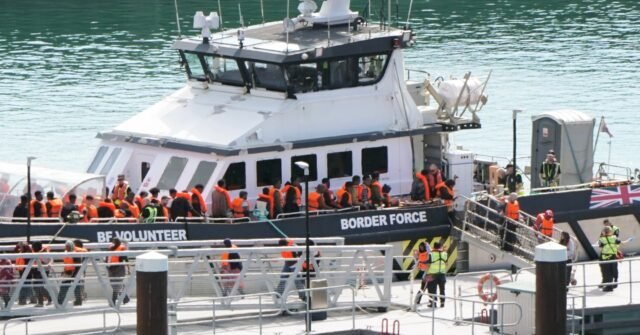
The Port of Dover, a key gateway for cross-Channel trade and travel, has also become the central hub for illegal boat migrants brought ashore in England by the Border Force or the Royal National Lifeboat Institution (RNLI). Rather than pushing boats back to the beaches of France, Border Force typically collects migrants partway across the Channel—often escorted by the French Navy—and ferries them the rest of the way to Dover.
A Protest With No Spokespeople
The demonstration, which reportedly blocked all traffic entering the port, drew attention for its scale and the anonymity of its participants. According to the BBC, the masked protesters refused to speak to the press. Their chants, however, left little doubt about their message.
Kent Police acknowledged the protest, stating they were “engaging with protesters.” No arrests or incidents of violence were immediately reported.
The sight of hundreds of men in black clothing and masks marching through the streets of Dover provoked a mixed response from local leaders and national figures.
Support and Criticism
Veteran street organiser Tommy Robinson described the balaclava-wearing men as “British patriots” and urged his social media followers to “get there to support them.” His endorsement highlighted the protest’s resonance among some grassroots activists frustrated with the government’s handling of migration.
Others, however, voiced concern. Reform UK councillor for Dover West, Paul King, said many local women were “frightened by such a large group of men walking up the street” with their faces covered. While he expressed understanding for the protesters’ motivations—calling the Labour government “useless” on the issue—he stressed that this was not the way to solve it.
The Migrant Crisis by the Numbers
Saturday’s protest came against a backdrop of sustained pressure from Channel crossings. Since the crisis began in earnest around 2019, over 200,000 migrants have successfully reached British territory via the route. Although crossings have declined this year, over 16,000 more migrants have been brought ashore at Dover since the start of the year, underscoring the scale of the challenge.
The British government has attributed the decline in crossings to its own policies, but the Migration Observatory notes that it is often “difficult to know what caused changes in small boat arrivals during a specific period.” The independent research body has pointed out that weather conditions may have played just as important a role in reducing the flow of migrants across the Channel as any government initiative.
Political Context
The protest came just a day after Reform UK leader Nigel Farage signed an agreement with French National Rally leader Marine Le Pen, committing to send migrant boats back to France if both parties come to power. The agreement, which has long eluded successive British governments in negotiations with French President Emmanuel Macron’s outgoing administration, signals a hardening of political rhetoric on migration.
Local sentiment in Dover, a frontline town in the crisis, has been increasingly strained. Residents have watched as boats arrive regularly, and political leaders have traded blame over who is responsible for securing the borders.
Saturday’s demonstration, though organised by no identifiable group, reflected the frustration felt by some segments of the British public. The masked nature of the protest, however, raised questions about tactics and the potential for intimidation.
As the Channel migrant crisis continues, with crossings persisting despite government efforts, the scenes in Dover are likely to intensify the ongoing national debate over how to address illegal immigration while balancing humanitarian concerns and law enforcement. For now, the Port of Dover remains open, but the images of masked men filling its streets will linger in the minds of many.
Source: www.breitbart.com — https://www.breitbart.com/europe/2026/09/05/black-clad-protesters-in-balaclavas-march-in-dover-against-channel-migrant-crisis/