
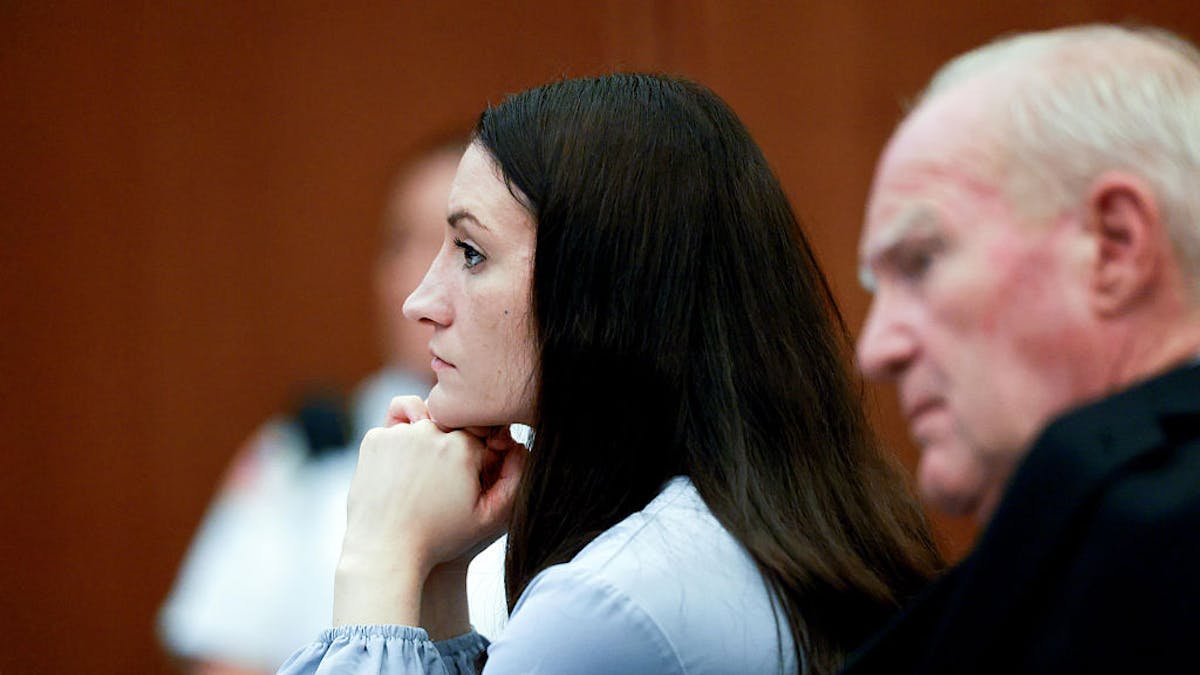
A Boston NBC affiliate’s investigation into a single juror from the Lindsay Clancy murder trial has thrust the jury selection process into the spotlight — and raised thorny questions about whether scrutinizing that juror after the fact could run afoul of Massachusetts law.
NBC10 Boston published an exclusive Friday examining the lone holdout juror who voted to convict Clancy, reporting that he had been accused of domestic violence in 2021 and faced an active restraining order, and that his landlord was pursuing eviction for nonpayment of rent. The outlet cited court documents and interviews with the juror’s family members.
According to the report, the juror was accused by his nephew of grabbing his then-wife by the throat; the couple divorced after the incident. Criminal charges were later dropped. The restraining order was reportedly sought by the same nephew, who said the juror punched and threatened him for calling police about the first incident.
Questions About Jury Selection
“Those details raise questions about the jury selection process,” NBC10 reported.
The outlet’s chief legal analyst, Michael Coyne, said the situation was difficult to square with standard juror screening.
“I don’t see how they would’ve allowed him to be a member of this jury,” Coyne said, noting that Massachusetts jurors must answer questions about prior arrests, criminal charges, or court orders. “I don’t see how, if those questions had been answered correctly, one side or the other would’ve taken the chance with allowing him to be seated.”
It remains unclear whether juror questionnaires are retained after a trial concludes, meaning it may be impossible to determine whether the man answered those screening questions truthfully.
Massachusetts law, however, would not have automatically disqualified him based on the dropped charges. Only a felony conviction within the past seven years — or pending felony charges — would bar jury service in the state.

The Legal Line Between Investigation and Harassment
Critics quickly pointed to another wrinkle: Massachusetts law prohibits intimidating or harassing witnesses, jurors, and others involved in legal proceedings.
Chapter 268, Section 13B of the Massachusetts General Laws makes it a crime to willfully, directly or indirectly, threaten or cause physical, emotional or economic injury to a juror — or to mislead, intimidate, or harass a juror with the intent, or reckless disregard for the possibility, of retaliating against them for their participation in proceedings.
The statute covers both intimidation during legal proceedings and harassment or retaliation afterward. Penalties can include up to 10 years in state prison, up to 2 ½ years in a house of correction, fines between $1,000 and $5,000, or a combination.
The Daily Wire, which first flagged the critics’ concerns, noted that NBC10 Boston does not appear to have launched similar investigations into any of the other jurors.

Other Jurors and Defense Speak Out
Several other members of the jury — along with defense attorney Kevin Reddington — have spoken publicly since the trial, all accusing the lone holdout juror of failing to properly consider the facts of the case.
The unusual post-trial scrutiny comes amid continuing debate over Clancy’s case, which has drawn national attention. Clancy was convicted of murder in the deaths of her three children. The lone holdout juror’s vote to convict stood apart from the rest of the panel, though the specific breakdown of the jury’s deliberations has not been fully detailed in the NBC10 report.
NBC10’s investigation focused exclusively on the one juror, raising questions about the outlet’s editorial choices as well as the legal boundaries between reporting on jurors and potentially harassing them. Legal experts have noted that while journalists are free to investigate public records and conduct interviews, Massachusetts law casts a wide net when it comes to actions that could be perceived as retaliatory against jurors for their service.
The juror’s family members cooperated with NBC10 for the report, according to the outlet. It is not clear whether the juror himself has responded to the report or to questions about his jury service.
As the Clancy case continues to generate headlines, the scrutiny of this single juror — and the legal questions it raises — may prove to be a lasting subplot. Whether the investigation crosses the line into prohibited harassment under Massachusetts law is a question that could ultimately be decided in court, not in a newsroom.
Source: www.dailywire.com — https://www.dailywire.com/news/the-lindsay-clancy-jury-rabbit-hole-just-keeps-getting-deeper