
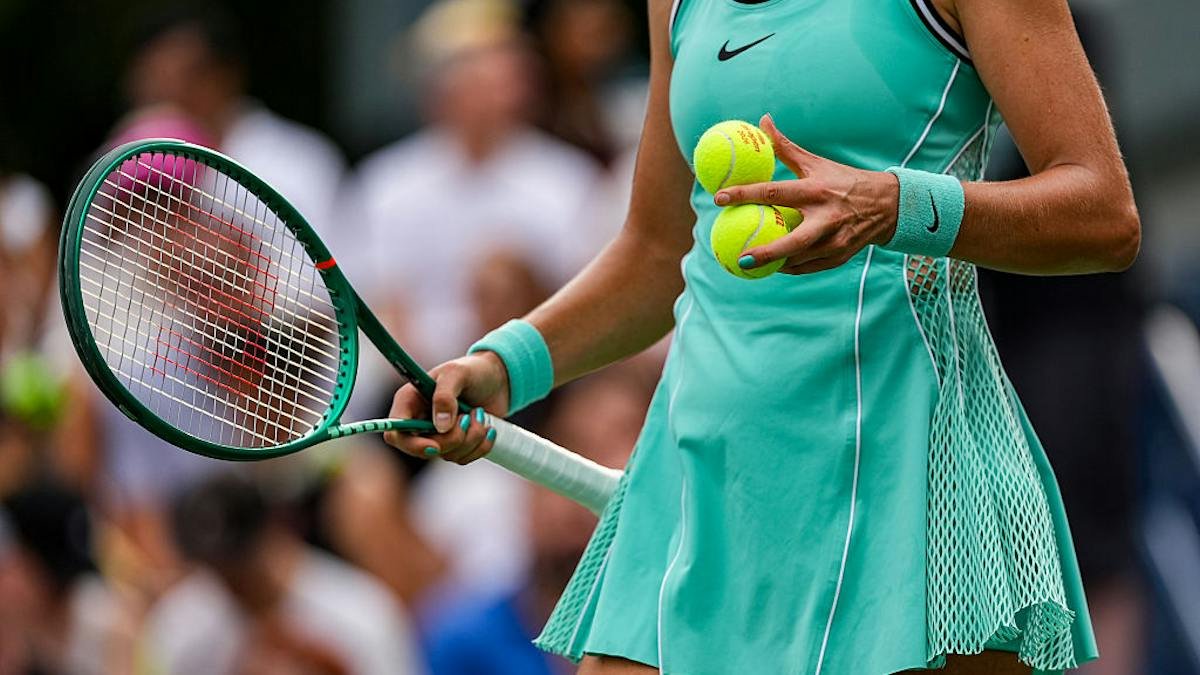
Nike is out of the S&P 100. The athletic apparel giant will be removed from the index of the largest and most stable U.S. mega-caps before markets open on September 21, ending an 18-year run in the exclusive club. As The Daily Wire reported, the company remains large by almost any measure—but it is no longer considered stable.
The numbers tell a stark story. From its 2021 stock-price high, Nike has fallen roughly 78%, and it has lost close to 80% of its market capitalization over five years. In the Fortune 100, the company barely held on this year at number 99, down from a peak of 83 in 2022 and an entry position of 91 in 2016.
Fiscal 2026 revenue came in at $46.4 billion, still by far the biggest among athletic brands—Adidas sits at a little more than half that figure. But Nike’s peak revenue of $51.36 billion came just two years earlier, in 2024, meaning the company has already shed roughly $5 billion, or about 10%, since then.
A Slow Climb, a Fast Fall
The source article, an opinion piece by Jennifer Sey, CEO of XX-XY Athletics, argues that the decline was not sudden but rather the product of years of missteps that leadership either ignored or failed to address. Sey writes that while it would be easy to attribute the collapse to the company “going woke,” the reality is both more and less complicated: it comes down to hubris that manifested throughout the organization.
Warning signs were visible well before the bottom fell out, according to the piece. Gross margin for fiscal 2024 ticked up to 44.6%, but only because freight costs dropped—not because the brand had grown stronger or gained pricing power. That freight-cost luck masked a decline already underway. Meanwhile, Nike’s direct-to-consumer margins were sliding, and an inventory glut forced heavy discounting, the classic retail doom loop.
The deeper problem, according to Sey, was product. For decades Nike’s edge was innovation, but the company over-indexed on financial engineering, digital metrics, and recycling old franchise products like Air Force 1s and Jordans instead of creating new performance footwear and running shoes. Competitors including Hoka and On Running began eating into Nike’s market share with fresh innovation.

The Summer That Broke the Narrative
By summer 2024, the cracks produced a disastrous earnings report and a 19% single-day stock crash that wiped out $28 billion in market capitalization. CEO John Donahoe—the former eBay executive whom Sey describes as preferring digital optimization over innovating and brand-building—was out later that year. In her view, he was always the wrong choice to lead a brand that had created an entire category and lifestyle.
Sey points to several strategic decisions that alienated Nike’s core customers. The company pulled out of mainstream wholesale channels like Amazon and DSW—the places regular people actually buy sneakers—to chase a higher-margin direct-to-consumer business and a wealthier, more “progressive” customer. It overproduced what used to be scarce collaborative drops, wrecking the scarcity that made those releases feel special. It leaned heavily on China and watched that market grind lower quarter after quarter.
She also notes that Nike’s cultural controversies predated its more recent political entanglements. The company fired Olympic champion Allyson Felix because she was pregnant, and runner Mary Cain came forward about mental and physical abuse she experienced while training with Nike’s Oregon Project running club. The allegations led to the coach’s firing and the club’s shutdown, and were a major factor in former CEO Mark Parker’s exit. Sey describes those episodes as decidedly not woke—in fact, the opposite.

Later, Nike went all-in on left-leaning politics: the Colin Kaepernick campaign, COVID-era advertising, and transgender influencer Dylan Mulvaney as a brand ambassador for running bras. Founder Phil Knight retired as chairman emeritus in 2016—which Sey suggests may have been when common sense left the building. By 2020, she writes, Michael Jordan’s old warning that “Republicans buy sneakers too” was treated as obsolete.
Turnaround Under Pressure
Elliott Hill, a Nike lifer pulled out of retirement, took over as CEO in October 2024. But according to Sey, a new chief executive cannot wave away a decade of distribution mistakes, inventory gluts, and core-customer alienation. Hill is already under pressure, and Fortune magazine recently asked how much time a turnaround CEO should get. Typically, they get more than two years—but Sey suggests he may not, given the market’s palpable impatience and what she imagines is the board’s as well.
The piece concludes with a sobering prediction: Nike will always exist and will always take significant market share, but it will never again be the dominant, untouchable brand it was for nearly 40 years. Some declines, Sey writes, you don’t reverse. You just live with a smaller version of what you used to be.
Source: www.dailywire.com — https://www.dailywire.com/news/nike-falls-out-of-the-sp-100-they-earned-it