
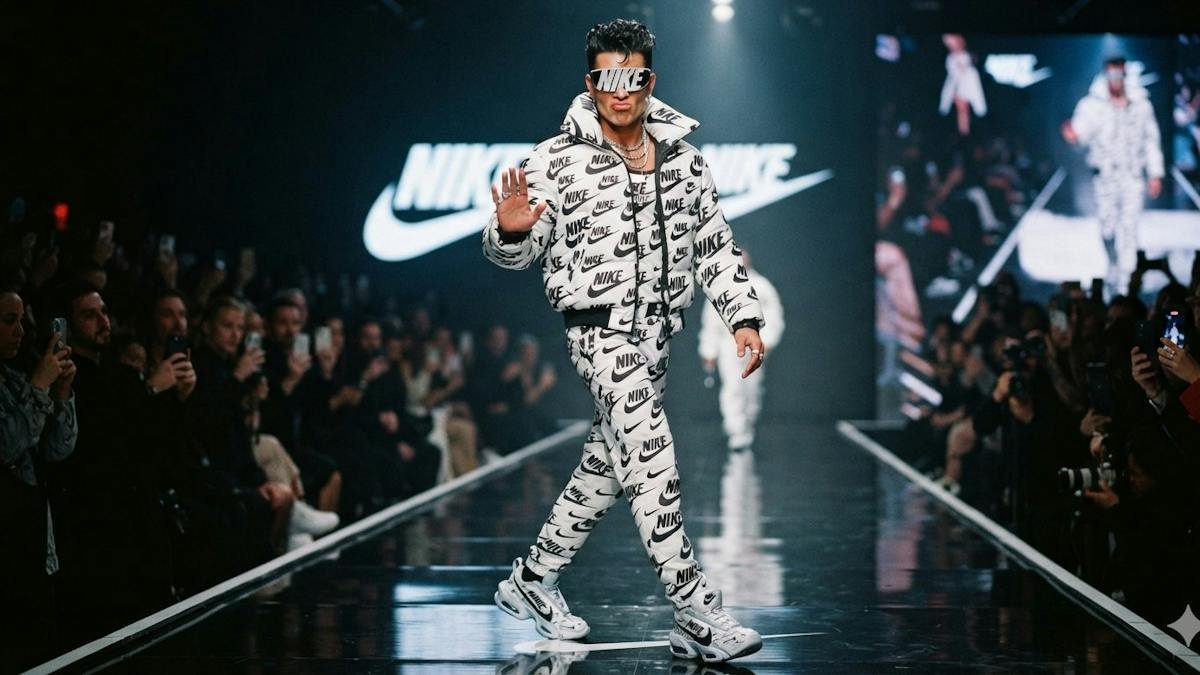
Nike’s newly released Specter Edition NBA uniforms are drawing sharp criticism from sports commentator Ethan Strauss, who argues in a House of Strauss column republished by The Daily Wire that the widely mocked jerseys are the latest evidence of a company that has lost touch with the people who actually buy its products.
The uniforms, slated for the 2026-27 season, are described by Nike as an effort to “reimagine team identity for the league’s oldest franchises through their history, culture and the energy of today’s game.” The company said the collection was “created to revolutionize the look of the NBA for the next generation, strengthening the connection between what athletes wear on court and how fans express their team devotion.”
Strauss isn’t buying it. He writes that the value proposition of a uniform is that it stays uniform — that fans have an emotional, almost Pavlovian attachment to classic team jerseys, and that the notion of “reimagining” that identity misunderstands why people wear them in the first place. He invokes what he calls his “Rule of Corporate Slop”: a trend is bad when even its defenders can’t defend it on merit, but instead only speculate that hypothetical kids must like it.
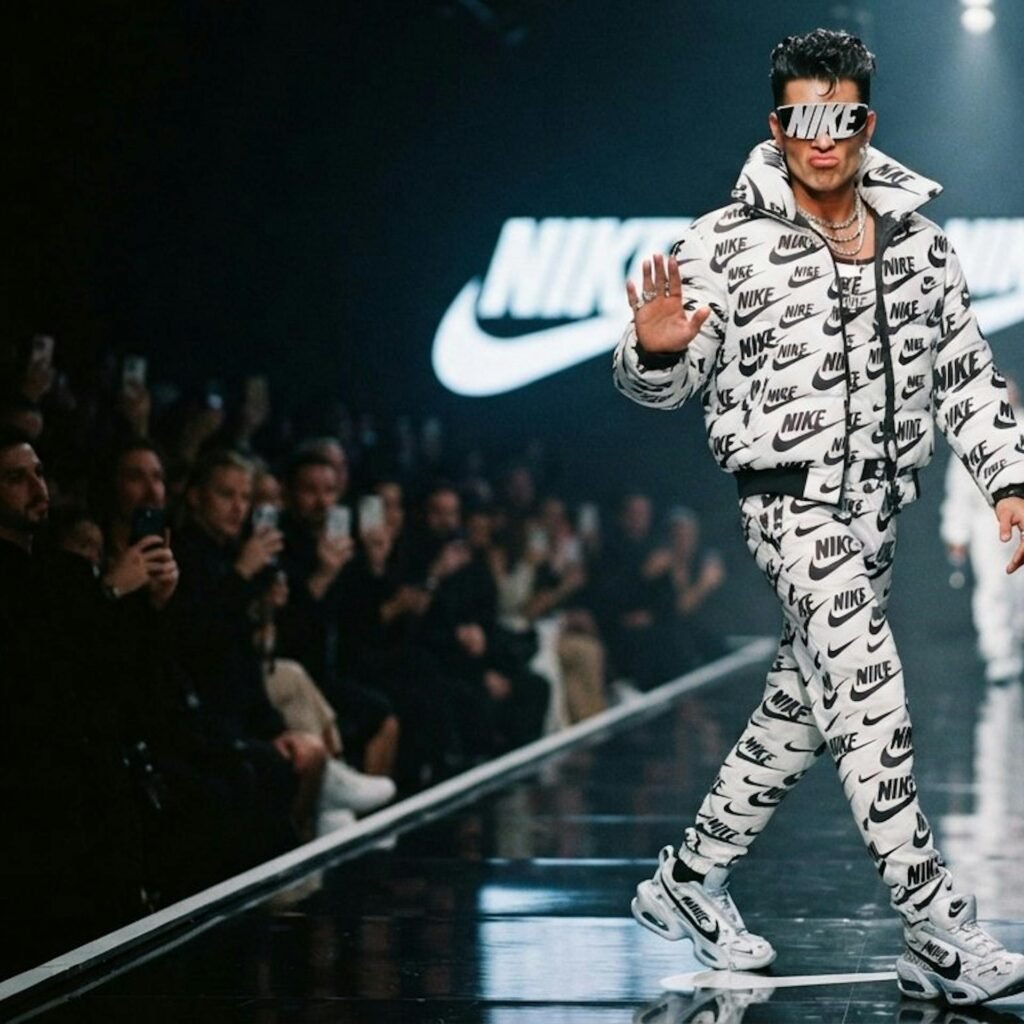
‘Gen Z Zoolander’
The visual language of the launch, Strauss argues, tells its own story. He describes Nike’s promotional photos — featuring young, diverse models with varied hairstyles “glumly sporting this supposed garb of the future” — as resembling “supercilious Gen Z Zoolander.” In his view, the images don’t look like what an actual sports company would produce for actual sports fans. They look, he writes, like “attire for sullen fashionista catwalks” rather than clothing for happy jocks.
His anecdotal evidence cuts against the idea that kids are clamoring for novelty. The most commonly worn jersey at his child’s school, he notes, is the classic Steph Curry model in standard blue and gold — the minimalist uniforms most associated with Curry himself. He’s skeptical of the premise that children are disappointed when they receive a traditional jersey rather than a darkened, shimmering alternative. To object to classic Warriors colors, he writes, would be like being upset that you were given a dapple-gray pony instead of a chestnut one.
The column also pushes back on the assumption that NBA teams are enthusiastic partners in Nike’s design experiments. According to Strauss, the team sources he speaks with are “sick of Nike’s constant tinkering” and the demands that their franchises sport increasingly bizarre designs. Those sources, he says, are tired of Nike’s decisions being transposed onto brands the teams are trying to protect. They’re also frustrated by what he describes as confusing protocols governing which jerseys get worn and when.

In theory, Strauss writes, Nike and NBA teams exchange design ideas in a back-and-forth. In practice, he says teams describe a process dominated by Nike rules and dictation. Meanwhile, the league office appears indifferent to the aggravations and brand concerns, he suggests, so long as the sponsorship checks clear.
A Broader Corporate Diagnosis
Strauss is careful to separate the uniform controversy from the more commonly cited explanation for Nike’s struggles: its failed “direct-to-consumer” strategy, in which the company pulled back from retailers. That misstep, he acknowledges, is a huge and tangible reason for the company’s decline. But he argues it’s a mistake for financial pundits — particularly those eager to avoid cultural controversy — to lean entirely on that functional explanation. Something deeper, he contends, is wrong with Nike’s corporate culture beyond strategic choices.
He traces that cultural shift, in part, to a 2018 New York Times report detailing what the paper described as a middle-up “revolt” inside Nike, driven by women who had had enough of an “environment that had turned toxic.” That internal pressure led to multiple high-profile ousters of male executives, including Trevor Edwards, the CEO heir-apparent, who was undone by #MeToo transgressions. Strauss notes he isn’t defending Edwards’ conduct. His observation is that Nike, shocked by the scandal, made what he characterizes as a guilt-ridden effort to change course with new management hires — and that the attempted excision of the bad appears to have been a botched surgery.

The result, in his telling, is that Nike “ceased to be a male-oriented sports company” and shifted into becoming a fashion company. Sports fans like sports, he writes. They don’t necessarily like fashion for its own sake.
Nike and the NBA’s Diverging Fortunes
The column also sets up a contrast between the two partners’ current trajectories. As recently as April, Strauss notes, a UBS report theorized that Nike had been hurt by a decline in NBA star power. That may have been a plausible reading of the recent past, he writes, but following a strong NBA Finals, the league under Adam Silver looks to be in far better health than its major partner. The NBA can boast about commanding a TV rights price that embarrasses the NFL, he writes, while Nike can boast about once having been listed in the S&P 100.
Strauss frames the uniform saga as a customer-relations problem more than a design problem. The people running Nike, he argues, refuse to accept that sports fans like what they like. Instead of bending to customer preference, he writes, the company keeps trying to appoint a new customer — and the Specter Edition jerseys are just the latest installment in a long line of designs foisted on NBA teams.
Source: www.dailywire.com — https://www.dailywire.com/news/nike-goes-full-gen-z-zoolander-commits-cultural-suicide