
A Philadelphia School District teacher who presented herself as a Black Palestinian and wore a keffiyeh while lecturing others on Palestinian oppression has been outed as a poser, according to American Thinker. The revelation was reportedly made by members of the Racial Justice Organizing Committee and Philly Educators for Palestine, two activist groups who apparently took issue with the teacher’s claims.
The teacher, identified as Hannah Gann, is neither Palestinian nor Black, according to the report. She used makeup to appear Blackish, and is in fact a white Jewish woman whose family, in the article’s framing, would be described as settlers. The details of how the groups confirmed her background are not specified in the source account.
A Pattern of Pretend
American Thinker’s Armando Simon, writing in an October 4, 2026 opinion piece, argues that Gann’s case is not an isolated incident but the latest example of a broader phenomenon: people — always liberal women, in Simon’s telling — passing themselves off as members of minority groups to gain social and professional standing.
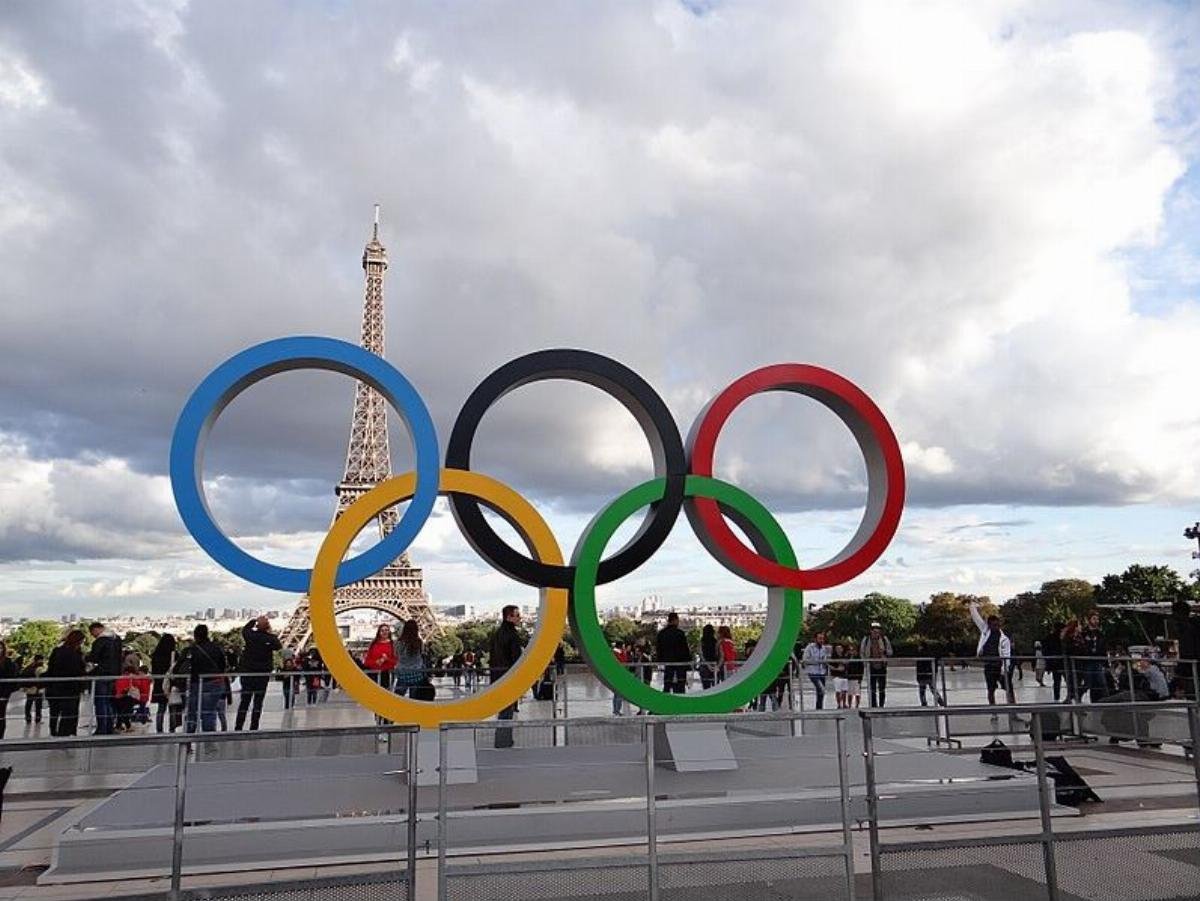
Simon calls this competition the “Oppression Olympics,” or alternatively the “minority totem pole,” in which Black and Palestinian identities are currently jockeying for top position. Gann, he suggests, simply decided to claim both.
The piece notes an inherent contradiction: the same cultural forces that loudly decry “institutionalized racism” and “systemic racism” seem to produce a steady stream of people eager to be classified as oppressed. Simon’s explanation is blunt — liberals, in his view, are devoid of self-reflection.
A Long Roster of Fakes
Rather than provide an exhaustive list, Simon cites several prominent cases as reminders:
Senator Elizabeth Warren, whom he nicknames “Pocahontas,” claimed Native American heritage despite what he describes as blonde hair and blue eyes. Simon notes he has seen many similar cases in Washington State of what he calls neurotic blue-eyed blondes passing themselves off as Indians.
Georgetown professor Jessica A. Krug cosplayed as Black. Nkechi Amare Diallo — formerly Rachel Anne Dolezal — led an NAACP chapter while presenting herself as Black, a deception Simon says extended to her name and hair. She ultimately committed welfare fraud after getting too caught up in her alter ego.
Elizabeth Hoover, a UC Berkeley professor, was found to be a fake Native American. Simon quotes reporting on the case noting that Hoover “spent her entire career using her false claim of being descended from the Mohawk and Mi’kmaq peoples of eastern Canada and the United States to excel in academia,” winning jobs, grants, fellowships, and a prominent role in the food sovereignty movement. Simon’s commentary on this is sardonic: “It’s a terrible thing to be discriminated against. So many doors are shut to you.”
He also invokes Sacheen Littlefeather, the woman who appeared at the Academy Awards on behalf of Marlon Brando, whom he says was not Native American. He mentions Heather Rae Bybee as another Hollywood example, and Raquel Saraswati — born Rachel Elizabeth Seidel — who claimed Arab identity, was outed by her own mother as white, and lost her role as chief equity and inclusion officer for the American Friends Service Committee.
Buffy Sainte-Marie was expelled from the Order of Canada for not being indigenous as she had claimed. Simon’s wry observation: at least she didn’t claim to be a vampire slayer.
The piece also touches on publishing, noting that authors who claim minority status find doors opening. Erika Wurth claimed Native American identity and got her book published.
The Neurotic Connection
Simon concedes he could go on, but says the pattern should by now be obvious: being classified as a minority carries real advantages, particularly for liberals. He also highlights what he sees as a gender pattern — the majority of people cosplaying as Black, Native American, or Jewish are liberal women — and cites research he claims confirms that liberal women are profoundly neurotic.
The article does not detail the specific research Simon references, nor does it provide the mechanism by which the activist groups confirmed Gann’s identity. The Philadelphia School District has not issued a public statement in the source material.
What It Says About Incentives
Beneath the sarcasm, Simon’s argument is about incentives. If minority status opens doors in academia, publishing, activism, and institutional DEI roles, then the rational move — for those lacking scruples — is to claim it. The fact that so many have done so, and that some have built entire careers on false identities, suggests the incentives are powerful indeed.
Whether Gann’s case follows the same arc as Dolezal or Hoover — formal investigations, lost positions, public disgrace — remains to be seen. What is clear is that the groups who exposed her were not political opponents but fellow travelers in racial justice and Palestine advocacy work. That detail may be the most telling of all.
The episode also raises uncomfortable questions for institutions that have built elaborate systems around identity. If identity is self-declared and socially rewarded, verification becomes awkward at best and politically fraught at worst. The people best positioned to catch impostors are often those with the most to lose from doing so.
For now, Hannah Gann joins a growing roster of names that Simon and others cite as evidence of a curious cultural moment — one in which the most coveted status is that of the oppressed, and the competition to claim it shows no sign of slowing.
Source: www.americanthinker.com — https://www.americanthinker.com/blog/2026/10/oh-the-joys-of-being-in-the-oppression-olympics/