
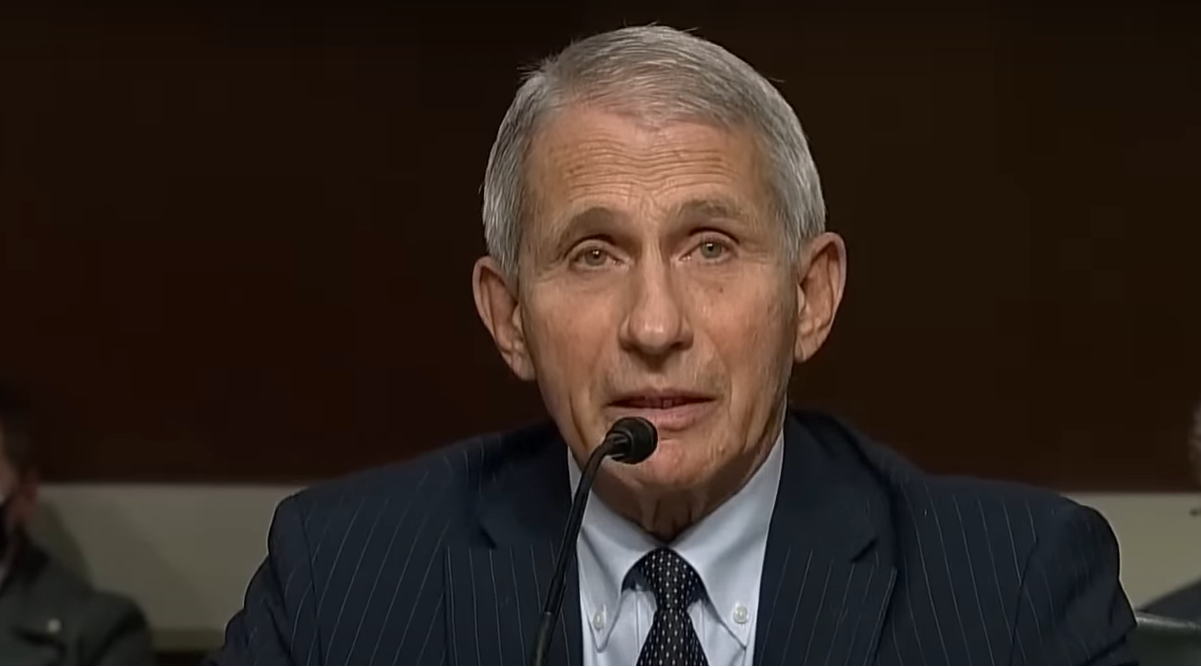
Documents released by Senator Rand Paul in recent days have thrust the question of accountability for the federal government’s COVID-19 response back into the political spotlight, focusing attention on Dr. Anthony Fauci’s upcoming testimony before the Senate Homeland Security and Government Affairs Committee scheduled for Wednesday.
The release includes portions of Fauci’s personal diary and emails from his tenure as director of the National Institute of Allergy and Infectious Diseases. According to The Federalist, these materials reveal what critics characterize as inconsistencies between Fauci’s public statements and private communications regarding the origins of COVID-19 and U.S. government funding for virus research in China.
The Gain-of-Function Research Question
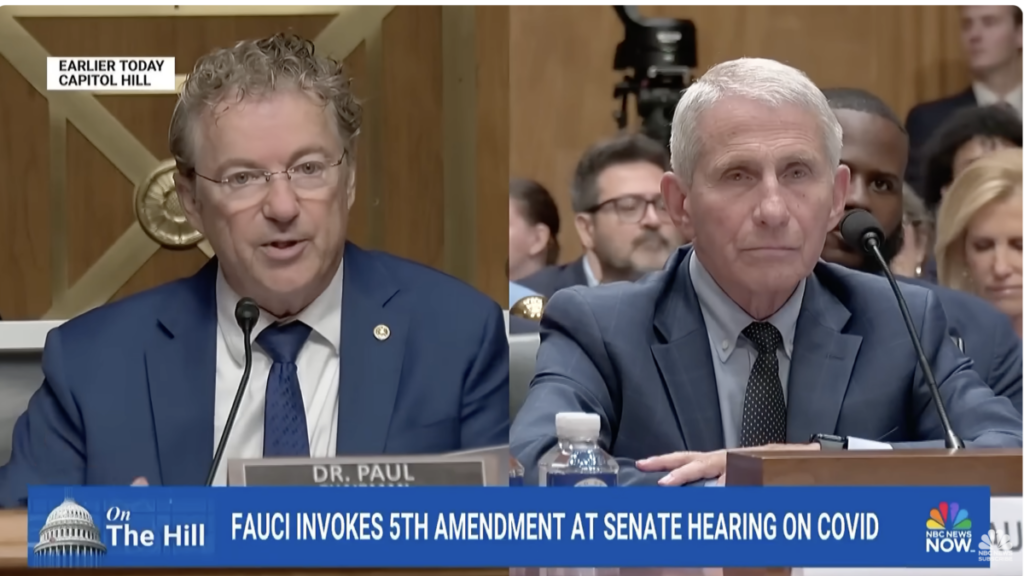
At the center of the controversy are Fauci’s past congressional testimonies regarding whether the National Institutes of Health funded gain-of-function research at the Wuhan Institute of Virology. During a May 2021 Senate hearing, Fauci told Senator Paul, “The NIH has not ever and does not now fund gain-of-function research in the Wuhan Institute of Virology.” At a follow-up hearing two months later, Fauci pointed at Paul and said, “if anybody’s lying here, senator, it is you.”
However, according to the newly released diary entries, Fauci’s own notes from a February 1, 2020 conference call reference “GOF” (gain-of-function) research occurring at the Wuhan facility. The notes reportedly describe discussions among scientists about “Dr. Zheng Li-She at the University of Wuhan” working “for years in GOF in coronaviruses to allow adaptation of the spike protein to bind to the human ACE2 receptor.”
Fauci has maintained that his congressional testimony was accurate based on a narrow technical definition of gain-of-function research formalized by the White House Office of Science and Technology Policy in January 2017. Critics argue this definition was established years after the Wuhan research had already begun.
The “Proximal Origins” Paper Controversy
The diary entries also shed new light on the origins of an influential scientific paper published in Nature Medicine in March 2020. That paper, titled “The Proximal Origin of SARS-CoV-2,” concluded that “SARS-CoV-2 is not a laboratory construct or a purposefully manipulated virus” and stated that “any type of laboratory-based scenario” was implausible.
According to The Federalist’s review of Fauci’s diary, notes from the February 1, 2020 conference call indicate that among the dozen scientists participating, ten believed that “deliberate insertion was possible” — referring to the possibility that the virus’s spike protein could have been inserted in a laboratory setting. Only two scientists on the call initially favored a natural, zoonotic origin.
Fauci later cited the “proximal origins” paper as independent scientific evidence to dismiss the lab-leak hypothesis as a conspiracy theory, but did not publicly disclose his role in convening the scientists who authored it.
Legal and Political Implications
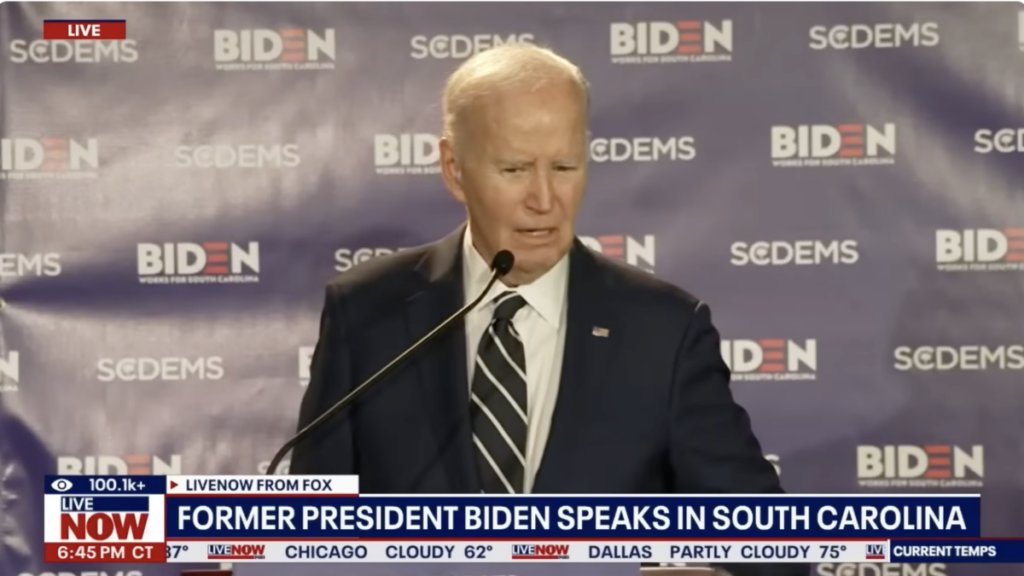
The timing of Wednesday’s hearing carries particular significance because Fauci received a preemptive pardon from President Joe Biden on his final day in office in January 2025. That pardon covered potential federal crimes dating back to 2014, reportedly dissuading the Trump Justice Department from pursuing perjury charges related to Fauci’s previous congressional testimony.
According to The Federalist, the statute of limitations for those potential crimes expired on May 11 of this year. However, Republican lawmakers have indicated that the Biden pardon would not protect Fauci from prosecution if he commits perjury during Wednesday’s testimony.
The hearing comes amid ongoing legal proceedings related to COVID-19 research funding. In May, the Justice Department indicted David Morens, a former senior advisor to Fauci, on charges including conspiring against the United States and destroying records related to COVID-19’s onset. The indictment describes an unnamed co-conspirator — widely believed to be EcoHealth Alliance CEO Peter Daszak — who allegedly worked with Morens to restore a canceled NIH grant for bat coronavirus research at the Wuhan institute.
Broader Questions About Government Trust
The controversy extends beyond Fauci’s individual statements to encompass larger questions about the federal government’s pandemic response. Critics have pointed to what they characterize as a pattern of official statements that later proved questionable, ranging from initial guidance on mask-wearing to changing positions on vaccine effectiveness and the wisdom of school closures.
Senator Paul, a longtime Fauci critic, has positioned Wednesday’s hearing as an opportunity to press the former NIAID director on these inconsistencies. The Kentucky Republican has been investigating the origins of COVID-19 and U.S. involvement in virus research in China since the early days of the pandemic.
The debate over accountability for the pandemic response has divided along largely partisan lines, with Republicans generally calling for formal investigations and potential prosecutions while many Democrats have defended the actions of public health officials operating under unprecedented circumstances.
Some commentators have called for what they term a “COVID amnesty,” arguing that pandemic decision-makers should not be harshly judged for choices made amid rapidly evolving scientific understanding and genuine public health emergencies. Others contend that without accountability, public trust in government institutions cannot be restored.
Wednesday’s Senate hearing will likely draw significant attention as lawmakers question Fauci about the newly released documents and his previous testimony. Whether his responses will differ from his past statements — and whether any differences could lead to legal consequences — remains to be seen.
Source: thefederalist.com — https://thefederalist.com/2026/07/29/unless-fauci-is-held-accountable-america-will-never-recover-from-his-lies/