
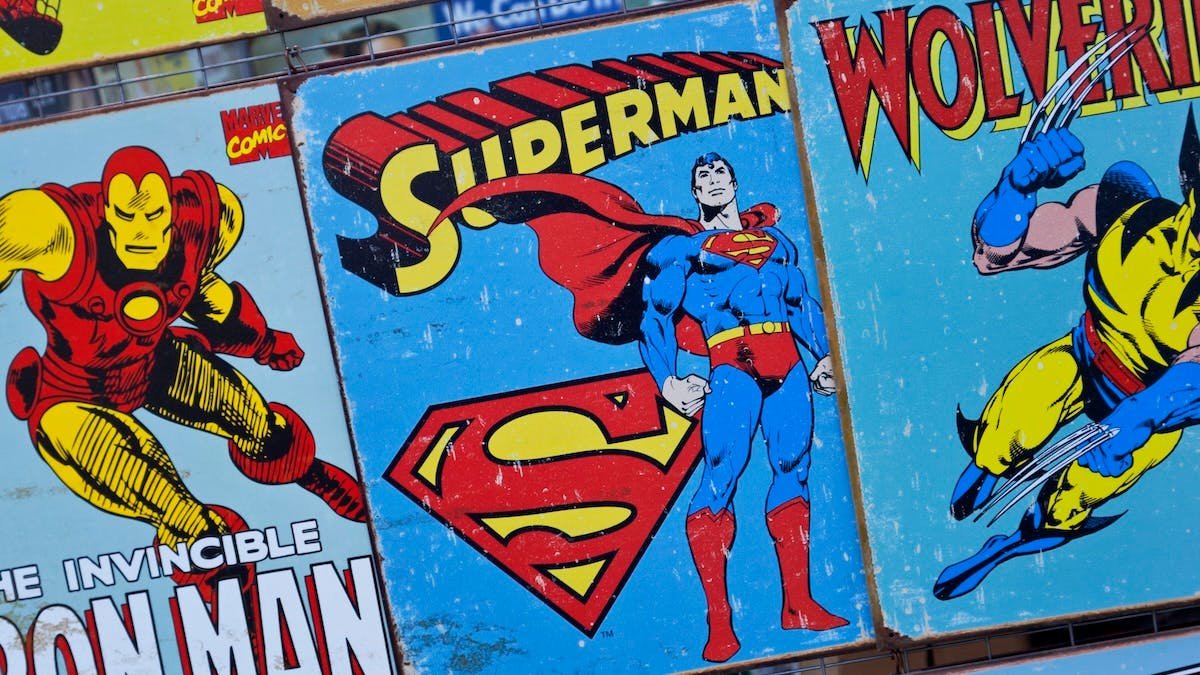
It’s official: American moviegoers have superhero fatigue. After a decade of dominance, the genre that once raked in billions is now struggling to fill seats. Marvel’s August announcement of yet another ‘X-Men’ reboot, a second Vision series, and an ‘Endgame’ re-release was met with eye rolls rather than excitement, with fans criticizing the studio for rehashing the same characters and plotlines.
The numbers tell the story. During the 2010s heyday, superhero films generated between $6 billion and $8 billion annually. By 2025, the genre hit its worst performance since 2011. The Marvel Cinematic Universe, which seemed unstoppable after ‘Avengers: Endgame’ crossed the billion-dollar mark, has seen its cultural grip loosen in the 2020s.
The Rise and Fall of the Cinematic Universe
Part of the problem, according to industry observers, is the sheer weight of the cinematic universe model. Audiences are expected to watch dozens of interconnected films to understand character relationships and ongoing plots. For many, that homework became too much. Others simply found the narrative formula stale, with each movie following a similar arc from opening action sequence to climactic showdown.
There were also complaints about the heroes themselves. Marvel and DC, forced to reach deeper into their archives for fresh faces, delivered characters that didn’t resonate. Conversely, some fans were tired of seeing the same actors pop up in new roles—Robert Downey Jr., who defined Iron Man in 2008, returned in 2025 to play Dr. Doom, a move that felt more like stunt casting than storytelling.
When Heroes Became Gray
Beneath these complaints lies a deeper issue: Hollywood’s decision to gray up its heroes. The superhero boom of the 2000s and 2010s was built on humanizing larger-than-life figures. Tony Stark’s billionaire-playboy attitude gave him an oddly relatable edge. Every Spider-Man iteration, from Tobey Maguire to Tom Holland, dealt with the tension between power and responsibility—getting the girl, keeping grades up, saving the city. Even Star-Lord and Doctor Strange were jerks, and by ‘Captain America: Civil War’ in 2016, the all-American hero’s ethics were up for debate.
But as heroes became more flawed, villains became more sympathetic. Loki, the primary adversary in ‘The Avengers,’ was given a redemptive arc that left audiences wondering if his attempt to take over Earth was really so bad. Killmonger in ‘Black Panther’ was described by actor Michael B. Jordan as ‘strategic, thoughtful, patient.’ Even Thanos—the genocidal Mad Titan—had his planet-annihilating plan justified by a resource-redistribution logic that felt almost Marxist.

The Subversion That Backfired
This subversive storytelling was initially fresh. Christopher Nolan’s ‘Dark Knight’ trilogy did something similar in the mid-2000s, earning billions and critical acclaim. Studios concluded that audiences were tired of the old good-versus-evil trope. For a while, that was true. But the endless blurring of lines between hero and villain eventually became its own cliché.
The 2020s have been brutal for the genre. 2023’s ‘The Marvels’ was a certified box office bomb, reportedly losing $237 million. ‘Black Widow’ (2021) failed to cover its production costs, and ‘The Eternals’ (also 2021) lost Disney an estimated $50-$60 million. Sony’s 2024 disaster ‘Madame Web’ cost the studio up to $100 million. Each of these films followed the now decade-old trend of spotlighting flawed heroes and finding the good in every villain.
Why Good vs. Evil Endures
Audiences are naturally drawn to clear narratives of good versus evil. During World War II, stories about brave American soldiers were wildly popular. Midcentury westerns—cowboys versus bank robbers—dominated. In the 1970s, ‘Jaws’ and ‘Star Wars’ showed the power of good triumphing over evil. The inversion of traditional heroism began to appear in the late 1960s with ‘Bonnie and Clyde,’ which made criminals look cool and romantic. It was groundbreaking then, but nearly five decades later, it’s become the blueprint—and it’s worn out its welcome.

Superhero movies matter, the argument goes, because humans need to believe in something good and true worth striving toward. When stories repeatedly tell audiences that goodness and success are out of reach, it’s demoralizing. This resonates with a generation in crisis: 67% of young men feel they have ‘no control’ over their lives, and nearly half of all Zoomers report mental health issues.
The genre’s defenders say it’s not just about entertainment—it’s about representation. Superhero films can inspire greatness by showing positive depictions of heroic men doing good things. They’re fun and often funny, but their greater purpose is to affirm that good will overcome evil. For a culture that feels powerless about its future, the need for that message may be greater than ever.
As studios scramble to reboot, re-release, and reinvent, the question remains whether they’ll heed the audience’s message: Give us heroes worth rooting for, villains worth booing, and stories where the line between right and wrong is clear enough to matter. Until then, the superhero genre may continue to fade, one multiverse twist at a time.
Source: www.dailywire.com — https://www.dailywire.com/news/how-hollywood-slop-and-morally-gray-villains-killed-the-superhero-genre