
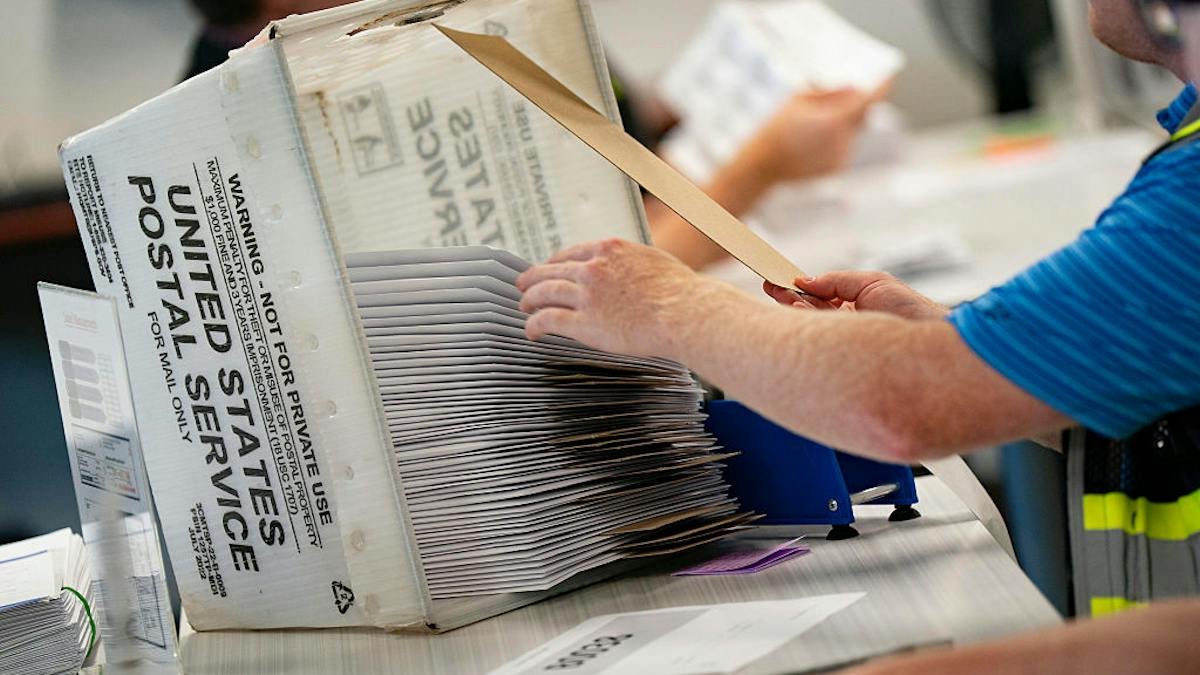
The Supreme Court on Monday night declined to let President Donald Trump’s new mail-ballot rules take effect before the November midterms, denying the administration’s request to suspend a lower court injunction that had blocked the Postal Service requirements. The unsigned 7-2 order leaves the rules on hold while the case proceeds through the courts, meaning states can continue mailing ballots under their existing procedures.
The justices concluded that the government was “unlikely to succeed on the merits of its challenge” to the injunction and had not met the other conditions required for emergency relief, according to the order.
What the Rules Would Have Required
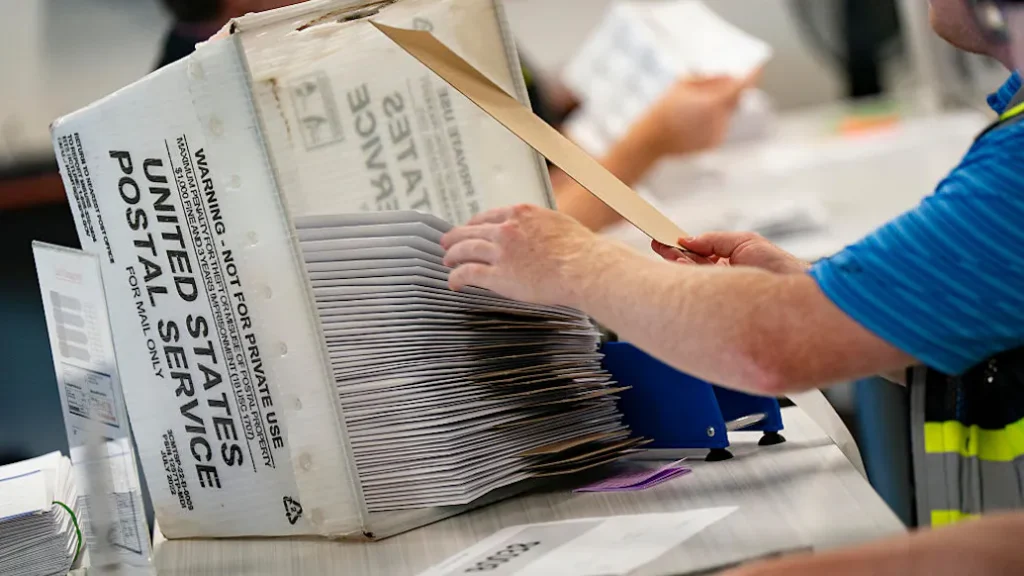
The Postal Service rule at issue would mandate that states use ballot envelopes bearing an election-mail logo, machine-scannable features, and a barcode unique to each voter. Under the plan, election officials would also need to submit envelope designs for federal approval and upload voters’ names and addresses to a government portal. The Postal Service would have the authority to reject noncompliant mailings and send them back to election officials.
The administration argued that the Postal Service possessed the legal authority to impose these requirements. Election officials countered that putting them in place just weeks before the midterms risked delaying or outright preventing the delivery of ballots. By the time the Supreme Court acted Monday, Alabama, North Carolina, and Wisconsin had already begun sending ballots to voters.

A Dispute That Returned to the High Court
This was not the first time the fight over the mail-ballot rule reached the Supreme Court. In August, the justices paused an earlier injunction issued by U.S. District Judge Indira Talwani, an Obama appointee, on the grounds that the states had filed suit before showing the Trump administration’s plan would cause them harm. At that stage, the Supreme Court stressed that it had not ruled on whether the plan itself was lawful.
After the Postal Service finalized its rule, the states returned with a renewed challenge. Talwani then issued a preliminary injunction, writing that states were “unable to pivot this late in the election cycle” without risking the disenfranchisement of voters.

Justice Brett Kavanaugh agreed that the rule should stay blocked through the midterms, though he indicated there was “at least a fair prospect” that it fell within the Postal Service’s authority. He reasoned that applying it during the 2026 elections would be “arbitrary and capricious” because officials lacked enough time to carry it out.
Justices Samuel Alito and Clarence Thomas dissented, maintaining that the administration had satisfied the requirements for a stay.
Monday’s decision does not permanently strike down the rule. But it effectively ensures the requirements will not be used in this year’s elections, leaving the legal question of the Postal Service’s authority over ballot envelopes unresolved for now.
Source: www.dailywire.com — https://www.dailywire.com/news/supreme-court-slams-brakes-on-trumps-mail-ballot-plan