

Across America, data centers have become the new battleground in local politics. From Virginia to Oregon, communities are pushing back against these sprawling facilities over concerns about electricity use, water consumption, and neighborhood impacts. But as the debate grows increasingly polarized, a Pennsylvania case reveals what happens when evidence—not emotion—drives the decision-making.
The Starpointe Test Case
In Washington County, Pennsylvania, Prime Data Centers’ proposal for a 1.8-million-square-foot complex has become a litmus test for how communities might evaluate such projects. Unlike the blanket moratoriums gaining traction elsewhere, Hanover Township is using its existing conditional-use zoning process—a mechanism that examines specific proposals rather than rejecting an entire industry outright.
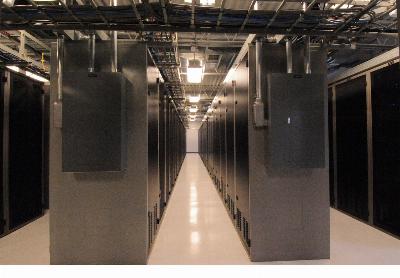
Residents have raised legitimate concerns: Will the natural-gas-powered generators create excessive emissions? (The facility plans to go off-grid.) Will cooling systems drain local water supplies? (Closed-loop air chillers minimize usage.) Will noise exceed residential limits? (Projections show compliance, but real-world monitoring will be key.)
The Hidden Costs of ‘Not in My Backyard’
While opponents dominate headlines, the broader stakes often go unmentioned. Data centers underpin everything from AI development to financial systems—infrastructure that could determine whether the U.S. maintains its technological edge over China. As the article notes, ‘Artificial intelligence and advanced computing are increasingly important to industrial competitiveness, research, and national security.’
Yet the regulatory environment is pushing investments elsewhere. Pennsylvania Governor Josh Shapiro and bipartisan lawmakers have tried streamlining permitting, but local opposition—often fueled by vague fears rather than project-specific data—creates uncertainty that scares off developers.
A Blueprint for Balanced Growth
The Starpointe hearings offer a model: Let experts evaluate actual risks (like DEP-monitored emissions) while weighing tangible benefits (hundreds of skilled jobs, tax revenue from reclaimed mining land). As author Dave Ball—a retired engineer and former elected official—argues, conditional-use zoning provides this middle path: neither rubber-stamping projects nor banning them based on industry stereotypes.
The alternative? Knee-jerk restrictions that satisfy political expediency but cost communities jobs and tax revenue—all while pushing critical infrastructure to competitor nations. Before joining the anti-data center bandwagon, perhaps more towns should ask: Are we solving real problems or just feeling good about saying ‘no’?
Source: www.americanthinker.com — https://www.americanthinker.com/articles/2026/11/the-war-on-data-centers-we-don-t-need-to-fight/
Background and context
The latest developments around The Data Center Backlash: How Overregulation Could Stifle America’s Tech Future come amid a broader debate over opinion, institutional accountability, and the policy choices that shape everyday life. Understanding the immediate facts is only the first step; the wider impact depends on how officials, institutions, and the public respond in the days and weeks ahead.
FedFront’s coverage focuses on verifiable details, identifiable sources, and the practical consequences of political decisions. Readers should review official statements, primary documents, and court or agency records before drawing final conclusions about any disputed claims.
Why it matters
Stories like this can influence legislation, regulatory enforcement, public trust, and the balance of power between government institutions. Even when the immediate headline fades, the underlying policy, legal, or political questions often continue to shape future decisions.
What to watch next
- Official responses, statements, or policy changes
- Legislative, regulatory, or court action
- Follow-up reporting and independent verification
- Public reaction and broader political fallout
FedFront will continue monitoring this story and update coverage as new information becomes available.
Source: www.americanthinker.com
Related coverage
- European Cities Erupt: Weekend Riots Prompt Nuclear Weapons Concern
- American Thinker Asks Whether Women Have ‘Agency’ After Clancy Mistrial and Cornell Case
- Democrats’ Hasan Piker ‘repudiation’ looks more like a hope he’ll vanish
- American Thinker Blames Trump’s Mouth, RINOs, and ‘Cheating’ for 2026 Midterm ‘Debacle’