
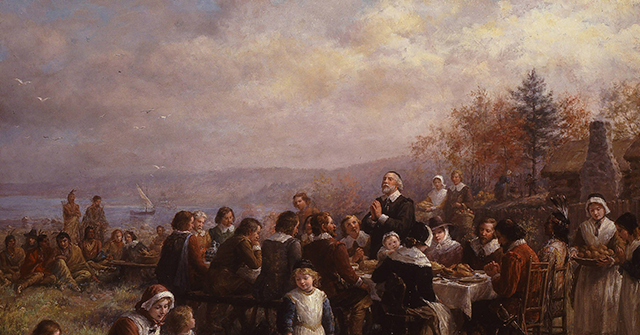
As Thanksgiving approaches, its significance extends beyond mere gratitude. The roots of this cherished holiday hark back to medieval England, where harvest feasts were a response to tight labor markets. According to a report from Breitbart, these early celebrations were more than just generous gestures; they were essential to ensuring a reliable workforce.
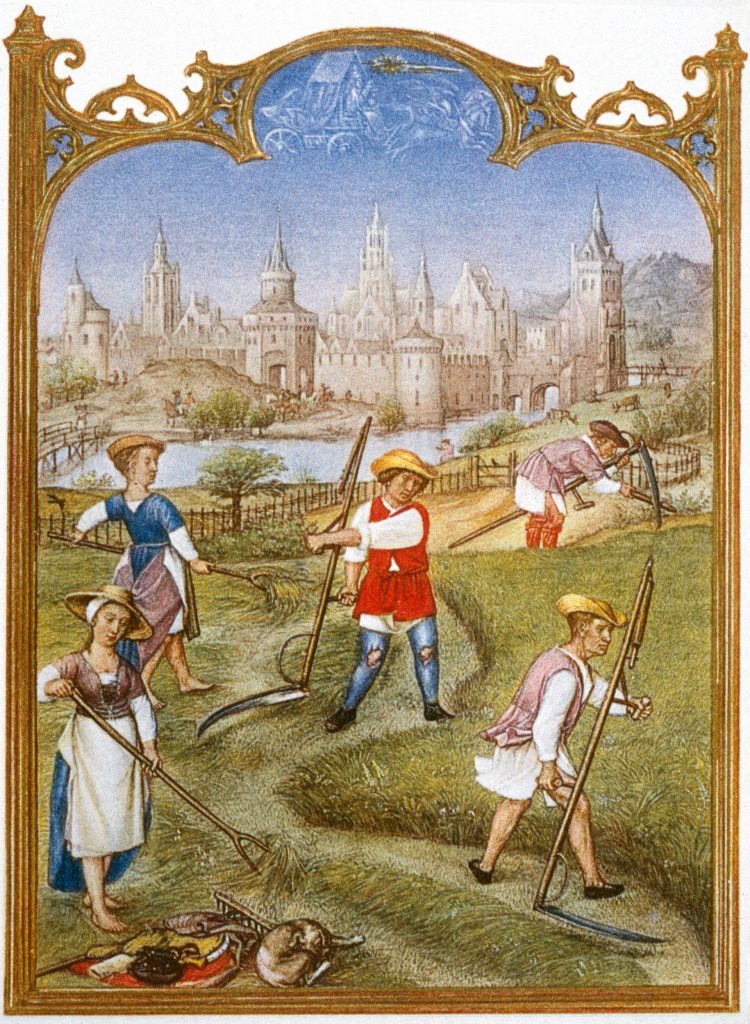
In medieval England, landowners held harvest feasts to reward their laborers after a season of grueling work. During these gatherings, tables groaned under the weight of meats and ale, providing not just a celebration but a form of compensation at a time when cash was scarce. Historical records from Morden Manor in the late 13th century reveal that harvest festivities featured a staple dish of goose and were attended by workers who played crucial roles in bringing in the crops.
The Evolution of Harvest Feasts
The tradition of gathering to celebrate the end of the harvest evolved over centuries. By the 17th century, the English settlers in Plymouth embraced these customs, famously commemorating their own harvest in 1621 with feasting alongside local Wampanoag tribes. This event is often remembered as America’s first Thanksgiving.
Historian Christopher Dyer noted that rising labor competition in the wake of the Black Death led to employers desperately trying to retain harvest workers by increasing their wages and enhancing their food provisions. As detailed in Dyer’s study, meat became a significantly larger component of workers’ rations from the 14th century onward, reflecting an early form of the employer-employee relationship that emphasized gratitude through tangible rewards.
Modern Labor Markets and Policy Changes
Fast forward to the present, and the labor market dynamics are again influencing American traditions. The current U.S. policy landscape, especially under the Trump administration, signals a shift towards limiting immigration to boost labor market conditions for American workers. Vice President JD Vance has lauded these changes, suggesting that restricting employment-based visas ensures workers can demand better wages and conditions.
Critics, however, position these policies as nativist, arguing against the notion that limiting immigration could help American workers. Yet, research indicates that an influx of immigrant labor can suppress wages, especially for those already working in similar jobs. A study by Gianmarco Ottaviano and Giovanni Peri found that immigration from 1990 to 2006 reduced the wages of earlier immigrants by about six percent by creating a surplus labor pool.
Thanksgiving as a Reflection of Labor Dynamics
This Thanksgiving, as Americans gather to enjoy their feasts, it’s worth reflecting on the historical significance of these traditions. The feasts were incentives for laborers, and that notion persists today as labor markets tighten. Acknowledging the role of workers in producing a bountiful harvest connects the past with the present, highlighting how policy decisions shape the economic landscape and the lives of those who contribute to it.
The story of Thanksgiving serves as a reminder that the relationship between labor and gratitude has deep roots, and current policies aim to reestablish a balance where American workers are valued for their contributions.
Source: www.breitbart.com — https://www.breitbart.com/economy/2026/11/25/breitbart-business-digest-tight-labor-markets-and-the-secret-origin-of-thanksgiving/
Source: www.breitbart.com
Related coverage
- FAA Stuck in the ’80s: Transport Chief Demands Emergency Funds for Outdated Tech
- Dem Rep.-elect Ojeda Pushes Trump Investigations Over Impeachment: ‘Show the American People the Evidence’
- Zelensky Tells Russian Reporter He’ll Reach Moscow ‘On a Missile, Blyat’
- Why Hollywood Can’t Replace Dolly Parton, Tim Curry, or Peter Cullen