
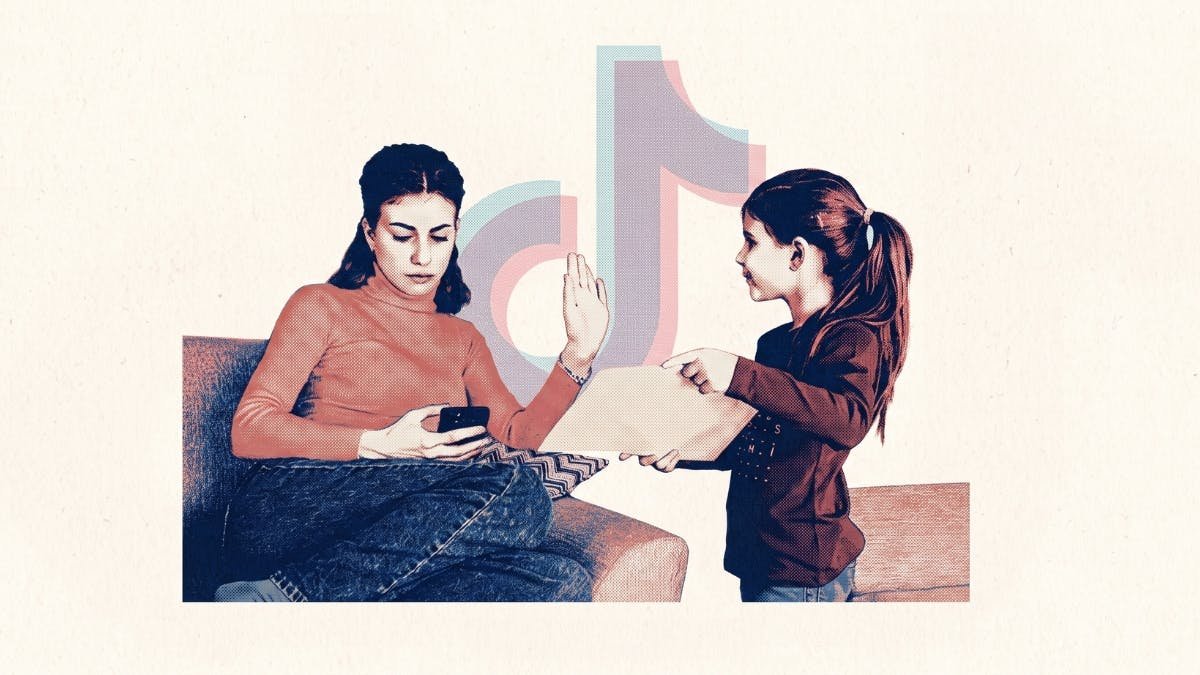
The Lindsay Clancy case has dragged a grim corner of the internet into the spotlight: the thriving genre of parents—mostly mothers—who openly, bitterly resent their own children. In a new column for The Daily Wire, the outlet’s Matt Walsh (author of the piece, as attributed) argues that this content is not just ugly but dangerous, and he has sharp words for the women who produce and consume it.
Walsh, writing under the headline “It’s Time To Mansplain Parenting To TikTok Moms Who Resent Their Own Kids,” says the Clancy case—in which a mother was charged with killing her three children—has exposed a “dark side of TikTok” that is really just the platform’s entire nature. But he extends the critique beyond any single app, calling out a wider culture that, in his view, encourages parents to wallow in resentment rather than act out of love.
“Over the last few weeks we’ve said a lot about Clancy’s fan club—a group of women all as repulsive on the inside as they are on the outside, and unanimously deserving of having their custody and voting rights rescinded,” Walsh writes, using deliberately provocative language. He reserves particular scorn for those who defend Clancy not by denying her guilt, but by saying they “understand” her—a statement Walsh interprets as an admission that they too loathe their children and have contemplated violence.
“By their own admission, that means they loathe and resent their own children, and have considered, or would consider, murder as a potential remedy,” he writes. “That is the only thing a mother can mean when she says she sees herself in a woman who systematically executed her family.”
The ‘Regretful Parent’ Corner of the Internet
Walsh points to a vast ecosystem of content where parents vent their frustrations: TikTok videos, Reddit forums, Facebook groups, and even mainstream publications like Time and the CBC, which have run essays on parents who regret having children. He cites a Reddit community for “regretful parents” that he says has hundreds of thousands of active users and tens of thousands of weekly visitors.
He offers examples from that forum, including a post titled “I hate being a mother,” in which a woman says she hates being home with her kids, hates her husband, and wants to leave. Another poster, he says, bragged about giving up custody of her five-year-old son and feeling “free.” A third described life with a seven-year-old as “hell on earth.”
“These are just a few posts from this week, and I chose the more cheerful varieties,” Walsh writes. “It gets much worse.”
He likens the phenomenon to an “orgy of self-pity,” a perpetual-motion machine where influencers complain, commenters validate them (and themselves), and the cycle continues. The comments that say ‘You’re so brave’ or ‘Thank you for your honesty,’ Walsh argues, are really affirmations the commenters direct at themselves.
Advice for the Resentful: Keep It Private
Walsh’s prescription is blunt: don’t air your resentment online. “Here’s what to do with your resentment toward your children. First: don’t talk about it in public, especially not in a forum that puts your feelings on the permanent record, immortalized so that anyone—including your children, sooner than you think—can read them,” he writes.
He acknowledges that some parents genuinely struggle, but insists that internet strangers cannot help. “A stranger watching your video can do nothing for you,” he says, calling internet support “an emotional Band-Aid at best” and comparing it to a prescription painkiller that becomes addictive without solving the underlying problem.

He also warns of the backlash effect: the rude comments that inevitably arrive land harder than the supportive ones, leaving the poster more desperate and more vulnerable. “Before you know it, you’re being clipped and featured on podcasts by notorious right-wing bullies like me,” he adds, with a nod to his own reputation.
A Cultural Contagion
The column argues that this content has corrosive effects beyond individual families. Walsh says young people absorb the demoralization, marriage rates drop, and in the worst cases, as he suspects with Clancy, the material can feed violent impulses. He writes that he would “bet every dollar” that Clancy spent time on such forums and watched such videos before the alleged murders.
“This spectacle does not merely describe the misery these people are feeling. It encourages it and spreads it like a virus,” he writes.
For Walsh, the solution is almost old-fashioned: act as if you love your family and your station in life, and let the feelings follow. “Act as if you love your family, your children, and your station in life. Let the feelings follow, as they probably will,” he writes near the top of the piece.
It’s a message that will resonate with some readers and infuriate others—but it’s sure to keep the conversation about parenting, resentment, and the internet going.
Source: www.dailywire.com — https://www.dailywire.com/news/its-time-to-mansplain-parenting-to-tiktok-moms-who-resent-their-own-kids