
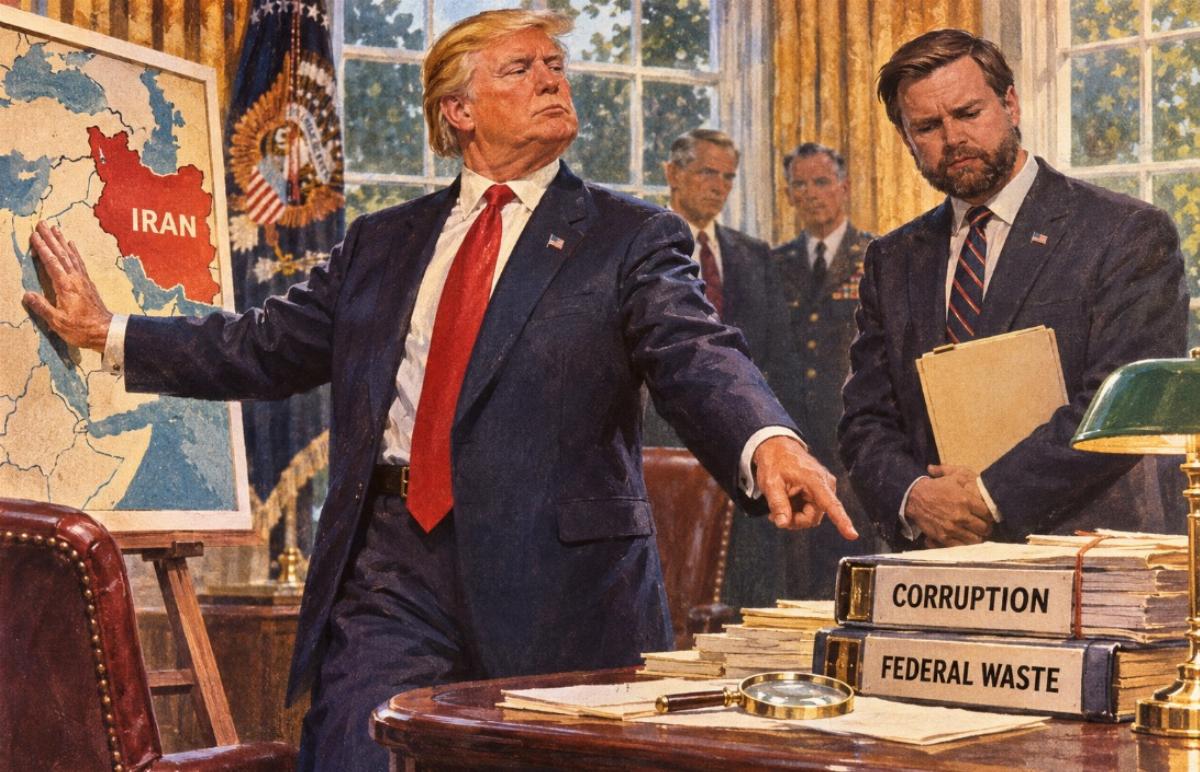
Vice President JD Vance has been quietly but decisively removed from his role overseeing U.S. negotiations with Iran, marking a significant demotion for the once-rising Republican star and fueling speculation about his political future. The move comes just days after Vance blamed Israel and the Iran conflict for Republican midterm losses in a controversial tweet that reportedly blindsided the White House.
The Tweet That Changed Everything
On November 4, the day after Democrats outperformed expectations in midterm elections, Vance took to social media to share an unvetted analysis from an unnamed pollster. The thread claimed Israel had undue influence over U.S. foreign policy, that the Iran war drove inflation, and that these factors cost Republicans at the polls. The message echoed talking points from Tucker Carlson’s increasingly isolationist commentary — and directly contradicted the Trump administration’s public stance.
While President Trump had acknowledged the Iran conflict as a factor in the election results, he doubled down on the necessity of the campaign against a nuclear Iran. Vance’s decision to amplify more extreme critiques — without White House coordination — appears to have been the final straw.
From Diplomat to Demotion
Vance’s reassignment ends a troubled six-month chapter in U.S.-Iran relations. After initial military successes against Iran’s infrastructure in April, Trump appointed Vance to lead peace talks that were widely expected to yield a swift resolution. Instead, negotiations dragged on, allowing Iran to regroup while domestic frustration grew. Critics argue the prolonged talks became a political liability rather than demonstrating strength.
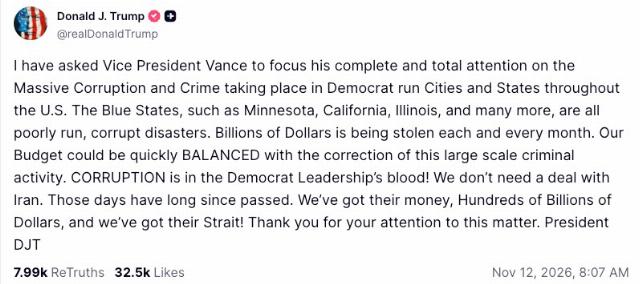
Now, Vance returns to his previous focus on rooting out corruption in blue-state spending — a safer, if less prestigious, portfolio. The administration insists this plays to his strengths, but the timing suggests punishment. Notably, Trump’s announcement emphasized that America no longer seeks a deal with Iran, signaling an end to Vance’s diplomatic approach.
The 2028 Calculus
The episode has immediate implications for Republican foreign policy, with Trump, Marco Rubio, and Pete Hegseth expected to take a harder line against Iran. But the larger shockwaves may hit the next presidential race.
Once seen as a top contender for the 2028 nomination, Vance now faces questions about his judgment and loyalty. His refusal to distance himself from Carlson’s inflammatory rhetoric has alienated both the GOP establishment and Trump himself. While Vance retains insider knowledge that could damage Trump if he chooses to retaliate, doing so would likely torpedo his own future in the party.
With Vance potentially sidelined, the 2028 field appears wide open. Rubio’s foreign policy credentials, Hegseth’s military background, and Ron DeSantis’ executive experience all position them as stronger alternatives — assuming Trump doesn’t seek the nomination himself. For Vance, the path forward now looks far narrower than it did just weeks ago.
Source: www.americanthinker.com — https://www.americanthinker.com/blog/2026/11/trump-sends-jd-vance-to-the-political-sideline/
Background and context
The latest developments around Trump Sidelines JD Vance After Midterm Blowback Over Iran Stance come amid a broader debate over opinion, institutional accountability, and the policy choices that shape everyday life. Understanding the immediate facts is only the first step; the wider impact depends on how officials, institutions, and the public respond in the days and weeks ahead.
FedFront’s coverage focuses on verifiable details, identifiable sources, and the practical consequences of political decisions. Readers should review official statements, primary documents, and court or agency records before drawing final conclusions about any disputed claims.
Why it matters
Stories like this can influence legislation, regulatory enforcement, public trust, and the balance of power between government institutions. Even when the immediate headline fades, the underlying policy, legal, or political questions often continue to shape future decisions.
What to watch next
- Official responses, statements, or policy changes
- Legislative, regulatory, or court action
- Follow-up reporting and independent verification
- Public reaction and broader political fallout
FedFront will continue monitoring this story and update coverage as new information becomes available.
Source: www.americanthinker.com
Related coverage
- American Thinker Says Mamdani’s Nkrumah Soccer Ball Celebrates the Wrong African Legacy
- Mamdani and AOC Caught Laughing at 9/11 Memorial as Victims’ Names Read
- Australian Think Tank Blogger Says Sudanese Refugee’s Father Was Warlord William Nyuon Bany
- From Guillotine to Gulag: How Utopian Certainty Becomes Political Slaughter