
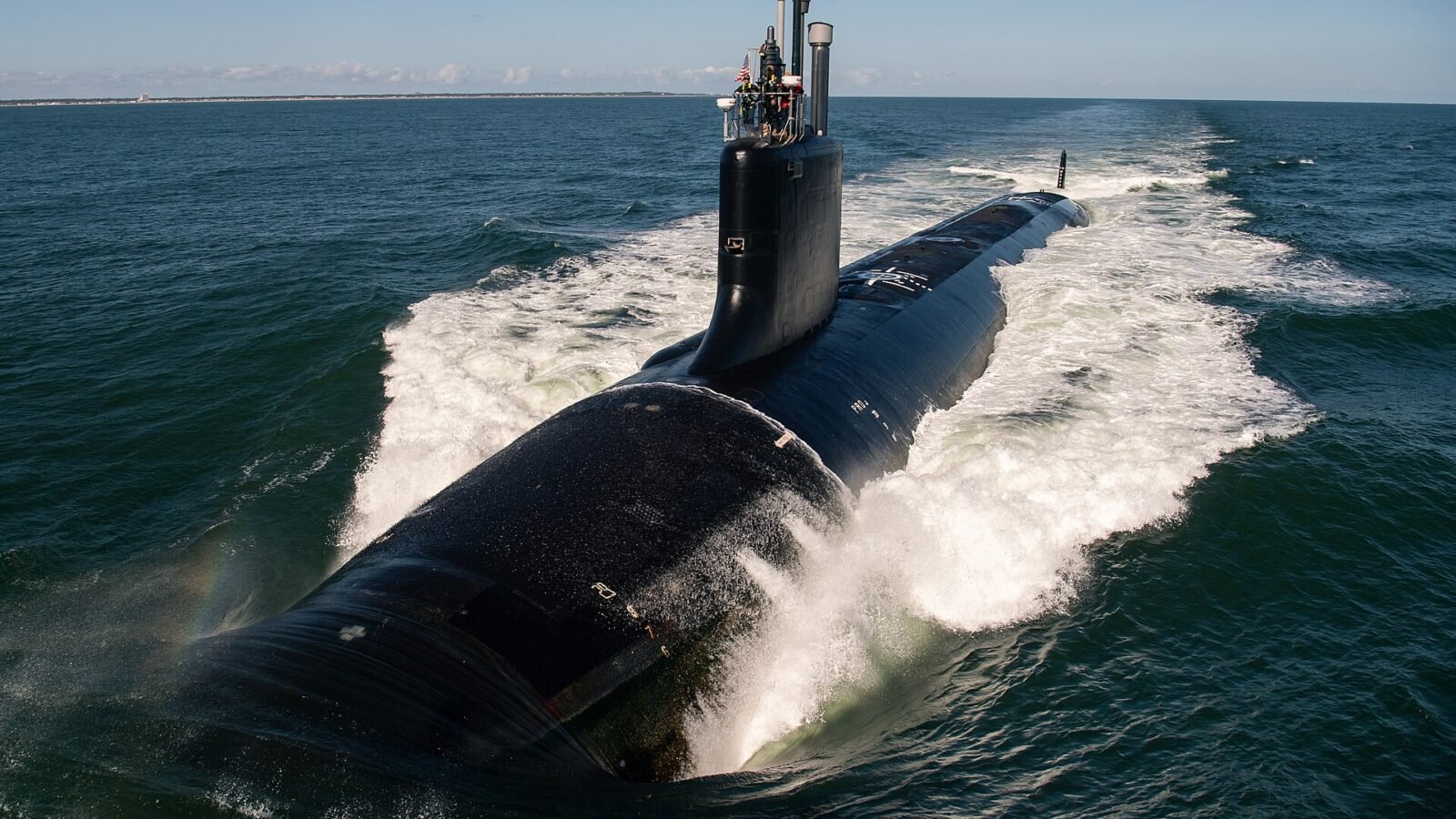
President Trump on Thursday signed a presidential memorandum aimed at reversing the decline of America’s shipbuilding capacity, a move that could reshape the Navy’s industrial base and open the door to increased collaboration with allied nations.
The directive, titled “Rebuilding the United States Navy and America’s Shipbuilding Industrial Base,” comes as the Navy has struggled with cost overruns, delays, and cancellations across six major shipbuilding programs. The order explicitly cites “overly complex designs and iterative design change procedures” as contributors to the setbacks, and says the Department of War shall “restore both capacity and competition to the maritime industrial base as it expands our naval force structure.”
The memo builds on a separate executive order signed by the president in April 2025 and a subsequent “Maritime Action Plan” aimed at addressing the same issues. As The Federalist previously reported, the Navy has been retiring ships faster than it can build new ones, leaving the fleet significantly smaller than it was at the end of the Cold War.
Expanding the ‘Finland Model’
One of the most notable elements of the new order is the expansion of the so-called “Finland Model,” a framework used in a memorandum of understanding signed with Finland last year for medium icebreaker construction. Under this model, foreign shipbuilders are allowed to initially construct up to two vessels overseas before shifting subsequent construction to the United States.
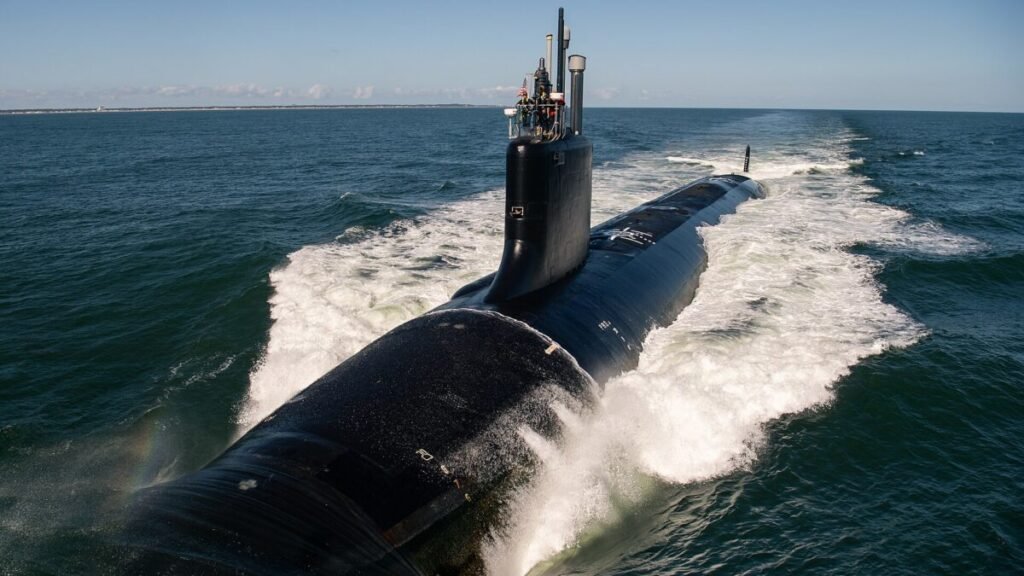
The directive orders that this model be applied to three different classes of ships, according to the text of the memorandum.
To qualify, a foreign supplier must “simultaneously build a new shipyard in the United States or assume ownership or a majority equity position in an existing shipyard in the United States,” and must build all ships after the first two in U.S. shipyards. The supplier must also “hire and train an American citizen workforce for the United States shipyards” and source a U.S. supply chain for construction and maintenance.
As described by gCaptain magazine, the Finland Model is designed to leverage foreign expertise while mandating domestic production for the long term.
New Public Shipyard Planned
The memorandum also directs Secretary of War Pete Hegseth, in consultation with Acting Navy Secretary Hung Cao, to submit a plan within 120 days for enhancing “nuclear-powered submarine and aircraft carrier readiness.” That plan is expected to include the use of private sector capabilities and the creation of a fifth public Navy Yard.

The new yard is intended to have the “sufficient drydock capacity” needed to help maintain the growing submarine fleet. The plan will assess potential locations near the U.S. Pacific Fleet, including sites in the continental United States, Alaska, Hawaii, and existing U.S. territories.
The focus on submarine maintenance is significant, as the Navy has faced persistent backlogs in submarine repair work, which has contributed to readiness concerns.
Controversial Carrier Redesign
The final major prong of the memo orders Hegseth, again in consultation with Cao, to submit a plan within 60 days that would require “measures to replace the Electromagnetic Aircraft Launch System and Advanced Weapons Elevators with steam and hydraulic systems” for the future USS Doris Miller (CVN-81), an upcoming Ford-class aircraft carrier.
As gCaptain noted, “The move would represent a major departure from the technologies introduced aboard the Ford class and potentially require significant redesign work on a carrier already under construction.”

The Electromagnetic Aircraft Launch System (EMALS) has been a point of contention since its introduction on the USS Gerald R. Ford, with critics questioning its reliability and cost. Reverting to steam catapults and hydraulic elevators would mark a philosophical shift away from the advanced technologies that were touted as a cornerstone of the Ford class.
Building on Prior Efforts
The order is the latest step in the president’s broader push to strengthen American shipbuilding. The April 2025 executive order and the subsequent Maritime Action Plan laid out a range of initiatives, but Thursday’s memorandum adds specific directives on foreign collaboration, public shipyard capacity, and carrier technology.
The emphasis on expanding foreign partnerships represents a pragmatic approach for a country whose commercial shipbuilding sector has not been globally competitive, according to the order’s own language. By allowing foreign shipbuilders to construct the initial vessels in their own yards—while requiring them to build U.S. facilities and hire American workers—the administration hopes to inject competition and reduce backlogs.
The timeline for implementing the various plans is tight: the 60-day carrier report is due first, followed by the 120-day plan on submarine and carrier readiness. Whether the Navy can meet these deadlines remains unclear, but the administration appears intent on moving quickly.
Critics may raise concerns about the feasibility of redesigning a carrier already under construction, the costs associated with creating a new public shipyard, and the potential security implications of relying on foreign shipbuilders even for initial vessels. Supporters, however, will see the order as a necessary response to a crisis that has left the Navy unable to build ships fast enough to replace its aging fleet.
Source: thefederalist.com — https://thefederalist.com/2026/08/14/trump-signs-order-aimed-at-expanding-americas-shipbuilding-capacity-1/