
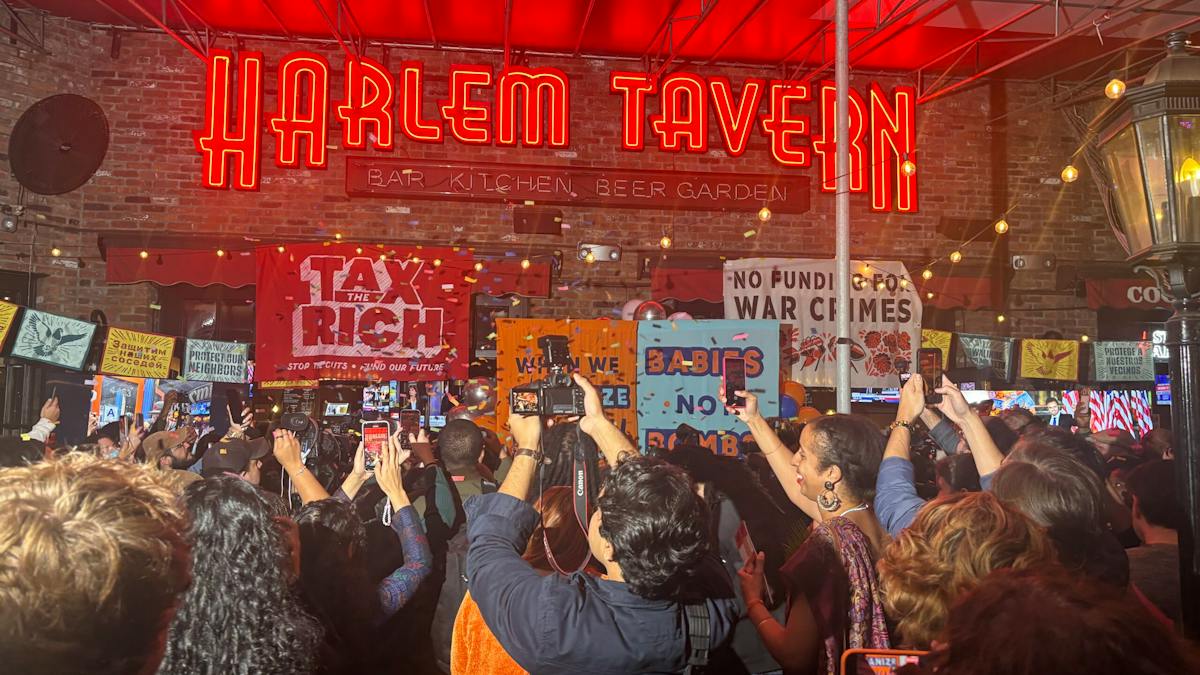
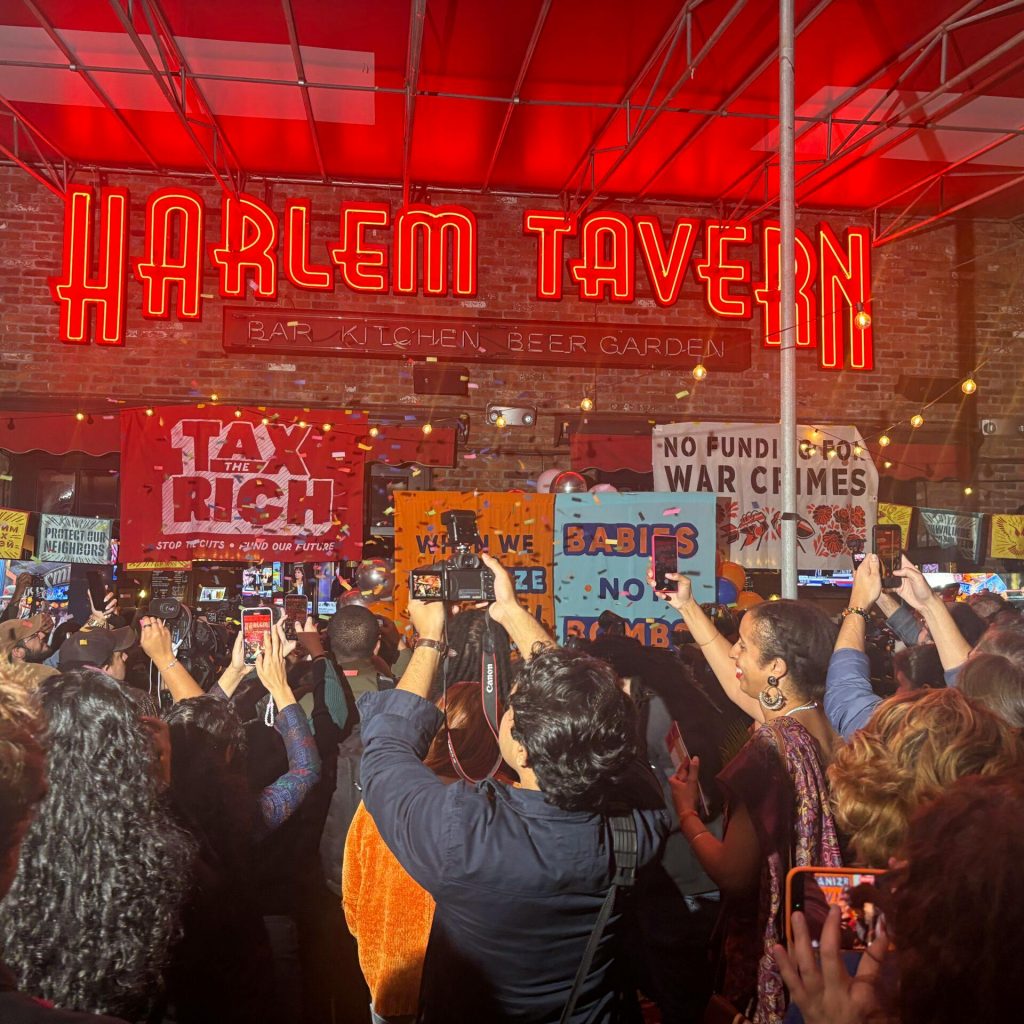
On election night 2026, the Harlem Tavern pulsed with the energy of a movement that had just secured one of its most radical victories yet. Democratic Socialists of America (DSA) supporters—students, union workers, and wealthy elites alike—celebrated the congressional win of Darializa Avila Chevalier, New York’s newly elected representative and a figure whose unapologetic rhetoric outflanks even prominent progressive firebrands like Alexandria Ocasio-Cortez and Ilhan Omar. For one conservative observer embedded in the crowd, the night offered an unsettling lesson in how the left mobilizes with ruthless efficiency.
The Emotional Fuel of a Movement
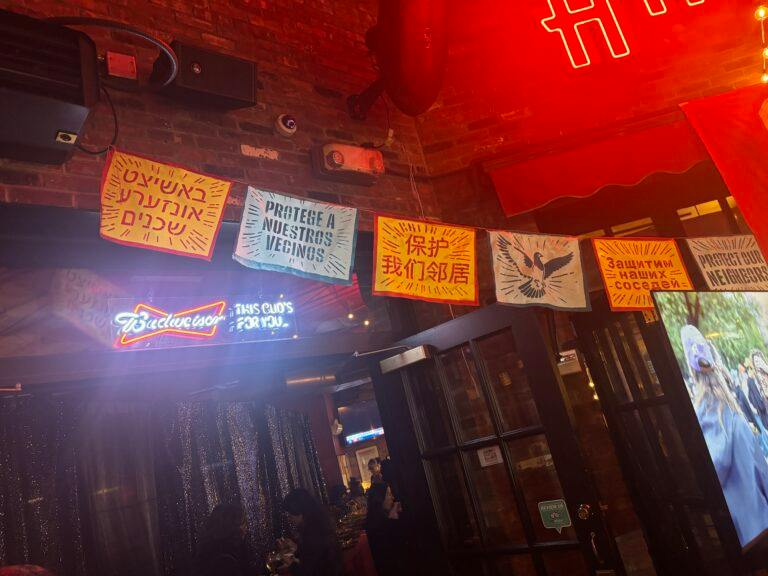
The venue dripped with revolutionary aesthetics: walls plastered with slogans like “Tax the Rich,” “Free Palestine,” and “Babies Not Bombs,” each rendered in multiple languages—Spanish, Chinese, Russian, Yiddish—a deliberate nod to socialist internationalism. Unlike traditional political rallies that invoke patriotism, speeches here framed politics purely through the lens of racial and class struggle. Chants of “D-S-A” roared with the intensity typically reserved for “U-S-A” at a football game, a jarring testament to the movement’s ideological cohesion.

Avila Chevalier’s campaign manager, Ilona Duverge, set the tone, praising door-knocking efforts and small-dollar donations as acts of class solidarity. When the congresswoman-elect took the stage, alternating between fiery Spanish and English, she framed her victory not as personal triumph but as collective liberation: “This is your movement,” she declared, “I’m just your conduit to Washington.” The crowd’s euphoria was palpable—less a celebration of one politician’s success than a reinforcement of shared identity.
Why Republican Messaging Falls Flat
The contrast with conservative tactics couldn’t be starker. While the GOP leans on abstract policy debates (“limited government,” “free markets”) or Trump-era sloganeering (“America First”), the DSA’s language thrives on verbs: “organize,” “mobilize,” “fight.” Their rhetoric doesn’t just describe policies—it binds adherents to a process. “Worker” isn’t a demographic label; it’s a call to action. Even the Republican Party’s most effective linguistic strategist, Frank Luntz, focuses on reframing nouns (e.g., “death tax” for estate tax). The left’s lexicon, by contrast, embeds politics into daily life.
“Conservatives show up with pie charts about steel tariffs,” noted the observer. “The DSA shows up and says, ‘You and your coworkers are being exploited—let’s change that.’ Which message gets people to canvass at 9 PM on a Tuesday?” The emotional resonance is no accident. While Republicans often assume policy wins alone will rally voters, the left understands that sustained movements require identity—not just ideas.
A Playbook the Right Hasn’t Cracked
The 2026 victory party underscored a broader challenge for conservatives: how to match the left’s ability to turn political philosophy into personal urgency. The DSA’s success lies in making activism inseparable from camaraderie—something Republican campaigns, with their emphasis on individualism, struggle to replicate. Until the right develops a vocabulary that frames conservative goals as collective endeavors (not just individual liberties), it may keep losing the battle for hearts—and ballots.
The scene at Harlem Tavern was a warning: movements don’t win on policy papers alone. They win by making people feel like they’re part of something bigger. And for now, the radicals own that playbook.
Source: www.dailywire.com — https://www.dailywire.com/news/what-i-learned-partying-with-the-dsa-radicals
Source: www.dailywire.com
Related coverage
- Smithsonian Secretary Lonnie Bunch Resigns Amid Conservative Criticism
- O’Donnell: How John Glover’s 750 Men Stalled 4,000 British Troops and Saved Washington’s Army at Pelham
- ICE Arrests MS-13 Associate in Rural Idaho Town, DHS Confirms
- War Dept. Official: $1.5T Budget Needed to Replace Cold War-Era Systems