
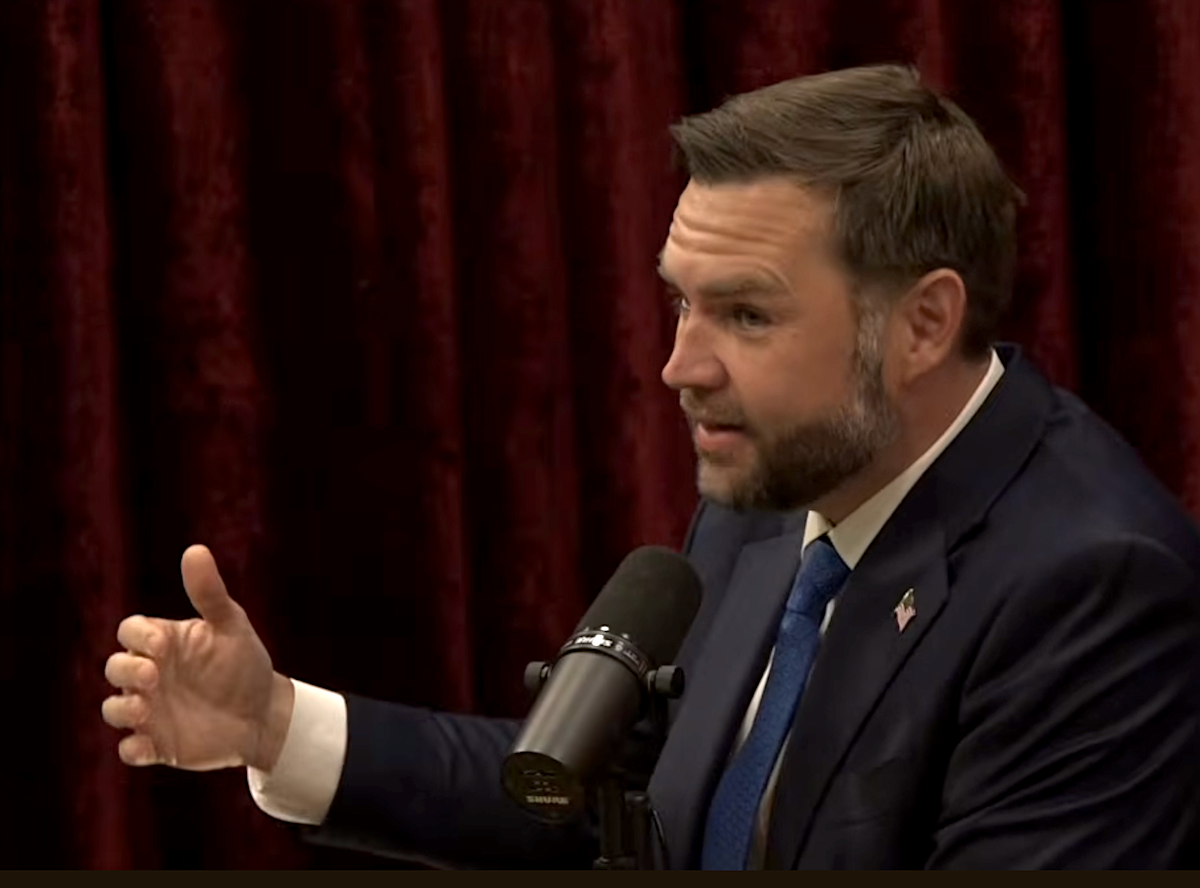
Vice President J.D. Vance has found himself at the center of a heated debate over U.S. policy in the ongoing Iran conflict, drawing sharp rebukes from prominent conservative commentators in what some observers see as early positioning ahead of the 2028 presidential election.
New York Times columnist Bret Stephens recently published a scathing assessment of Vance, declaring him “by far the worst person ever to hold the office” of vice president. Stephens, who has described himself as a “Biden conservative” and voted for Kamala Harris in the 2024 election, has a long history of opposing Republican candidates in national elections dating back to 2012.
The criticism intensified this week when Washington Post columnist Marc Thiessen, a former speechwriter for President George W. Bush, published a piece targeting Vance’s role in the Iran war. Thiessen specifically blamed Vance for what he characterized as failures in the conflict, writing that “it’s time for the president to take the advice of those who have delivered him success in Iran — not those like Vance who have failed him.”
Dispute Over War Strategy and Negotiations
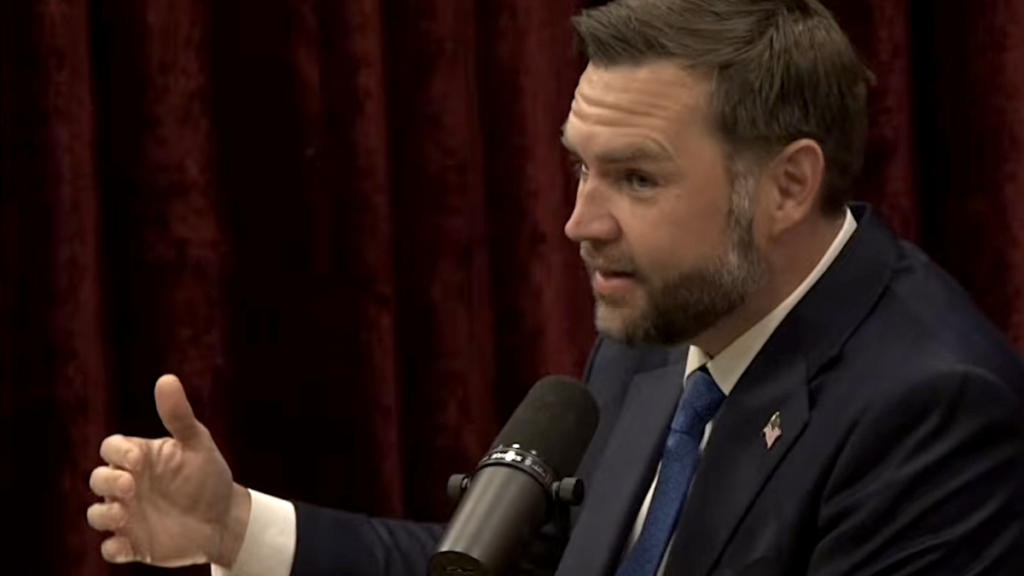
According to The Federalist, Vance’s primary responsibility in the Iran conflict has been negotiating its end with Iranian leaders. The war itself has reportedly grown increasingly unpopular, even among Republican voters.
Thiessen’s critique came alongside a detailed outline of what he believes should constitute victory in the conflict. His vision includes eliminating remaining Iranian leadership figures, further entombing Iran’s nuclear sites, destroying ballistic missile sites, and demolishing Iran’s economic and energy infrastructure that provides financial support to the Islamic Revolutionary Guard Corps.
The Post columnist also advocated for destroying “key highways, railroads, airports and seaports” through which Iran receives financial assistance from neighboring countries, as well as Iran’s defense industrial base to prevent rebuilding of military capabilities.

Thiessen further proposed maintaining a U.S. military presence just off Iran’s coast indefinitely while providing covert support to Iranian rebels in hopes they would fight their own government. He suggested these objectives could be accomplished in “a few weeks,” nearly half a year into the current conflict.
Contradictions in Current Policy
The Federalist noted contradictions in the administration’s messaging about the war. While Thiessen credited the president with “decimating its ballistic missile capability” and “annihilating its conventional military forces,” Iranian forces have reportedly continued attacking U.S. targets and killing Americans.
The president has announced an end to major combat operations and stated that the Strait of Hormuz is opening multiple times, according to the outlet, though ship crews reportedly remain reluctant to pass through the strategic waterway.
2028 Presidential Implications
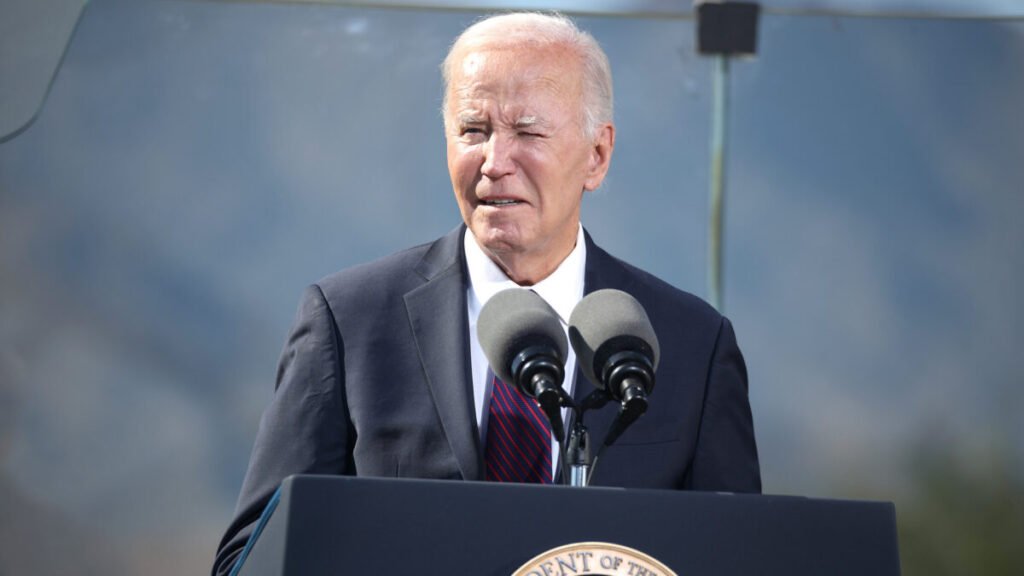
The timing of the attacks on Vance has raised questions about motivations beyond immediate policy disputes. President Trump has not yet endorsed anyone for the 2028 Republican presidential nomination, and Vance is widely viewed as a potential candidate.
The Federalist characterized the criticism as “a very obviously coordinated attack on Vance planned by a slimy mix of neocons, lazy Republicans, and Israel Firsters.” The outlet suggested that opposition from figures like Stephens and Thiessen, who represent neoconservative foreign policy perspectives, could actually benefit Vance politically with a Republican base increasingly skeptical of prolonged military engagements.
Thiessen’s relationship with the Trump administration has reportedly included private consultations on foreign affairs, making his public criticism of the vice president particularly notable.
The public disagreement highlights ongoing tensions within Republican foreign policy circles between traditional neoconservative interventionists and figures like Vance who have expressed more skeptical views toward extensive military commitments abroad. As the 2028 election cycle begins to take shape, these fault lines appear likely to play a significant role in determining the party’s direction on international affairs.
Source: thefederalist.com — https://thefederalist.com/2026/07/31/the-burning-hatred-from-neocons-is-good-for-j-d-vance-in-2028/