
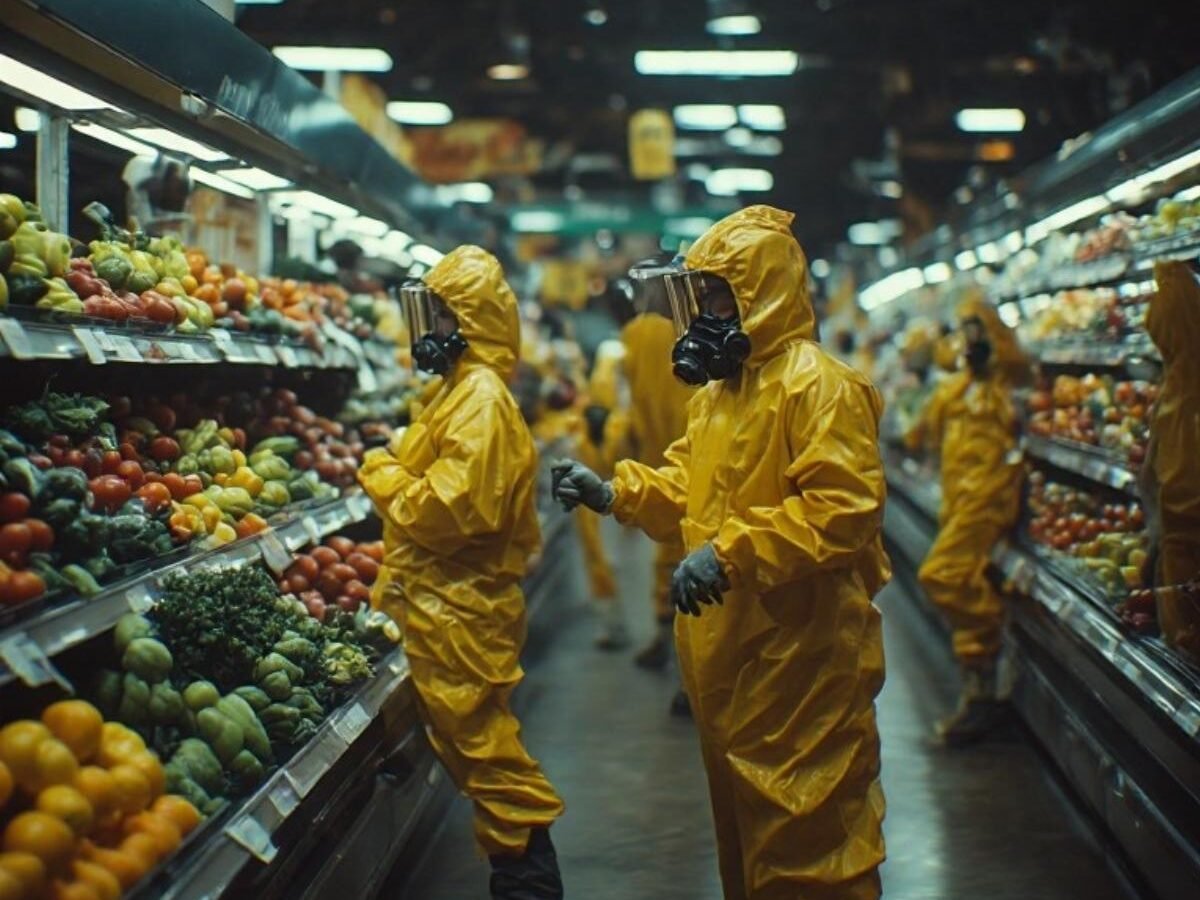
It started with an official warning: a parasite, possibly in your salad. By summer’s end, millions of Americans had changed what they ate, thousands of farms and restaurants had felt the pinch, and a quieter debate had begun over how much power a single government notice can wield.
John F. Di Leo, writing for American Thinker, looks back on the 2026 cyclospora season—a year when federal agencies suspected cases of cyclosporiasis, a parasite-borne illness, might hit the tens of thousands. That sounds like a lot, but in a nation of 340 million, it’s still a drop in the bucket. Yet the way the public responded, Di Leo argues, turned a modest advisory into a marketplace earthquake.
A Summertime Shift in the Grocery Cart
The message from the Departments of Agriculture and Health and Human Services was measured, even responsible. They didn’t slap a ban on every possible source. They shared the risk and went looking for the culprit. Along the way, Americans learned more than they might have wanted about cyclospora: it’s a parasite that lives in fecal matter, gets into water when sewage treatment fails, and ends up on fresh produce when farms irrigate with improperly treated water. You buy it, you eat it raw, you get sick.
That knowledge did what knowledge sometimes does—it sent people scrambling. Salads vanished from tables. Burgers arrived plain. Tacos lost their crunch. Fresh fruit gave way to chips and cookies, not because those were objectively safer or healthier, but because they were free of this one particular risk. Di Leo notes that the alternative might be less nutritious, more fattening, more expensive—but when you’re scared of getting sick, that’s not what’s top-of-mind.
It’s a free country, he’s quick to add. Everyone has the right to choose their own poison. But have we thought through the fallout?
The Hidden Cost of a Cautious Warning
If the government issues a mandatory recall, the costs are easy to count: refunds, canceled orders, destroyed product. Farms plow under fields. Distributors eat the loss. But Di Leo says the same thing can happen even without a mandate—a simple public notice can crash demand all on its own.
This summer, that’s what happened. Grocery stores and fruit markets watched fresh produce spoil on the shelves. Restaurants and cafeterias stocked salads and raw ingredients that never made it to a plate. For some vegetables—carrots, celery, onions—there was a fallback: throw them in a sauce or a soup. But lettuce, cucumbers, and radishes? If they don’t get served cold, they don’t get used at all.
The damage hit certain kinds of restaurants especially hard. Vietnamese, Mexican, and other cuisines that celebrate raw preparations lost whole dining parties. Customers either picked different restaurants or skipped dining out entirely. A fear of one specific bug turned into a broader shift in how people ate—and not necessarily in a healthier direction.
Choosing Your Risk: Burgers, Fried Onions, and a Thousand Extra Calories
Di Leo asks a pointed question: what happens to your health when you swap a fresh salad for a breaded, fried appetizer, or trade the lettuce and tomato on your burger for sautéed mushrooms and fried onions? For a day, no big deal. Over a summer? That’s a different story.
People got fatter, he suggests, because they were afraid of a gut illness. They ate more pizza, more fried chicken, more ice cream. They switched from one set of risks to another—maybe the new risks were worse, but they were at least familiar and didn’t make headlines.
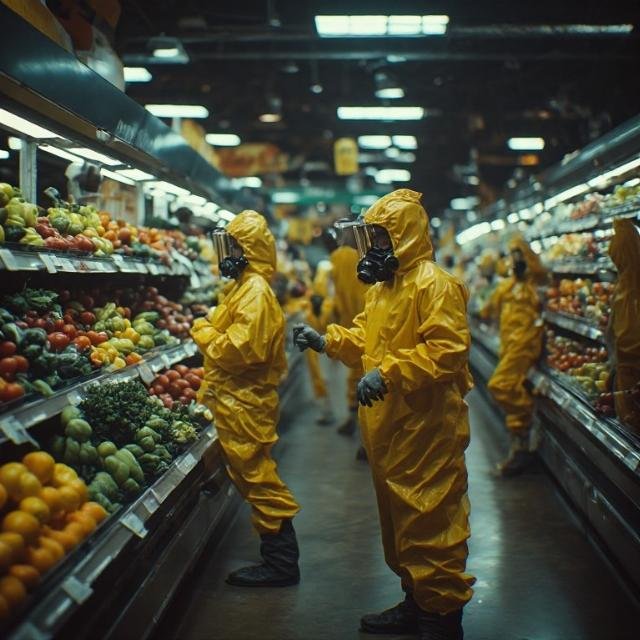
And here’s the biggest question of all, according to the piece: what if the risk was never outsized enough to deserve mention in the first place? Cyclospora is always around, with a few thousand cases every year. In 2026, the numbers appeared to be three or four times higher than usual. In a country of 340 million, that’s still tiny. Was the fear overblown? Or was the result relatively mild only because people took the warnings seriously? And if they took precautions, was it worth it?
Di Leo doesn’t pretend to know. He’s careful not to attack the government for issuing the warnings—he points out that the agencies involved seem to have restrained themselves, especially compared to their “sky is falling” approach to COVID-19 six years ago. But he does argue that even a restrained warning can affect the marketplace in ways we rarely stop to consider.
A Wake-Up Call About Government Power
The piece circles back to a cornerstone of political science: Chief Justice John Marshall’s dictum that “the power to tax is the power to destroy.” Marshall, Di Leo reminds us, wasn’t only talking about taxes. He was talking about all government power—laws, regulations, and even public health advisories.
“Our federal government is now so powerful that it can bankrupt or shut down a commodity, an industry, or a class of restaurant with a single decree,” he writes.
That’s a heavy thought for a sunny summer evening, but it’s exactly the kind of wake-up call Di Leo hopes readers take away. The cyclospora panic of 2026 may pass, and eventually the salads will return to the tables. But the underlying dynamic—that a word from Washington can reroute the eating habits of millions, harm businesses, and shift public health in unexpected ways—isn’t going anywhere.
As he puts it: “Now more than ever, the ability to speak our minds is crucial to the republic we cherish.”
Source: www.americanthinker.com — https://www.americanthinker.com/articles/2026/08/the-cyclospora-panic-of-2026/