
Colorado is betting big on passenger rail, but critics are already comparing the state’s new plan to California’s high-speed rail debacle. The Front Range Passenger Rail District released its “Plan for Colorado Connector – CoCo” early this week, outlining an ambitious train line between Fort Collins and Denver, with construction costs that escalate sharply across phases. The proposal calls for $332 million for phase 1, which would run three trains each way daily, followed by $1.7 billion for phase 2 extending to Pueblo, and $2.7 billion for phase 3 to increase frequency to as many as 10 daily round trips. Total projected spending exceeds $4.7 billion. But Mike McDaniel, a retired police officer and writer for American Thinker, says the plan is far from a practical solution and more akin to a high-cost fantasy.
A plan without alternatives?
McDaniel, who notes he attended planning school before being turned off by the profession, argues that the Colorado document fails the basic test of a real plan. He says real planning weighs alternatives, evaluates costs and benefits, and sets benchmarks to adjust or abandon projects if they fail. Instead, he contends, the Colorado plan simply proposes spending more and more public money without considering options like upgrading existing highways or enhancing bus service. The document, he says, lacks any discussion of alternatives or criteria for stopping midstream if early phases don’t deliver promised results.
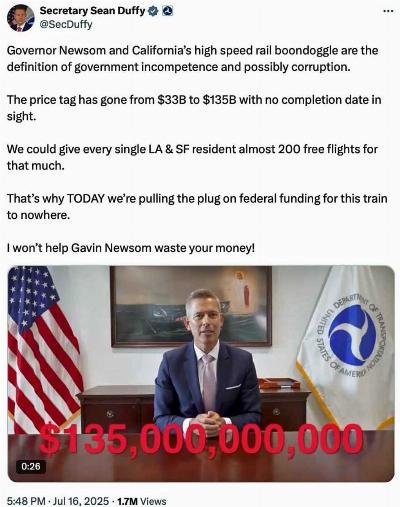
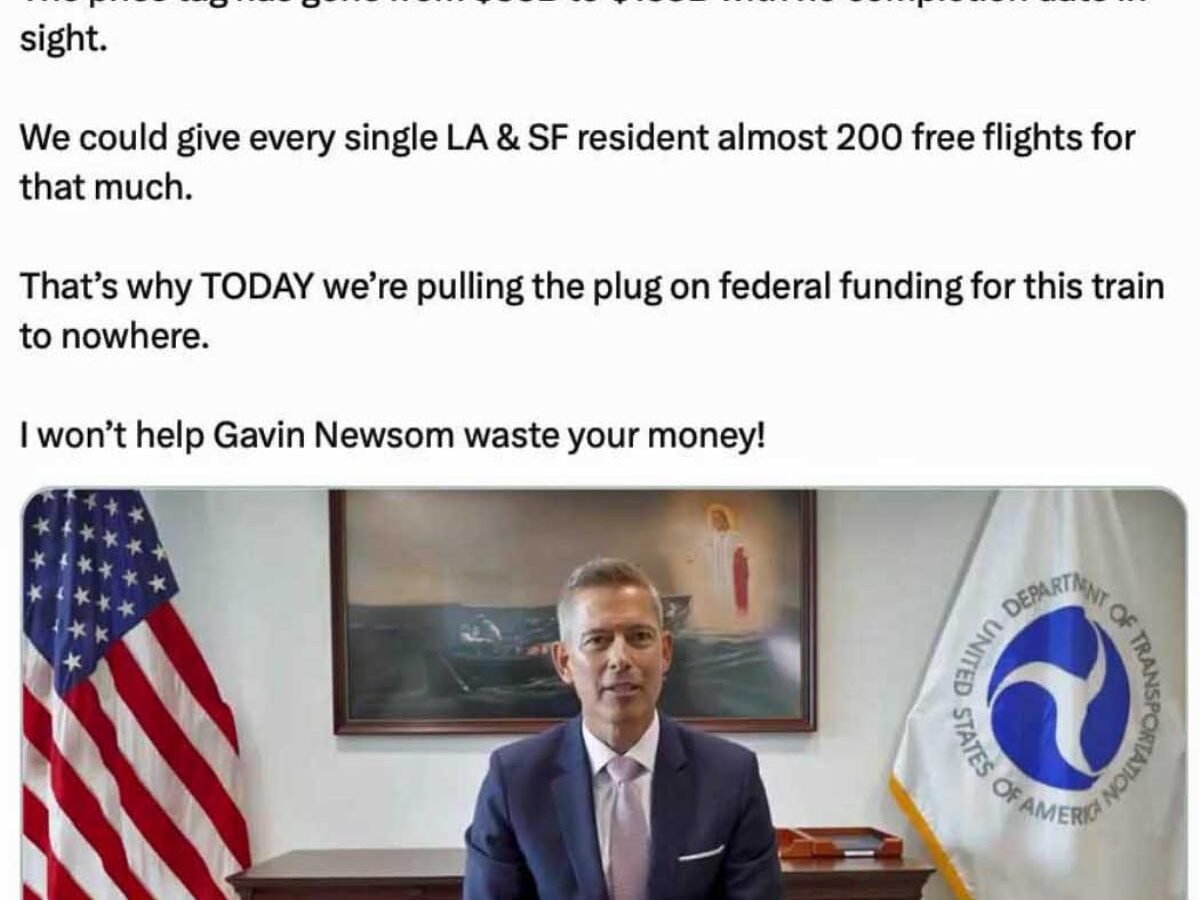
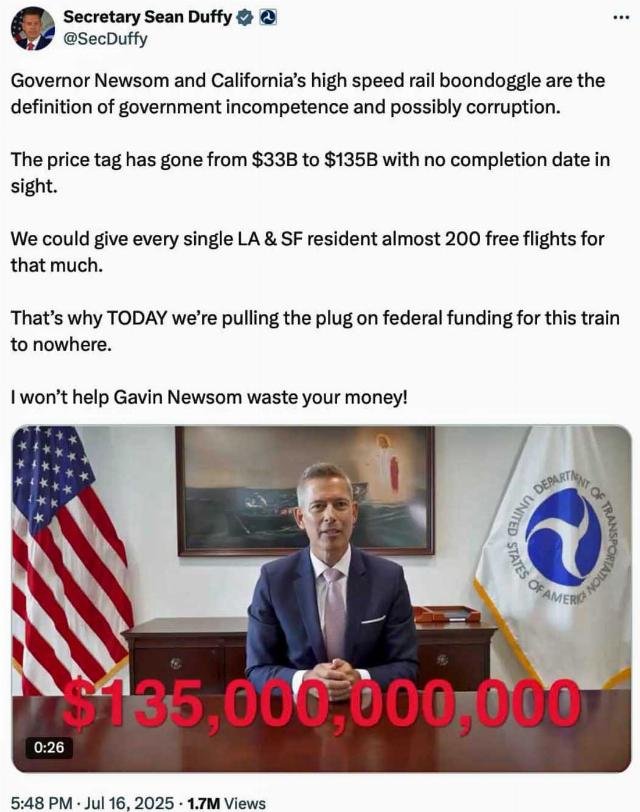
Drawing comparisons to California, McDaniel points to that state’s high-speed rail project, originally authorized in 2008 with an $33 billion price tag for an 800-mile network expected to finish by 2020. Nearly two decades later, the route has shrunk to roughly 170 miles, not a single mile of track has been laid, and no trains exist. The projected cost has ballooned to at least $135 billion, he reports, with California already spending $18 billion and the federal Department of Transportation unwilling to contribute more under the current administration. McDaniel says Colorado is heading down a similar path, and that voters should be wary.
Stadium math doesn’t add up
The rail plan’s backers tout convenience for sports fans and concertgoers. The district’s document mentions that riders could take the train to events at the Broncos’ Mile High Stadium in Denver. But McDaniel does the math: a typical train will carry 500 to 600 people, while the stadium seats 76,000 for football and 85,000 for concerts. Even at full capacity during phase 1, with only one train in operation, the train would carry less than one percent of attendees. Even in later phases with six to eight trains, he argues, they’d barely make a dent in the crowd. “But hey, it’s a train!” he writes, criticizing what he calls Democrats’ affinity for choo-choos and spending public money.
Past Colorado cost overruns
McDaniel also warns that the projected $4.7 billion figure is likely to be far higher. He cites previous Colorado infrastructure projects that missed their budgets: Denver International Airport was originally estimated at $2.9 billion but ended up costing over $4.9 billion, and Denver’s regional rail system, “Fastracks,” was supposed to cost $3.8 billion for six major lines and three minor extensions, but the Regional Transportation District has already spent $5.5 billion and still needs an additional $1.6 billion to complete all lines. Based on those patterns, McDaniel suggests the true cost of the Front Range rail will soar beyond official estimates.
Benefits unclear, critics say
McDaniel argues the train won’t alleviate highway congestion on I-25, which he describes as a frustrating drive from the Wyoming border to south of Colorado Springs. He says the plan’s benefits are minimal, and the only clear winners would be contractors and suppliers. Like California’s high-speed rail, he predicts this project—if voters approve it—will never reach its final phase, leaving future generations with unfinished concrete structures and unpaid bills. He urges Coloradans to think carefully before embracing what he calls a boondoggle.
The Front Range Passenger Rail District and its supporters have not responded publicly to McDaniel’s critique yet. Voters may have their say in future ballot measures, but for now, the debate over Colorado’s rail future is just getting started.
Source: www.americanthinker.com — https://www.americanthinker.com/blog/2026/09/colorado-follows-california-into-the-railroad-money-pit/