
A commentary published in American Thinker takes aim at the timing of a halal food festival held in the Philadelphia suburbs, describing the event’s scheduling one day before Yom Kippur as an “oddity” that merits scrutiny.
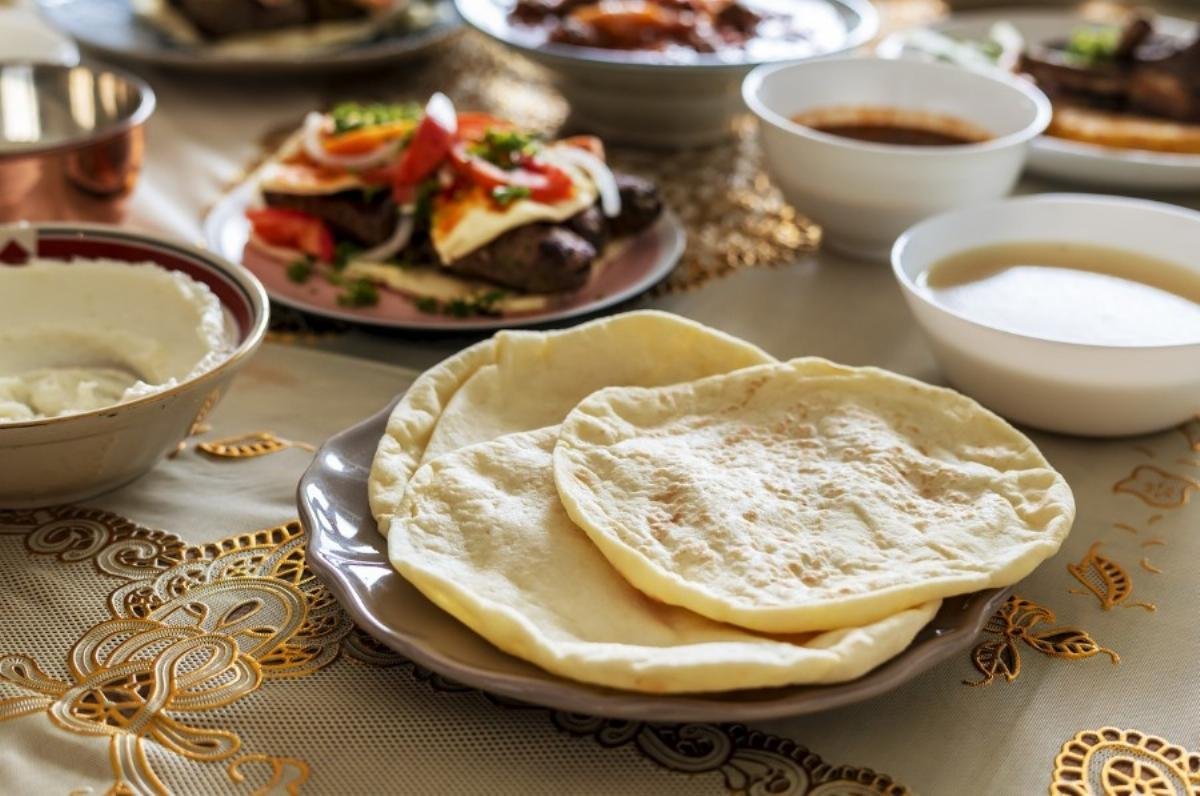
The piece, written by Lynne Lechter and dated September 20, 2026, centers on an event the author says took place on September 19 in King of Prussia, Pennsylvania, at a mall owned by the Simon Company. According to the account, the festival occupied an outdoor parking lot area “stretching for blocks” and featured what appeared to be more than 100 tents with merchants selling food and merchandise. The author notes that the event was a first of its kind at the location and that the configuration of the tents and the long lines made it impossible to determine whether propaganda materials were also present.
The Timing Argument
Lechter’s central claim is that the scheduling was not coincidental. Yom Kippur, which she describes as the most sacred Jewish holiday, began the following day. The 24-hour observance involves fasting and repentance, with Jews seeking forgiveness from both God and anyone they have wronged. The author asserts that “true to type, Muslims selected the halal festival date the day before the most sacred Jewish holiday,” framing the juxtaposition as deliberate rather than accidental.
She also emphasizes that the mall had not previously permitted a similar event for any other group, calling that fact “the most flagrant oddity” of the situation. More hijabs were worn than normally seen, she writes, and people stood in line for blocks to enter.
The commentary is careful to note what it cannot confirm: because of how the tents were arranged and the crowds waiting to get in, it was impossible to know whether propaganda materials were among the offerings. That caveat matters, since the author’s broader argument rests on a pattern she says she has observed across multiple incidents, not on any single verified detail from this event.
A Broader Critique
Lechter situates the King of Prussia festival within a wider narrative about what she calls “the latest Islamic attack on America’s Jewish and Christian foundation.” She writes that the “pernicious offense marches on, mostly unabated,” and criticizes what she sees as a lack of serious pushback. In her view, many rabbis across Judaic denominations decline to introduce negativity into Jewish classes or religious services, but she asks what happens during the rest of the time. She argues the Christian world has likewise ignored what she describes as growing encroachment.
The piece also claims that many Islamic youths and adults train in martial arts and are, in her words, “inundated with continuing lies regarding Middle East history.” She points specifically to disputes over the October 7 Hamas attacks, writing that roughly 1,200 Israelis were gang-raped, burned alive, or murdered, and over 200 were kidnapped, some already dead, with bodies paraded through Gaza streets as trophies. Her contention is that the world blamed Israel despite these events, a reaction she calls illogical.
In making this argument, Lechter draws on coverage she attributes to “various American Thinker writers,” positioning her commentary as part of an ongoing conversation at the outlet rather than an isolated objection. That framing is worth noting: the piece functions as an opinion entry in a running debate about how Western societies should respond to Islamic cultural and political influence, not as a reported news account.
The UK Comparison and a Closing Appeal
To underline her concerns about the United States, Lechter points to the United Kingdom, urging readers to consider “the creep of Islamic political growth occurring in the U.K.” She does not offer specific examples or data in the piece, treating the comparison as self-evident for her audience.
The commentary ends with a note of personal observance, extending good wishes to those fasting for Yom Kippur, and a call to action. “Now more than ever,” she writes, “the ability to speak our minds is crucial to the republic we cherish.” The piece closes with a solicitation for donations to support American Thinker’s staff and mission.
What the Piece Does and Doesn’t Establish
As an opinion column, the American Thinker piece is upfront about its perspective. It presents the halal festival as emblematic of a larger cultural conflict and asks readers to draw conclusions about intent from the timing of the event relative to Yom Kippur. The author acknowledges uncertainty about whether propaganda materials were present, a detail that would strengthen her argument if confirmed but which she cannot verify.
What the commentary does not do is provide evidence that the festival’s organizers or the mall deliberately chose the date to coincide with the Jewish holiday, nor does it document prior instances in which such timing was established as intentional. Instead, it relies on the reader’s willingness to see a pattern in the broader claims about Islamic activism and Western complacency.
The piece also does not address whether halal festivals have been held at other locations or on other dates, which might bear on whether the King of Prussia event was truly unprecedented as described. And while it mentions the mall’s ownership by the Simon Company, it does not indicate whether the company was asked for comment or offered an explanation for the scheduling.
Those gaps are typical of opinion writing, where the goal is to advance an argument rather than to assemble a complete factual record. Readers looking for a definitive account of what happened in King of Prussia on September 19, or for confirmation of the author’s claims about intent, will not find it here. What they will find is a pointed expression of concern about religious timing, cultural visibility, and the perceived direction of Islamic influence in the West — a concern the author believes Americans should take seriously, and one she frames as urgent enough to warrant attention even amid the solemnity of the Jewish high holidays.
Source: www.americanthinker.com — https://www.americanthinker.com/blog/2026/09/an-oddity-of-timing-for-an-islamic-cultural-event/