
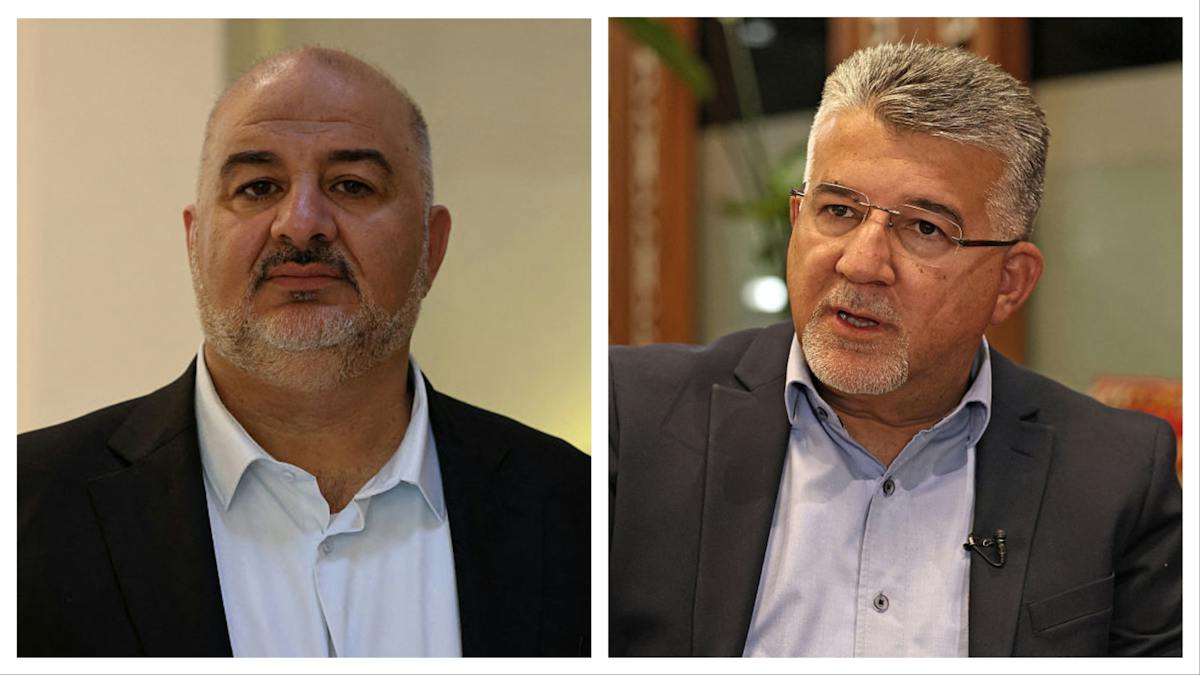
Arab lawmakers in Israel ignited a political firestorm Thursday by refusing to label Hamas a terrorist organization during high-stakes coalition negotiations, even as their parties emerge as potential powerbrokers in forming the next government.
The controversy erupted during consultations hosted by Israeli President Isaac Herzog, where party leaders gathered to recommend a candidate to form a governing majority following last month’s election. The tense exchanges revealed deep divisions as Arab politicians dodged direct questions about Hamas while positioning themselves as crucial swing votes.
‘Test of Loyalty’ Question Sparks Backlash
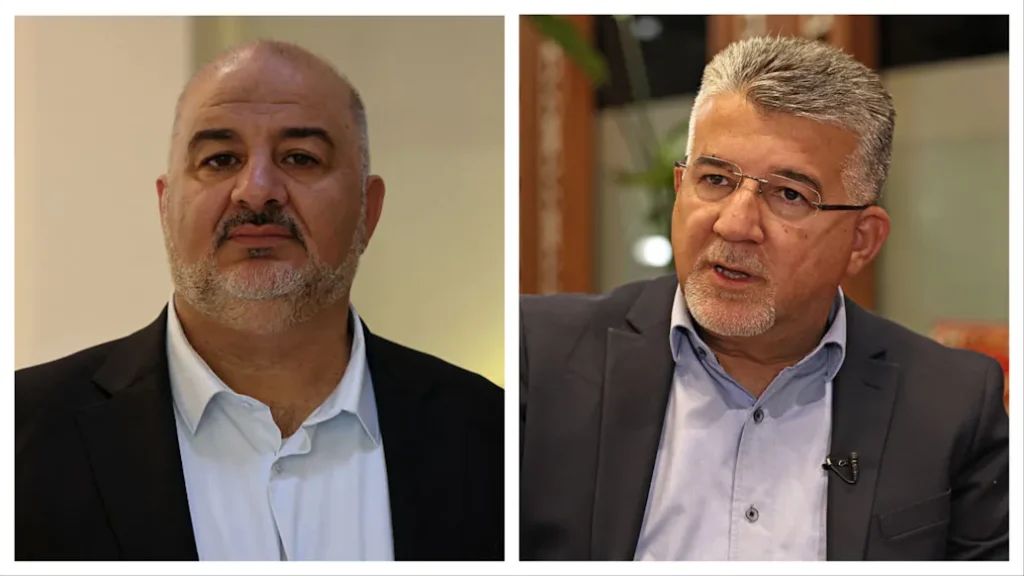
Ra’am party leader Mansour Abbas drew immediate criticism when he refused to answer whether his Islamist faction considers Hamas a terror group. Instead of addressing the question directly, Abbas called the inquiry an insulting “test of loyalty” to Israel.
The evasion continued when Herzog pressed representatives from the Arab Joint List about whether they would continue supporting an Israeli government that went to war with Hamas or Iran. Joint List chairman Yousef Jabareen declined to commit, saying his faction would make a “strategic decision” based on its own interests before attacking Prime Minister Benjamin Netanyahu and National Security Minister Itamar Ben-Gvir for allegedly stoking divisions.

Political Calculus Behind the Silence
Both Arab factions ultimately endorsed Yair Lapid’s centrist Yesh Atid party to lead the next government, putting them in position to potentially determine Israel’s next ruling coalition. But their refusal to denounce Hamas has exposed the fragility of any potential alliance.
A new Kantar Institute poll shows widespread public opposition to a government dependent on Ra’am’s support, with even most centrist and left-leaning voters expressing skepticism. More than half of voters who backed Lapid’s “Change Bloc” oppose cutting deals with the Arab-Islamist party to gain power.

Coalition Math Meets Security Concerns
The controversy highlights the tightrope Arab politicians must walk between representing their constituents and participating in Israel’s political process. While Abbas previously made history by joining a governing coalition in 2021, his latest comments suggest growing tensions between Arab parties and the Jewish majority.
With Herzog preparing to conclude consultations, the Arab lawmakers’ stance has cast doubt on whether Lapid can realistically form a stable government with their support. The refusal to condemn groups like Hamas — responsible for numerous deadly attacks against Israeli civilians — may prove politically toxic even for centrist Jewish parties considering such an alliance.
Source: www.dailywire.com — https://www.dailywire.com/news/arab-leaders-refuse-to-call-hamas-a-terrorist-organization
Background and context
The latest developments around Arab Lawmakers Spark Outrage After Dodging Questions on Hamas Terror Label come amid a broader debate over politics, institutional accountability, and the policy choices that shape everyday life. Understanding the immediate facts is only the first step; the wider impact depends on how officials, institutions, and the public respond in the days and weeks ahead.
FedFront’s coverage focuses on verifiable details, identifiable sources, and the practical consequences of political decisions. Readers should review official statements, primary documents, and court or agency records before drawing final conclusions about any disputed claims.
Why it matters
Stories like this can influence legislation, regulatory enforcement, public trust, and the balance of power between government institutions. Even when the immediate headline fades, the underlying policy, legal, or political questions often continue to shape future decisions.
What to watch next
- Official responses, statements, or policy changes
- Legislative, regulatory, or court action
- Follow-up reporting and independent verification
- Public reaction and broader political fallout
FedFront will continue monitoring this story and update coverage as new information becomes available.
Source: www.dailywire.com
Related coverage
- Two Biden-Released Migrants Wanted in Stabbing of Off-Duty NYPD Detective, DHS Says
- NYC Mayor Zohran Mamdani Requires ID for Government-Run Grocery Stores, Sparking Voter ID Debate
- Brian Flores Scouting Report Unsealed: ‘Brownsville, Brooklyn’ Line Fuels NFL Racism Suit
- Daily Wire Column Calls Hasan Piker ‘Most Anti-American’ Figure Since Bin Laden Over al-Qaeda Comparison