
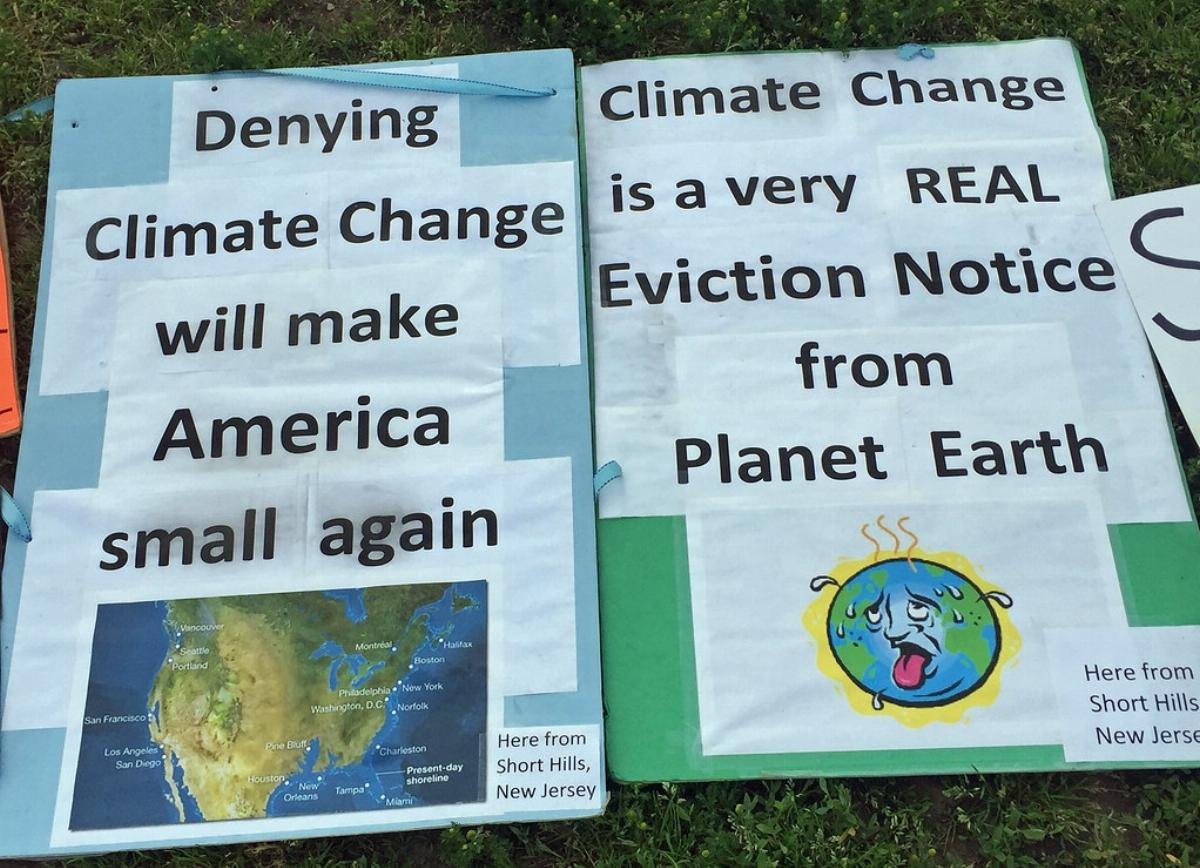
It’s a question that has puzzled drivers for years: Why is a gallon of gasoline in Los Angeles so much more expensive than almost anywhere else in the country? According to a recent column by Silvio Canto Jr. in the American Thinker, the answer isn’t oil company greed—it’s the state’s own green energy policies.
Canto, drawing on analysis from urban planning scholar Joel Kotkin and energy analyst Robert Bryce, argues that California’s high fuel and electricity costs are a direct result of the state’s decades-long push toward renewable energy. The column, titled “Green Is Bad,” contends that this agenda has turned what should be a prosperous state into one where the middle class is squeezed at the pump and in their monthly utility bills.
Kotkin’s research, cited in the piece, notes that since the early 2000s, California governors and legislators from both parties have signed onto climate measures that have pushed the state’s gas prices to around $5.55–$5.59 per gallon—well above the national average of about $4.02. Electricity costs in the Golden State are also among the highest in the continental U.S.
Gov. Gavin Newsom has repeatedly blamed Big Oil for price gouging. But Canto and the analysts he cites call that “a convenient excuse.” The real culprit, they say, is a renewable energy transition that has proved far more expensive than its boosters promised.
International Cautionary Tales
The column points beyond California to Europe for evidence. Robert Bryce, a longtime energy analyst, has observed that wherever governments have rushed to base their energy supply on renewables—the United Kingdom, Germany, and California being prime examples—the result has been sharp spikes in energy costs.
Germany is cited as a particularly stark case. The country’s once-vaunted industrial economy has been significantly damaged, in large part because of the high cost of renewable energy. For German manufacturers, cheap electricity was a competitive advantage; now it’s a liability.
For California, the consequences are similarly structural. Canto argues that high energy prices undermine the state’s prosperity and worsen its already extreme inequality.
According to the California Air Resources Board’s most recent “scoping plan”—the state’s own framework for achieving carbon neutrality—households earning less than $100,000 annually are projected to see significant income declines, while those making more than that threshold would see their incomes rise. In other words, the policy designed to save the planet is, by the state’s own projections, a regressive tax on the middle class.
Driving Business Out of the State
The high costs have consequences beyond the family budget. Canto argues they are making it hard for California to capitalize on its otherwise remarkable innovation economy. Expanding tech firms—many of which ironically fund green NGOs—have been setting up new facilities in Arizona or Texas instead. Electricity costs are a major factor for chip manufacturing and high-intensity computing, and those businesses are voting with their feet.
“What happens when one of these companies, say, moves to Texas?” Canto writes. “They usually take jobs with them and a few taxpayers as well.” The Texas capital region, he notes, is visibly reaping the benefits of that exodus.
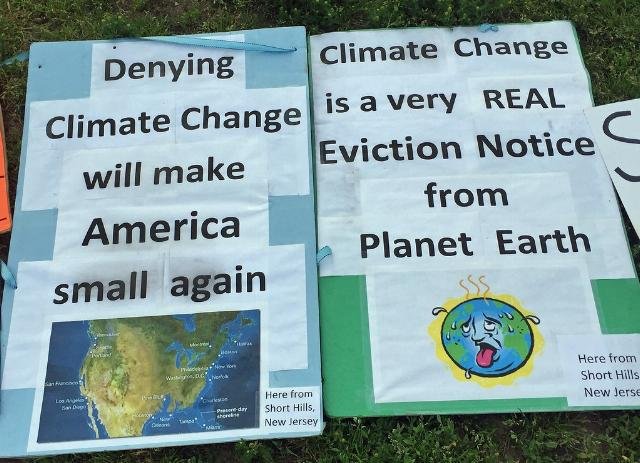
For Canto, the conclusion is simple and blunt: “Go green, go broke.” The pain isn’t abstract—it’s felt every time a driver fills up the tank or opens an electric bill. And the blame, he argues, shouldn’t be pinned on oil companies or the president, but on a political class that chose this path.
“The reality is that going green makes life more miserable for the middle class,” he writes. “This is the reality of the green climate agenda.”
A Debate Over Drivers of Prices
The column enters a long-running debate about what actually drives California’s high fuel prices. State officials and environmental advocates have countered that the price differential stems from a mix of factors, including California’s unique fuel blend requirements, limited refinery capacity, and carbon pricing mechanisms—all of which are tied to the state’s broader environmental ambitions.
Newsom has specifically accused oil companies of profiteering during price spikes, and has called for transparency and potential penalties. But Canto’s column, echoing Kotkin and Bryce, insists that no amount of corporate blame-shifting can obscure the fundamental economics: when you legislate away cheap, reliable power sources and force an accelerated transition, consumers pay the difference.
The column argues that California’s experience is a warning for the rest of the country. If the federal government or other states adopt similar green mandates, proponents say, they could face California-style sticker shock.
It’s a genuine point of contention in American energy policy: whether the long-term climate benefits of renewables justify short-term consumer costs, or whether, as Canto suggests, those costs are the real story—and far higher than predicted.
For now, drivers in Los Angeles are paying the price, and the debate over who set that price—and who should fix it—shows no sign of cooling down.
Source: www.americanthinker.com — https://www.americanthinker.com/blog/2026/08/green-is-bad/