
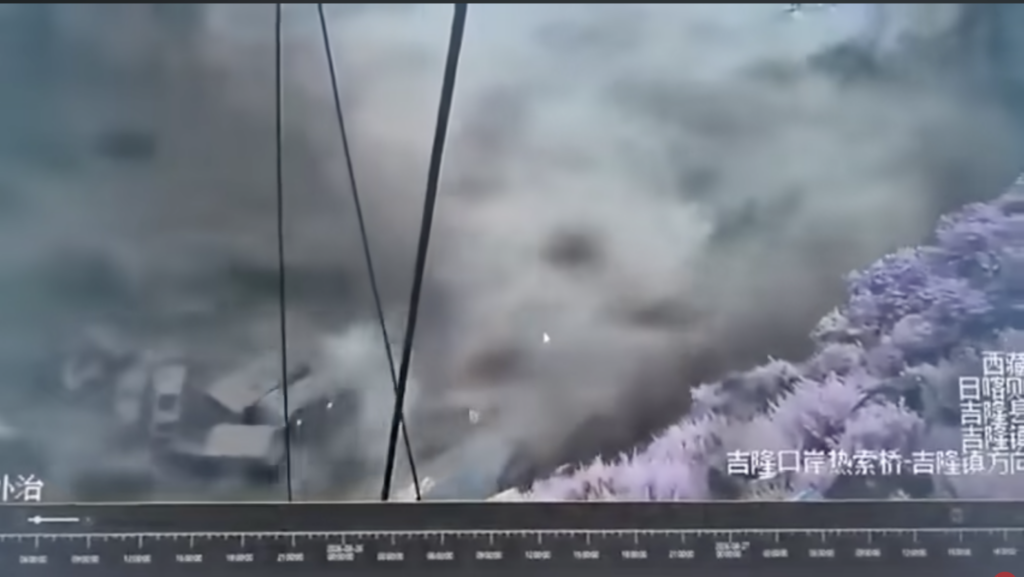
At least 1,114 people are dead and 4,000 remain missing after catastrophic floods and mudslides struck Nepal and parts of China this week. As the region reels from the disaster, CNN has drawn a contentious line from the tragedy back to President Donald Trump — even as its own reporting admits the connection is tenuous at best.
In a September 3 article titled “The Trump administration cut funds for natural hazards monitoring in Nepal,” CNN climate reporter Andrew Freedman reported that the Trump administration in January 2025 cut funding for Project SERVIR-Hindu Kush Himalaya, a program that aimed to identify and monitor landslide hotspots in Nepal. The headline and lede suggest the program’s cancellation left Nepal more vulnerable to the flood. But buried deeper in the piece, CNN concedes the program wouldn’t have changed the outcome.
CNN’s Own Words Undermine Its Narrative
“While the program the administration cut would not have been able to prevent the disaster that happened this past week,” Freedman wrote, “it represented a first step towards making those kinds of protections possible in a future where they are going to be needed more.”
That admission, critics note, directly contradicts the causal implication of the headline. There is zero factual link between the flood and Trump’s funding decision — a point even the program’s experts reportedly agreed with. The Federalist, which first flagged the disconnect, suggested CNN was straining to assign blame.
The story also acknowledged that “Project SERVIR-Hindu Kush Himalaya’s tools and services remain active today through another organization, the International Center for Integrated Mountain Development.” A State Department spokesperson further confirmed that “the US still supports flood mitigation programs in Nepal.”
A Disaster Beyond Early Warning Systems
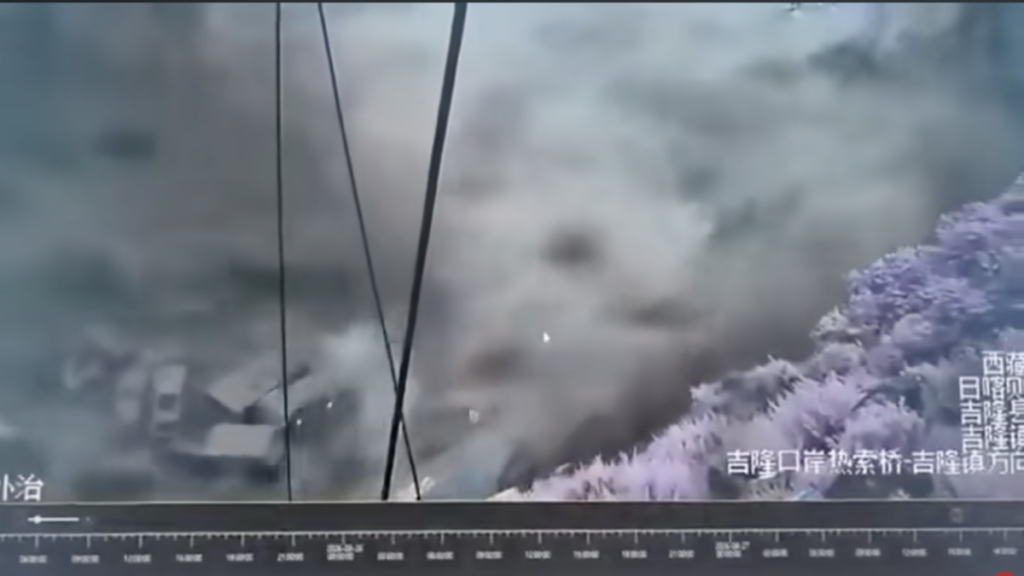
The tragedy unfolded on the morning of August 26 when a massive glacier and rock landslide high in the Himalayas triggered fast-moving floodwaters that slammed into Nepal and China. The SERVIR program — even if fully funded — would likely not have provided early warning for this specific event, according to experts cited in the CNN report. Glacier breakup events of this scale are rare, researchers said, and scientists have yet to establish reliable alarm systems for their occurrence. The program was instead focused on identifying locations where such events might be possible in the future, aiding downstream communities with preparation over the long term.
Freedman’s piece attempted to frame the disaster as a broader climate warning, writing that it “illustrates the growing peril of living in mountain regions like the Himalayas as the planet continues to warm due to climate pollution from human activities. Increasing temperatures are destabilizing glaciers, while also raising the risks of landslides, flash flooding and glacial outburst floods.”
But even that broader climate framing failed to bridge the gap between the canceled program and this week’s death toll.

More Context CNN Buried
CNN also noted that Washington continues to back flood mitigation efforts in Nepal through a separate grant to the World Meteorological Organization. The Trump administration, meanwhile, froze most foreign aid after taking office — a policy CNN implied left Nepal more vulnerable. Yet by the report’s end, Freedman had acknowledged that:
- The canceled program could not have prevented the flood.
- It probably could not have warned anyone the disaster was coming.
- American support for flood preparedness in Nepal did not fully vanish with the program’s cut.
Despite those qualifiers, Trump remained central to the story’s framing.
Criticism Mounts Over Headline vs. Reality
The Federalist, a conservative outlet that covers media bias, argued that CNN’s coverage is misleading. “In other words,” the outlet wrote, “nothing Trump did or didn’t do would have prevented this disaster. There is zero link between the deadly flood and Trump. But Freedman nonetheless tries to find a way to link the stories.”
Adding to the confusion, CNN’s social media post of the article carried a “CLARIFICATION” notice reading: “This headline and story have been updated to better reflect the extent of the Project SERVIR-Hindu Kush Himalaya program.” The initial post appeared to overstate the program’s role, though the updated version still leaned into the Trump angle.
What Project SERVIR Actually Did
The SERVIR-Hindu Kush Himalaya program, per its own website, addressed “critical challenges in climate change, food security, water and related disasters, land use, and air quality.” It was one of several regional hubs under a larger NASA-USAID initiative that helps developing countries use satellite data for environmental decision-making. Its cancellation in January 2025 was part of broader foreign aid cuts.
Researchers told CNN that while the program contributed to understanding landslide risks, the specific glacier lake outburst flood that killed more than a thousand people was not something it could have predicted. “Glacier breakup events are rare enough that researchers can’t yet set up alarm bells for when they happen,” CNN reported citing Birendra Bajracharya, an expert on the program.
Partisan Reaction Emerging
The episode has reignited debate about how news organizations frame disasters in the context of political figures. Supporters of the Trump administration’s aid cuts say CNN’s coverage is yet another example of “blame Trump first” reporting, regardless of evidence. Critics of the administration counter that cutting preparedness programs, even imperfect ones, is shortsighted amid growing climate risks.
For now, the dead and missing in Nepal and China remain the story’s central tragedy. The question of whether U.S. policy choices share any blame will likely persist — but as even CNN conceded, this week’s flood would not have been prevented by the program it says Trump killed.
Source: thefederalist.com — https://thefederalist.com/2026/09/03/cnn-trump-cut-funding-that-would-not-have-stopped-nepal-flood-heres-why-its-still-his-fault/