

Conservative political observers are raising concerns about what they characterize as aggressive progressive organizing in rural America, pointing to recent electoral outcomes as evidence that traditionally Republican strongholds may be vulnerable to shifts in local governance.
According to The Federalist, the issue centers on low-turnout local elections where organized activist networks have successfully elected candidates in communities that typically lean conservative in presidential contests. The analysis suggests that while President Trump won rural America by significant margins, changing demographics and migration patterns are reshaping the political landscape in small-town communities.
The Local Elections Warning
Conservative strategists argue that many Republican voters overlook the importance of down-ballot races, potentially allowing opposition candidates to gain footholds in county and municipal offices. These positions include circuit court clerks who often sign concealed-carry permits, registrars of wills who can appoint estate overseers, county sheriffs, and voter roll managers.
The analysis points to school board races and county council positions as particularly vulnerable, noting that these supposedly non-partisan contests frequently see low voter engagement despite their substantial impact on local policy and taxation.
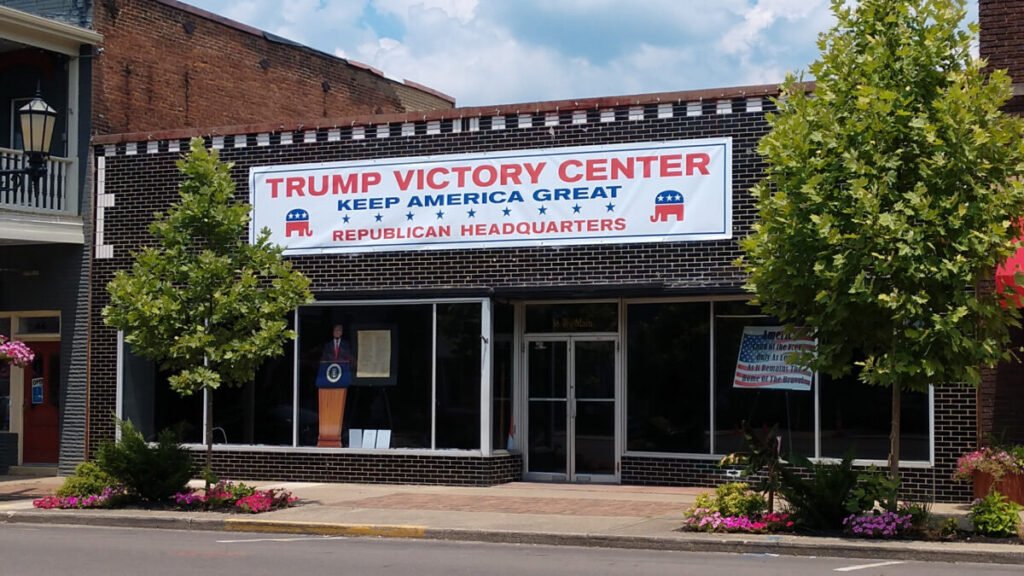
One striking example cited involves Virginia’s 2025 gubernatorial election, where Democratic activists reportedly expanded their statehouse majority from 51-49 to 64-36. According to the reporting, Democrats contested all 100 seats in the House of Delegates, while Republicans left 16 seats uncontested.
Demographic Shifts and Migration Patterns
The conservative analysis identifies two demographic trends affecting rural political dynamics: the resettlement of foreign immigrants in rural areas and the migration of affluent progressive voters from suburban regions into small-town communities.
Despite rural population losses in many regions, the political calculus remains complex. The piece suggests that these demographic changes, combined with organized political efforts, are creating opportunities for electoral shifts in areas previously considered safely Republican.
Strategic Recommendations for Conservative Voters
The article presents several tactical suggestions for right-leaning voters concerned about maintaining conservative governance in rural areas. Chief among these is increased attention to local party leadership positions, which in some jurisdictions require election during gubernatorial primaries.

Conservative strategists recommend active candidate recruitment for local offices, even in races considered difficult to win. The rationale is that having a candidate on the ballot prevents voter demoralization and forces opposing campaigns to divide resources across more contests.
The analysis also highlights civic engagement through community organizations such as Rotary clubs, Ruritan chapters, and Lions Clubs as venues where political networking occurs. Appointments to local boards and commissions, including library boards, planning commissions, and various advisory bodies, are identified as positions where politically engaged citizens can influence community direction.
The Obama Factor
According to The Federalist, former President Barack Obama launched a “Change Collective” initiative in 2023 focused on developing local civic engagement and connecting community activists. The program emphasizes that political change happens “one person, one community, one connection at a time.”
Conservative observers view this as evidence of coordinated progressive organizing at the grassroots level, contrasting what they describe as organic conservative community involvement with what they characterize as astroturfed left-wing activism.
Business and Cultural Influence
The analysis extends beyond electoral politics to economic and cultural spheres, noting that progressive newcomers to rural communities often establish community-focused businesses including coffee houses, breweries, bookstores, and art galleries. These establishments frequently join local Chambers of Commerce, potentially amplifying their influence with municipal governments.
The piece encourages conservative entrepreneurs to establish similar businesses that reflect traditional values, and suggests that conservative-minded residents patronize establishments aligned with their political views.
Financial Transparency Concerns
Campaign finance tracking emerges as another recommended tactic, with the article pointing to tools like one developed by The Pamphleteer in Nashville that tracks funding sources for local council members. Conservative activists argue that revealing outside funding for local candidates can influence voter perceptions.
The Turnout Imperative
Throughout the analysis, voter turnout emerges as the critical variable. The piece cites the recent defeat of a Republican incumbent in Butler County, Pennsylvania—described as deep red territory—as evidence that even seemingly safe conservative seats can flip when turnout falters.
Rather than advocating relocation to more politically aligned areas, the strategic recommendation emphasizes “standing ground” in contested communities. Some rural Virginians have proposed annexation to neighboring West Virginia, but the analysis suggests such moves simply shift the battlefield without addressing underlying organizational challenges.
The overarching message frames local election outcomes as foundational to broader political success, arguing that capture of bottom-ballot offices creates farm teams for higher offices and gradually shifts the political composition of entire regions.
As midterm elections approach, conservative political organizations are emphasizing that rural America’s political future depends substantially on voter participation in the often-overlooked races that appear at the bottom of ballots—contests that many voters historically skip or vote in without researching the candidates.
Source: thefederalist.com — https://thefederalist.com/2026/10/30/heres-how-rural-and-small-town-america-can-resist-hostile-left-wing-takeovers/