
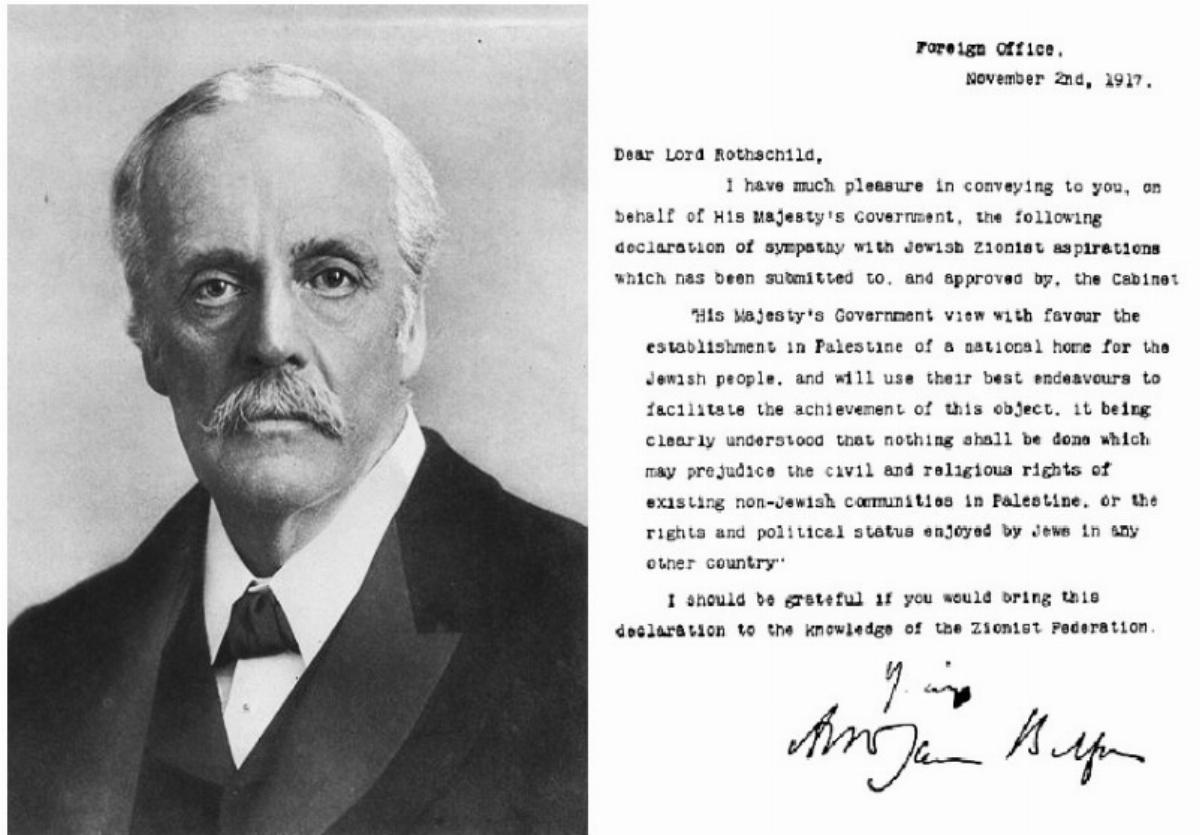
Should Israel and its neighbors radically redraw their borders to achieve lasting peace? That’s the incendiary proposal in a recent American Thinker op-ed arguing that human beings, by nature, rebel against confinement—and that current Middle Eastern borders are a pressure cooker destined to explode.
The Case Against Confinement
The article, penned by former aerospace CEO Matthew G. Andersson, contends that the 1917 Balfour Declaration and subsequent U.N. partition plan set the stage for perpetual conflict by cramming an ethno-religious state into what he calls an unsustainable “fenced-in compound.” Drawing parallels to U.S. expansion—from the Louisiana Purchase to westward growth—Andersson asserts that stability requires space.
Historical Precedents—or Flawed Analogies?
The piece provocatively suggests Israel should acquire vast swaths of territory from Saudi Arabia, Syria, and Turkey, creating a contiguous landmass linking to Ukraine (which he dubs “North Israel”). Arab states, he argues, must also cede land for Palestinian claims, expanding the “pie” rather than fighting over slices. Critics might counter that 19th-century land grabs hardly offer a moral or practical blueprint for today’s world.
A Realpolitik Solution?
Echoing political theorist Hans Morgenthau, Andersson frames territorial expansion as inevitable human behavior, not imperialism. With Middle East tensions escalating, he warns that only a “rational land agreement” can prevent all-out war—implying current U.S. leadership could broker such a deal. Whether policymakers take this audacious proposal seriously remains to be seen.
Source: www.americanthinker.com — https://www.americanthinker.com/blog/2026/11/confinement-leads-to-war/
Background and context
The latest developments around Controversial Op-Ed Suggests Redrawing Middle East Borders to Prevent War come amid a broader debate over opinion, institutional accountability, and the policy choices that shape everyday life. Understanding the immediate facts is only the first step; the wider impact depends on how officials, institutions, and the public respond in the days and weeks ahead.
FedFront’s coverage focuses on verifiable details, identifiable sources, and the practical consequences of political decisions. Readers should review official statements, primary documents, and court or agency records before drawing final conclusions about any disputed claims.
Why it matters
Stories like this can influence legislation, regulatory enforcement, public trust, and the balance of power between government institutions. Even when the immediate headline fades, the underlying policy, legal, or political questions often continue to shape future decisions.
What to watch next
- Official responses, statements, or policy changes
- Legislative, regulatory, or court action
- Follow-up reporting and independent verification
- Public reaction and broader political fallout
FedFront will continue monitoring this story and update coverage as new information becomes available.
Source: www.americanthinker.com
Related coverage
- Shapiro accused of politicizing Pa. measles deaths for national stage
- American Thinker Essay Claims DSA Is Following a Marxist Playbook of Deception and Violence
- American Thinker Slams Obama’s ‘Women in Charge’ Fantasy as Delusional, Citing History and Backlash
- BBC: Half a Million US-Funded Weapons From Afghanistan Now Unaccounted For, UN Fears al-Qaeda Access