
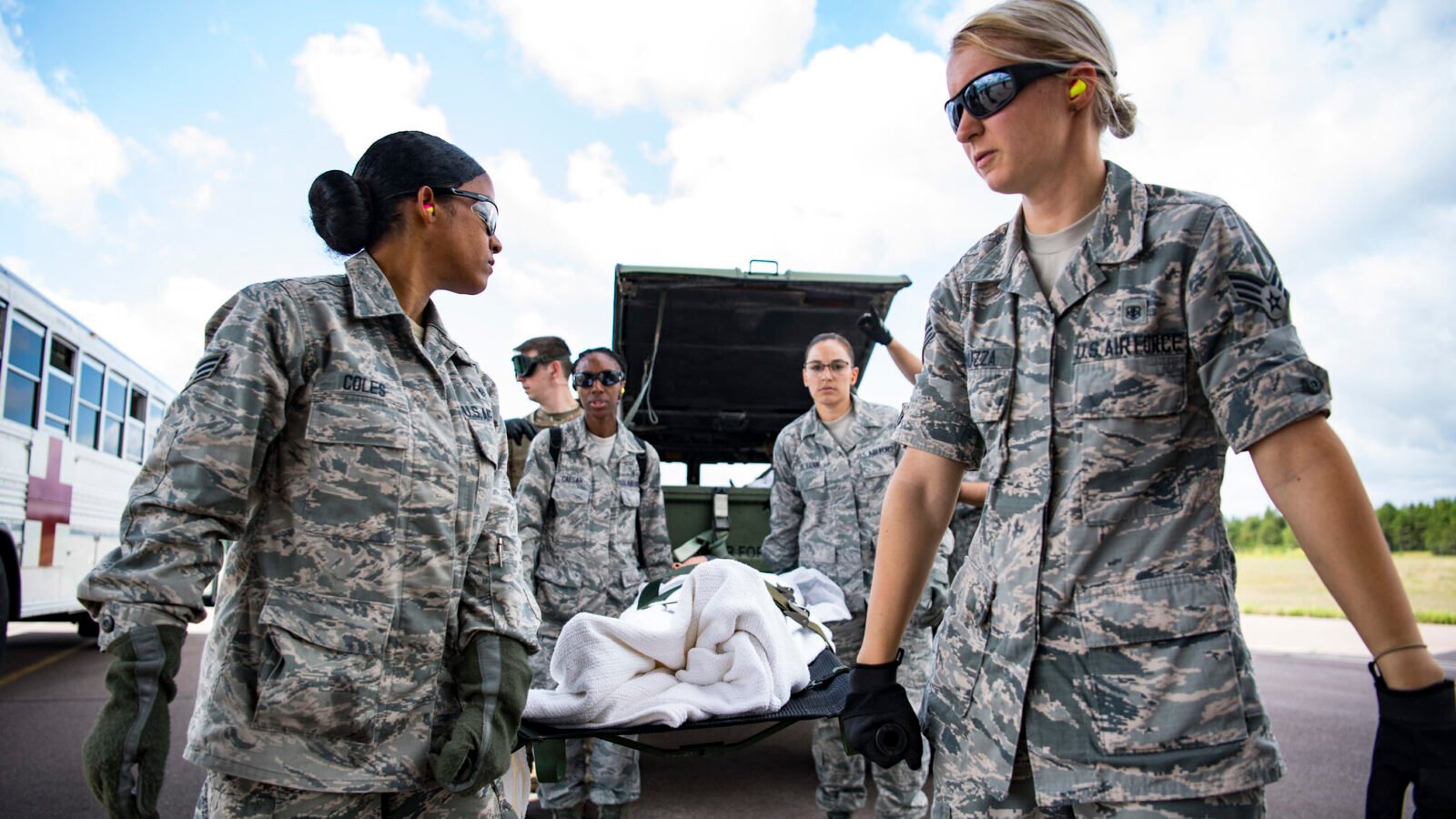
The Pentagon is rolling out a three-year pilot program later this month that will cover the costs of freezing eggs and sperm for service members — a move critics say sidesteps the underlying policy questions about women in combat while adding another layer of complication to military family life.
According to The Federalist, the program launches Sept. 14 under the Veteran Families Health Services Act of 2025 and will reimburse up to $500 for sperm freezing and up to $10,000 for egg cryopreservation for service members who meet deployment or separation requirements.
A Long-Standing Democratic Push
The initiative marks the culmination of a yearslong effort by Democratic lawmakers to expand fertility services in the armed forces. In 2018, Rep. Rick Larsen, D-Wash., called IVF the “most effective form of assisted reproductive technology” for troops whose fertility had been affected by their service. But critics contend that the push has been a politically motivated distraction rather than a genuine solution to the challenges women face in the military.
The Federalist’s reporting describes the pilot as a “negligent” expansion of reproductive efforts that will “disassociate military women from maternal family roles” and add strain to already stressed military families.
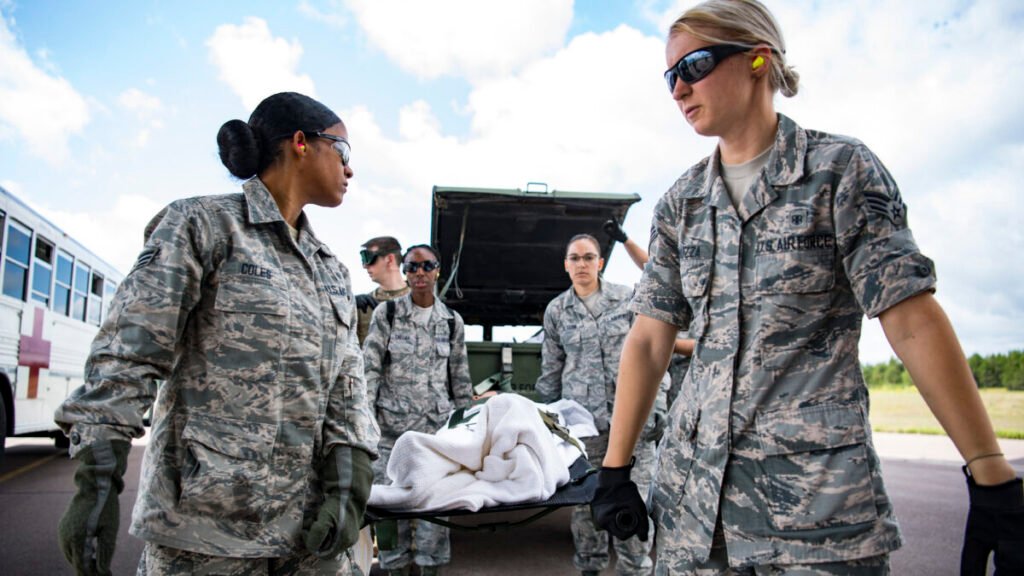
Women in Combat: A Controversial Shift
Women have served in non-combat roles since the Army Nurse Corps was established in 1901, but the landscape changed significantly in 2013 when then-Defense Secretary Leon Panetta lifted the ban on women in combat positions, a move supported by President Barack Obama. By 2016, the military had effectively eliminated gender-specific role restrictions.
However, The Federalist argues that the exclusion of women from combat roles was justified, pointing to the direct risks of injury and death, as well as the realities of forward operating bases that often lack separate housing or privacy between the sexes. The outlet also cites experiential hardships — including lack of food and sleep — that it says disproportionately harm women.
The piece takes aim at a small-scale study of Army Rangers suggesting women are less physiologically affected by rigorous training than men, calling it an “insufficient apples-to-oranges comparison” that should not be used to place excessive physical strain on women in the military.
The Consequences for Military Families
The Federalist reports that a decade after “integration,” women who entered combat in their peak fertility years are now aging out of childbearing or nearing the end of their fertile years. The possibility of deployment, the outlet suggests, has pushed many military women to start families after age 35, further reducing their chances of conceiving naturally.

The outlet is blunt in its assessment: “As infertility continues to disproportionately plague women in service, IVF serves as an expensive, politically driven distraction.”
Proponents of the pilot program have praised it as “an important step … guaranteeing that members of the military have the support they need to have children.” But The Federalist disputes this framing, arguing that extending coverage to service members who may be separated from a “spouse, domestic partner or dating partner” only encourages atypical family situations that contribute to less stable families and higher stress.
Divorce rates among service members are already significantly higher than the general public, the outlet notes, and military health coverage was designed around traditional family units — not the increasingly nontraditional situations that fertility programs like this one might foster.
Complicated Questions Remain
One of the most troubling aspects of the program, according to The Federalist, is the requirement that participants provide advance directives for the handling of their “genetic material” in the event of death. The added risk of maternal death downrange leaves complex questions about what happens to stored eggs or sperm — and raises uncomfortable scenarios about the potential loss of a parent before a child is even born.

The outlet also points to increased rates of poor health outcomes in children born through IVF as a serious consideration that has been largely overlooked.
A Growing Rift Over Military Policy
The Federalist notes that Republicans have effectively blocked military-wide coverage of IVF but have failed to stop the creep of subsidiary programs like the one launching this month. The result, the outlet argues, is a series of losses: loss of improved health for military women, loss of funding support for stable family structures, and the potential loss of a parent before a child’s birth.
“The program is one in a long line of policy failures passed in the name of ‘equity’ disserving women,” the outlet concludes.
As the pilot program moves forward, the debate over women’s roles in the military and the government’s responsibility to support service members’ family-building efforts is unlikely to fade. With the program set to run through 2028, its effects on military personnel and their families will be closely watched by both supporters and detractors.
Source: thefederalist.com — https://thefederalist.com/2026/09/04/democrats-invite-women-to-freeze-their-eggs-so-they-can-go-fight-wars/