
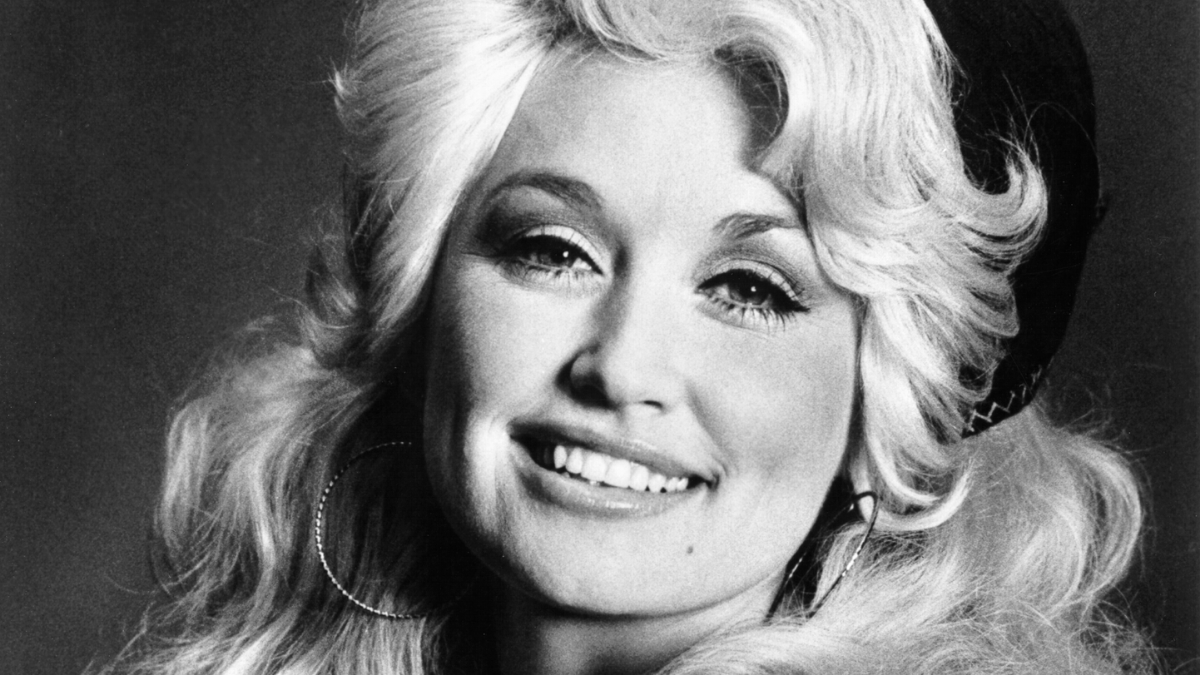
When Dolly Parton passed away, the world lost more than a music icon—it lost a living emblem of Southern womanhood. In a heartfelt reflection published by The Federalist, writer Sarah Hancock recalls what Parton meant to generations of women who grew up admiring her blend of toughness, grace, and unmistakable femininity.
Hancock opens her tribute by remembering two defining images of Parton: a glossy photo in Southern Living that inspired her teenage makeup experiments, and Parton’s unforgettable role as Truvy Jones in the 1989 classic Steel Magnolias. The film, packed with beloved archetypes of Southern women, features Parton as the beauty shop owner whose wit is as sharp as her eyeliner.
“Louie brought his new girlfriend over, and the nicest thing I can say about her is all her tattoos are spelled correctly,” Truvy quips in one of the film’s most memorable lines. Another: “There’s so much static electricity in this room, I pick up everything but boys and money.”

But as Hancock notes, Parton’s real-life humor matched her on-screen persona. A clip circulating after her death shows her answering rapid-fire questions with characteristic quickness. When Michael Strahan asked what she does first thing in the morning, she deadpanned: “Uh, I usually get up, put on my clothes, and go home.”
Strength and Femininity in Equal Measure
Hancock argues that Parton embodied a rare combination—strong and feminine at once, never abrasive or mannish, always warm and fiercely independent. She resisted the feminist label, once indignantly insisting she loved men. Yet her career was nothing short of revolutionary, breaking barriers without ever acting like she had something to prove.
Her signature wigs, heavy makeup, and famously exaggerated figure were part of a deliberate, cheeky celebration of womanhood. When a young fan once asked if she ever wished she’d been born a man, Parton laughed and replied that if she had, she’d have ended up a drag queen.
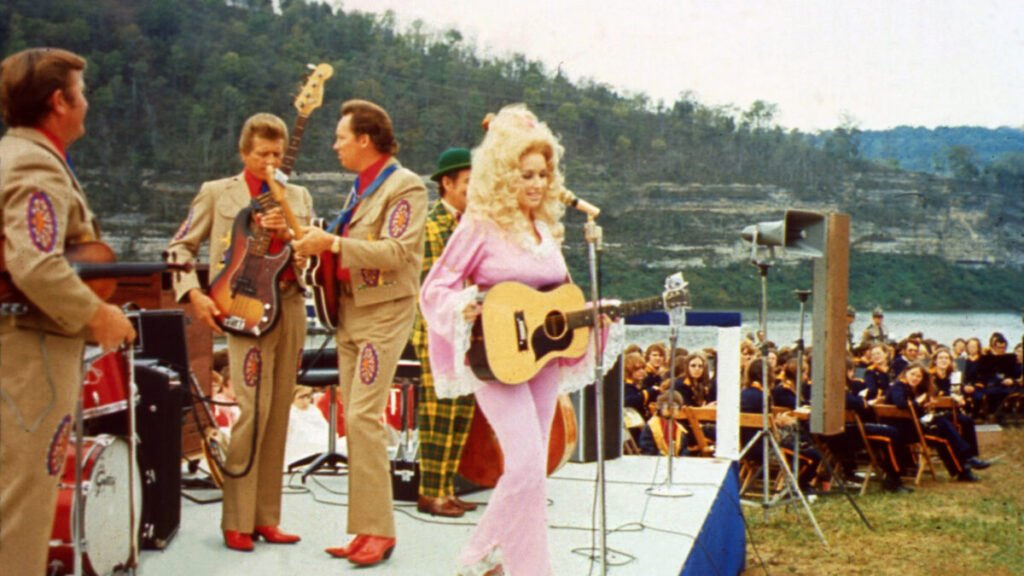
This disarming femininity—confident, humble, and never to be underestimated—resonated deeply with the Southern women Hancock grew up admiring. They worked hard without complaint, took their Christian faith seriously, and believed being a woman was a gift to be enjoyed, not an obstacle to be overcome.
Roots and Resilience
Parton’s rural Tennessee upbringing shaped her, and she never lost touch with those roots. Hancock recalls a beloved woman in her own town—referred to simply as “Ms. Ann” in her obituary—who, like Parton, ate squirrel in her youth and became one of the most accomplished ladies the town had ever raised.
These matriarchs, like Parton, came of age during the feminist revolution but found their greatest power at home, in their families and communities. Hancock’s own grandmother left a promising career in missile intelligence at the height of the Space Race to start a family—and called it the joy of her life.
Parton and her husband, Carl Dean, never had biological children, though she hinted they were unable. Instead, she poured her motherly energy into her extended family and her beloved Tennessee community, from the Imagination Library to Dollywood and countless personal investments in young people around her.
“She felt a debt of love to the world that raised her,” Hancock writes, “and unlike so many stars, spent her whole life embracing her humble roots.”
A Legacy of Joy
Above all, Parton left the impression that she was simply grateful to be here. Her character in Steel Magnolias may have declared there’s “no such thing as natural beauty,” but Parton’s own joie de vivre proved otherwise.
“May we all be so lucky to know, become, and raise women like her,” Hancock concludes.
Source: thefederalist.com — https://thefederalist.com/2026/08/26/dolly-parton-was-the-ultimate-southern-woman/