
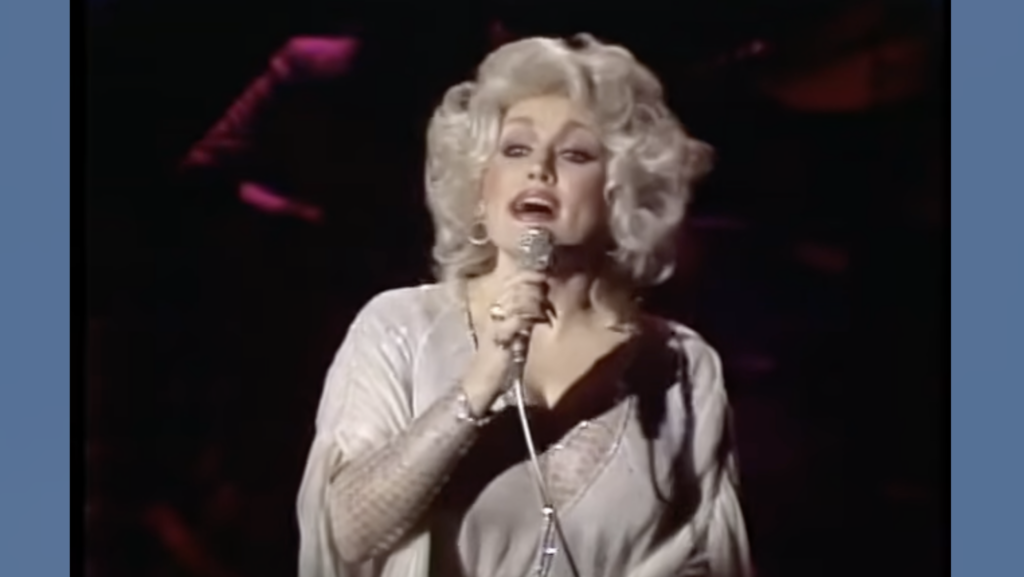
Dolly Parton is gone. The legendary singer-songwriter passed away Tuesday at the age of 80, leaving behind a musical legacy that defies easy summary. For decades, her songs served as a soundtrack to American life — heartbreak, joy, longing, and everything in between. But as The Federalist notes in a new tribute, Parton’s catalog was never just a collection of catchy tunes. It was something far deeper: a masterclass in channeling raw, genuine emotion through music.
“Feeling heartbroken? Listen to ‘I Will Always Love You.’ Feeling in love? ‘Islands in the Stream,’” the outlet writes, capturing how Parton seemed to have a song for every moment. Yet even that versatility wasn’t what made her extraordinary. What set her apart was an ability — rare in any generation — to sing with such sincerity that every word felt lived-in. Whether she wrote the song or simply performed it, Parton made it hers.
A Song Born From a Difficult Goodbye
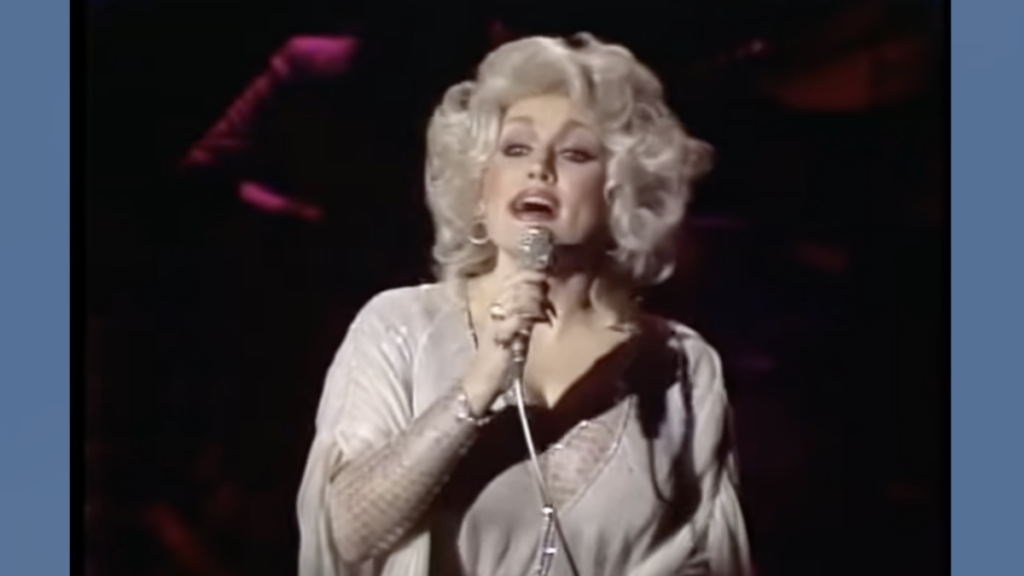
Perhaps no track better illustrates that gift than “I Will Always Love You.” Parton wrote the song as a way to tell her business partner she was leaving to pursue a solo career. According to Parton’s own recollection, she realized she couldn’t find the words to express her gratitude and her need to move on. “How am I going to make him understand how much I appreciate everything, but that I have to go?” she reportedly said. “I thought, well, what do you do best? You write songs. So I sat down and I wrote this song.”
The song is now inseparable from Whitney Houston’s powerhouse rendition, which became one of the best-selling singles of all time. But as The Federalist argues, “I Will Always Love You” will always belong to Parton — and her version, not Houston’s, is the definitive one. Not because Parton wrote it, but because the emotional authenticity in her voice simply cannot be replicated, even by a vocalist of Houston’s caliber. “There was something raw and vulnerable in Parton’s voice that even Houston couldn’t recreate,” the outlet observes.

That song also produced one of the great what-if moments in music history. Elvis Presley wanted to cover it. Parton was thrilled — according to the BBC, she told the King, “You cannot imagine how excited I am about this. This is the greatest thing that’s ever happened to me as a songwriter.” But then Presley’s manager demanded she hand over half of her songwriting rights. Parton refused. She understood that the value of her song was far greater than having the King recreate it.
The Songs She Didn’t Write, But Made Hers
Parton’s catalog includes plenty of songs she didn’t pen — and yet listeners would never guess. Tracks like “You’re The Only One,” “Happy, Happy Birthday Baby,” and “Islands in the Stream” are so infused with Parton’s personality that they feel like originals. As The Federalist puts it, you could play them on repeat without ever wanting to turn the volume down. Parton’s gift was making you believe she was living the scenario she sang about. That authenticity made her relatable, and it’s a quality most singers can never capture. “It sounds insignificant,” the outlet notes, “until you remember that most singers can never capture the raw emotion that it takes to make a song feel like it came straight from the heart.”
‘Jolene’ and the Power of Vulnerability
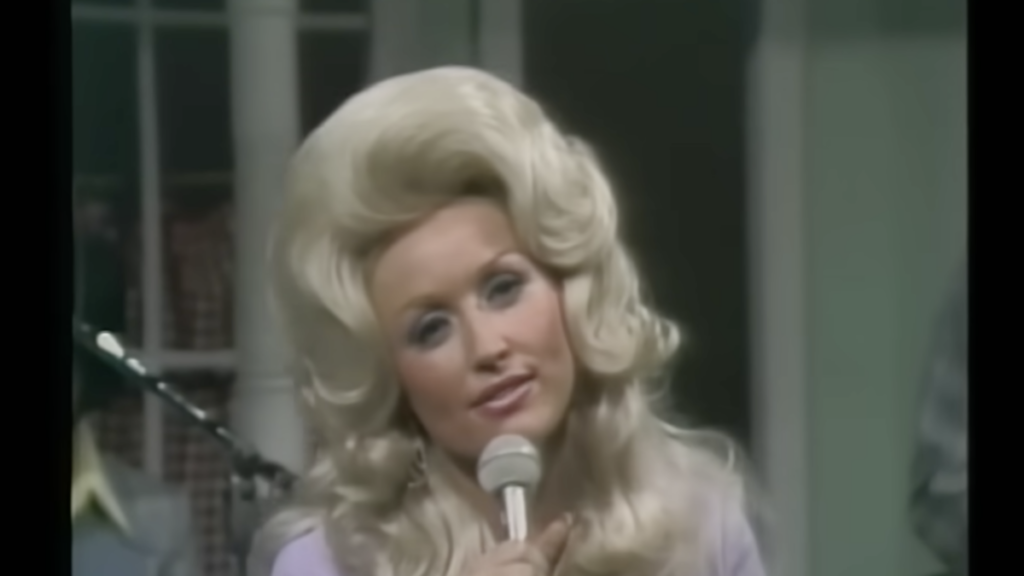
When Parton did write her own songs, she proved time and again why she belongs in the pantheon of great American songwriters. “Jolene” is perhaps the most famous example. Inspired by a real moment — Parton noticed a woman checking out her husband, Carl Dean — the song is a direct, vulnerable plea: “please don’t take [my husband] just because you can.” That raw, unguarded emotion is why it still resonates with listeners, especially women, decades later.
‘Coat of Many Colors’: A Declaration of Roots
But the song that may best capture who Parton was — and what she stood for — is “Coat of Many Colors.” Parton grew up in a one-room house in Tennessee, one of 12 children. She had little by way of material wealth, but she never treated her upbringing as a source of shame. The song tells the story of how her family received “a box of rags” that her mother used to sew a coat for her. Each piece was small, but her mother stitched them together with love, and Parton wore that coat with pride — even when she was mocked at school. Her message: the coat was worth more than the clothes of her classmates because it was made with love and blessed by her mother.
That song was more than a childhood memory. It was a public declaration that Parton would never turn her back on her family or the roots that shaped her. At a time when Americans are constantly told to feel ashamed of their history and heritage, “Coat of Many Colors” serves as a reminder that roots can produce something beautiful. As The Federalist puts it, “heck, they created Dolly.”
A Legacy Beyond Measure
Parton’s death leaves a void that no one can fill. Her music touched millions — from the vulnerable plea of “Jolene” to the tender farewell of “I Will Always Love You” to the unapologetic pride of “Coat of Many Colors.” She was an accomplished songwriter, a gifted performer, and a woman who understood that the most powerful thing an artist can offer is sincerity.
As The Federalist concludes, the thanks she’s owed for her contributions to music history cannot be measured. But one thing is certain: the world will always love you, Dolly Parton.
Source: thefederalist.com — https://thefederalist.com/2026/08/25/dolly-partons-catalog-is-more-than-just-catchy-tunes/