
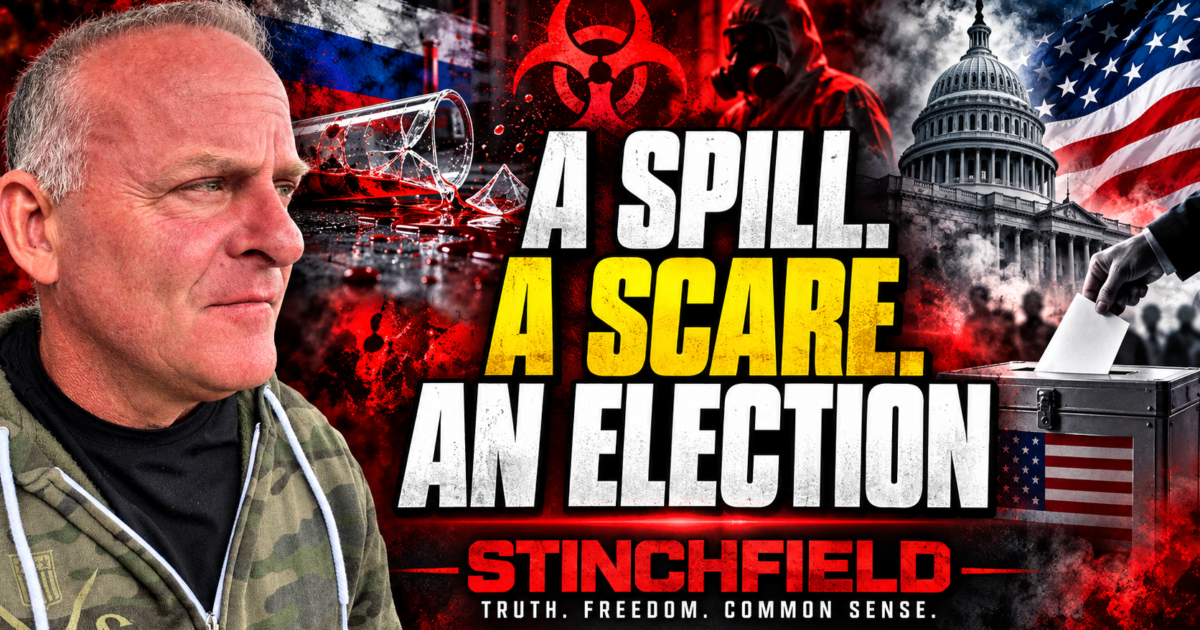
Reports out of Siberia of a possible laboratory accident involving plague are drawing fresh attention — and fresh skepticism — as the U.S. midterms approach, with one prominent media host asking whether an unconfirmed health scare could be turned into a political tool.
In a segment flagged by The Gateway Pundit under the headline “Plague Before the Polls? Can Russia Even Be Trusted? Dr. McCullough Weighs In,” host Grant Stinchfield said a dead laboratory worker and nearly 200 people under observation have raised questions about whether plague escaped a Russian facility. Neither the suspected spill nor pneumonic plague has been confirmed, and Russian authorities have denied that a laboratory accident occurred.
What is known — and what is not
The source material is unusually thin on verifiable detail. There is no confirmation of a spill, no confirmed diagnosis of pneumonic plague, and no independent accounting of the roughly 200 people said to be under observation. What exists instead is a set of alarms raised by reports from Siberia that Russia’s government has publicly rejected. The Gateway Pundit’s own framing acknowledges the gap: the outlet states outright that neither the spill nor pneumonic plague has been confirmed.
Stinchfield went further than the available evidence, writing that he fears “it could be something far worse than pneumonic plague.” That is an expression of suspicion, not a reported finding, and it runs ahead of what any confirmed source has established.
The political question
The more concrete argument in the segment is not medical but political. With the midterms weeks away, Stinchfield drew a direct line from the COVID-19 pandemic to what he described as politicians using the crisis to expand their power and rewrite election rules. He asked whether another health scare could serve the same function.
“In my view, that question deserves scrutiny,” he wrote.
It is a familiar line of argument in parts of the right-leaning media ecosystem, where pandemic-era emergency measures — expanded mail voting, public health mandates, emergency spending — remain a live grievance. Casting an overseas laboratory incident as a potential domestic political weapon is a way of pre-arguing against any future public health response before one is even proposed.
Whether the Siberia reports amount to anything is, at this stage, unknown. But the timing is what makes them politically salient: an unresolved overseas incident, arriving in the final stretch of a U.S. election campaign, with a public already primed by four years of arguments over pandemic authority.
McCullough’s role
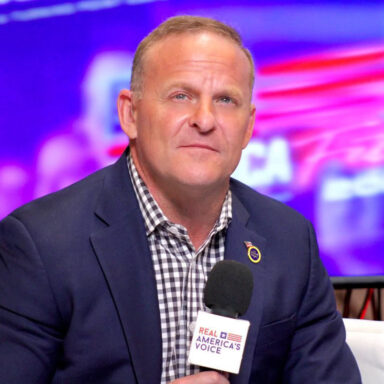
The segment features Dr. Peter McCullough, who has become a prominent voice in COVID-19 vaccine skepticism and who has repeatedly called for the closure of what he and allies describe as bio-labs worldwide. Stinchfield said McCullough walks through “why it’s time to shut down Bio-Labs worldwide” and breaks down what he calls the unanswered questions.
The program posed three questions as its organizing frame: What happened inside the lab? Why is Russia taking what Stinchfield describes as unprecedented actions? And what would signal that a danger has crossed a border?
None of those questions are answered with confirmed facts in the source material. They function instead as a framework for scrutiny of Russian transparency — a subject where the host’s own framing, “Can Russia Even Be Trusted?”, telegraphs the answer he expects.
Why Moscow’s denials carry weight — and don’t
Russian authorities have denied a laboratory accident, a denial that in the current geopolitical climate will be treated by many Western observers as insufficient on its own. Russia’s record of opacity around military and scientific facilities, and its invasion of Ukraine, have eroded the baseline assumption of good faith that normally accompanies an official statement.
At the same time, an unverified report is still unverified. Suspicion of Moscow is not evidence that a spill occurred, and a dead worker plus a group under observation is consistent with any number of explanations, from an unrelated occupational death to a precautionary quarantine. The responsible position at this stage is that the incident is unconfirmed — a position the source material itself states.
The election-season dynamic
What makes the segment worth noting is less the science than the political posture. Stinchfield is explicit that his concern is not only Russian behavior abroad but how a health scare could be wielded at home. That framing invites listeners to view any official response with suspicion — a posture that could complicate public health messaging if a genuine threat ever materialized, and one that could equally be used to discredit legitimate warnings.
There is no evidence in the source material that any U.S. political figure or agency is preparing to use the Siberia reports for electoral advantage. The connection is speculative, presented as a question rather than a finding.
For now, the concrete facts remain limited: a reported death, a reported group under observation, a Russian denial, and a swirl of questions with no confirmed answers. The midterm context supplies the political charge, but not the proof.
Source: www.thegatewaypundit.com — https://www.thegatewaypundit.com/2026/10/plague-before-polls-can-russia-even-be-trusted/