
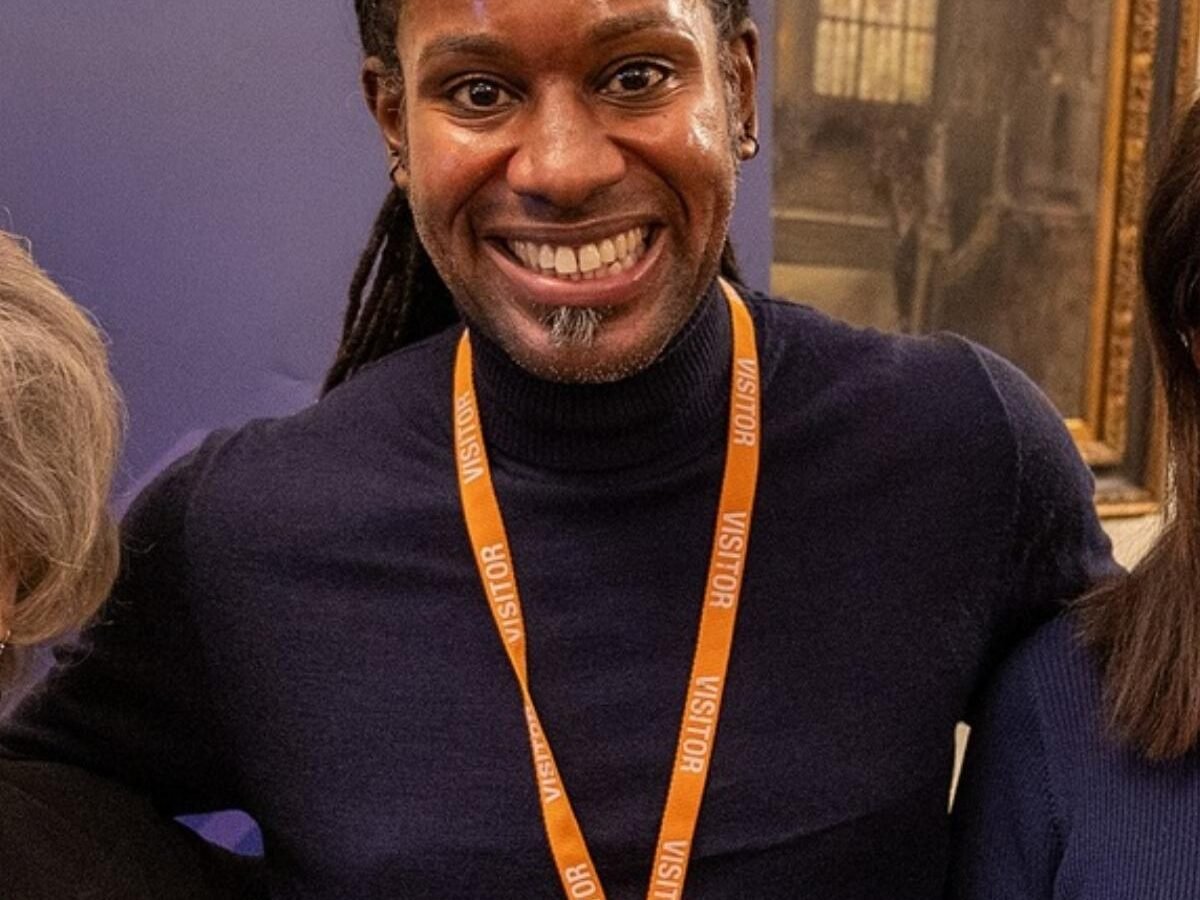
The death of Jason Arday, a Black Cambridge professor who overcame severe early-life disabilities, has prompted an outpouring of grief — and, according to conservative writer Christopher Chantrill, a predictable round of finger-pointing. Writing for American Thinker, Chantrill claims that “liberal friends” are already blaming “critics” for Arday’s death, but he insists the left itself is responsible.
“I’m here to tell our liberal friends, echoing the immortal linguist Col. Pickering, ‘you did it!’” Chantrill writes, invoking the character from My Fair Lady.
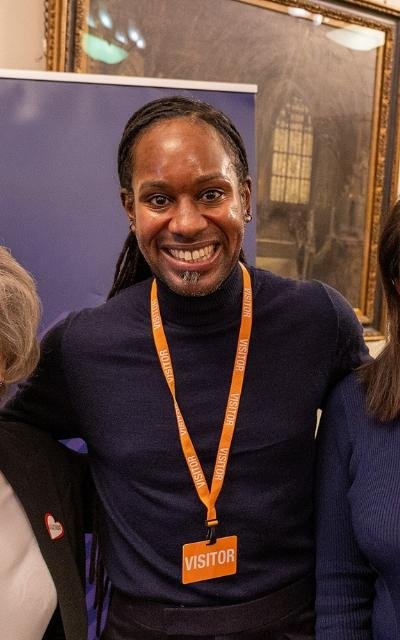
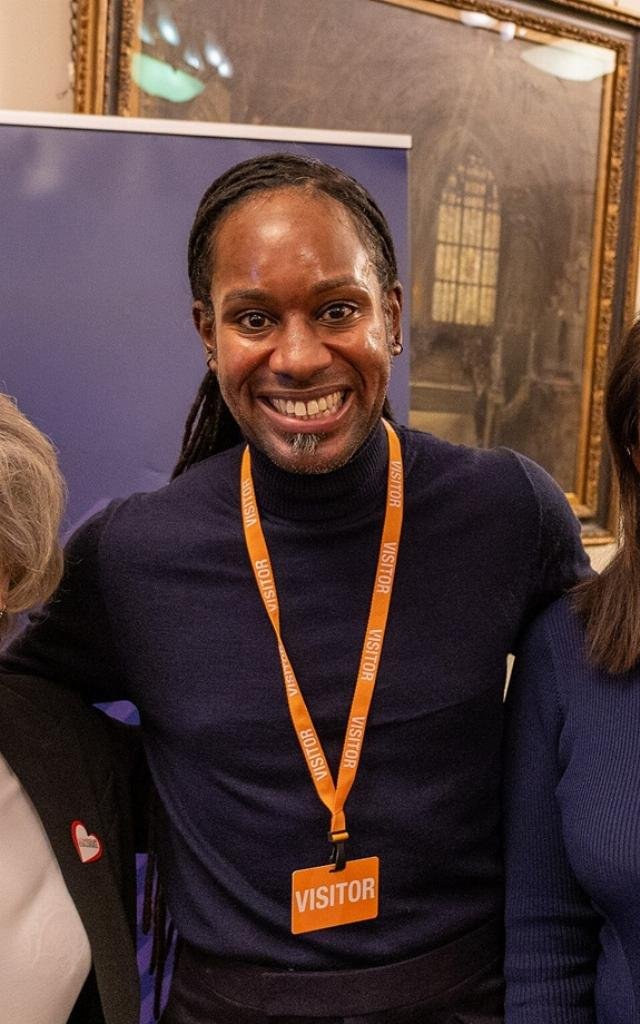
Arday, who died in August 2026, was a professor at the University of Cambridge. According to a Guardian report cited by Chantrill, Arday was born in south London social housing, diagnosed with autism and global developmental delay at age three, and unable to speak until age 11. He could not read or write until 18. Despite these challenges, he built an impressive academic career focused on race and education, and also raised money for charity and ran marathons.
Chantrill’s argument is sweeping: the entire arc of left-wing politics, from Marx and Engels onward, has been about “fighting” for the oppressed — but in every case, he says, the left has made things worse.
He offers a litany of examples. Government education, he says, is “an utter waste” except for those who profit from it. Welfare, he charges, destroys low-income families. Unions and wage-and-hour laws have left industrial workers worse off, while government employees grow fat on taxpayer dollars. Women’s liberation, in his view, ignores the primacy of motherhood and family. Civil rights, he concedes, had “one shining moment,” but then devolved into affirmative action, quotas, and DEI, which he says harmed Black Americans. Even marriage equality comes in for criticism, with Chantrill warning that driving off “Route Marriage-and-Children” leads to a wilderness.
Anticipating accusations of bigotry, Chantrill brushes them aside with a dismissive “I don’t really care, Margaret” — a reference to The Prisoner.
The Arday case, he argues, exposes the “utter bankruptcy” of the educated-class culture. He notes pointedly that Arday’s PhD supervisor was Philip Vickerman, “a professor of inclusive education and learning.” Chantrill sarcastically suggests that experts believe inclusive education will transform the world “just like Einstein and AI.”
Chantrill draws a historical parallel to Amelia Earhart, whose marriage to publisher George P. Putnam he says was driven by modern publicity. In the 1920s and ’30s, he says, the “total liberation of women into the male sphere” was the fashionable cause. Today, he argues, the fashionable cause is lifting a Black person to the heights of academia — “ably assisted by a few of the Right People.”
The column then pivots to a broader critique of left-wing ideology, citing a statement from Venezuela’s Acting President Delcy Rodriguez commemorating Fidel Castro on the centenary of his birth. Rodriguez praised Castro as a leader who “transcend time” and was committed to “dignity, social justice, sovereignty, and solidarity.” Chantrill counters that Castro “was a complete failure at everything except destroying Cuba and impoverishing, jailing and murdering his own people.” He asks readers to decide which version is reality.
To explain such divergent worldviews, Chantrill introduces the concept of “closure beliefs” from Bjorn Merker’s book Perishing Promise. A “closure belief” is, in his words, “one that you are not allowed to question.” For the left, he says, the fundamental closure belief is that liberals are virtuous because they fight for the oppressed against “white male oppressors” and that they can save the world through politics and government programs. Disagreeing, he says, brands you a racist-sexist-homophobe.
He predicts that this closure belief will eventually be “blown up,” just like the Divine Right of Kings, and warns that the only question is “the size of the butcher’s bill.”
The column ends with a reference to Ibram X. Kendi, the antiracist author and professor, whose work has been central to DEI debates. “At last! Ibram X. Kendi has spoken. ‘That is final,’” Chantrill writes, though he does not elaborate on what Kendi said.
Chantrill, who blogs at The Commoner Manifesto and runs usgovernmentspending.com, is known for his fiscal conservatism and cultural commentary. His take on Arday is likely to draw sharp reactions from both sides of the political divide.
As the debate over Arday’s legacy continues, his remarkable journey from a nonspeaking child to a Cambridge professorship stands as a testament to individual perseverance — and, depending on one’s politics, to either the failures or the successes of the systems around him.
Source: www.americanthinker.com — https://www.americanthinker.com/articles/2026/08/jason-arday-you-did-it-liberals/