
New York City’s plan to open taxpayer-funded grocery stores could end up costing residents twice — once to build the city-run shops, and again to compensate the private grocers they put out of business.
In an interview this week, a senior official with the NYC Economic Development Corporation (NYCEDC) confirmed that the city is considering grants for independent grocery stores that lose revenue to the subsidized municipal markets. The revelation has sparked criticism that the policy is both fiscally reckless and self-defeating, with taxpayers funding both sides of the same competition.
Grants for ‘Complementary’ Competition
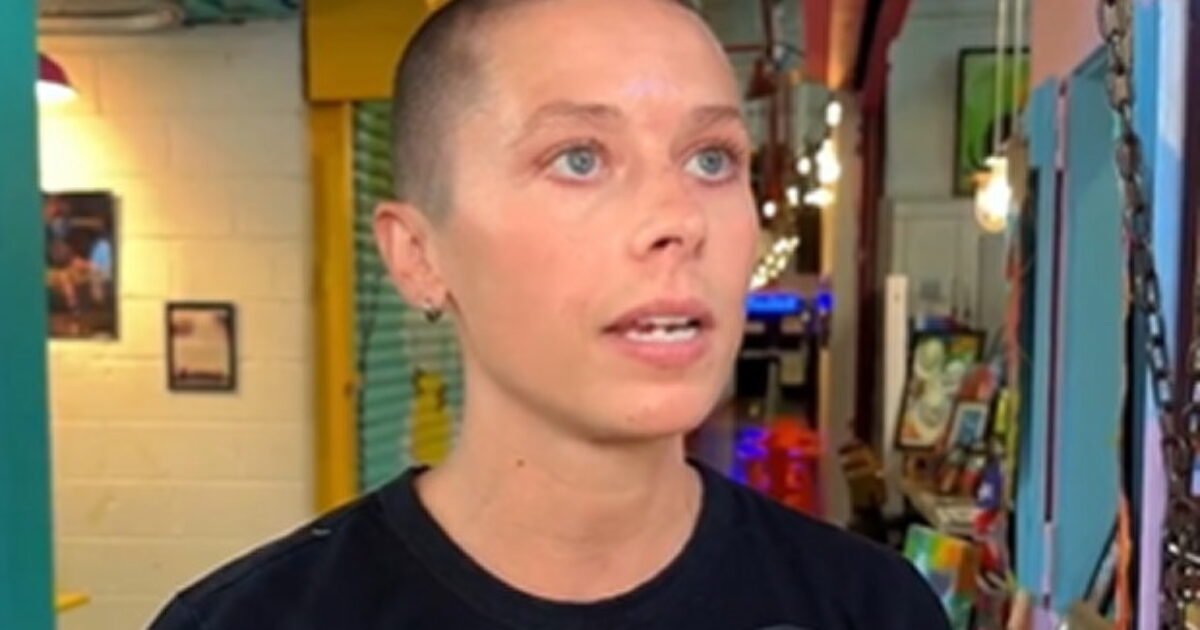
Waverly Neer, a senior vice president at NYCEDC, which is overseeing the rollout of city-owned grocery stores championed by mayoral candidate Zohran Mamdani, told Spectrum News NY1 that officials are exploring “a number of different complementary policies and programs, grants, incentives that can come alongside these grocery stores to support other, you know, local independent businesses.”
When pressed by reporter Dan Rivoli on whether that meant other grocery stores could receive city grants, Neer responded: “[That’s] something on the table.”
Neer framed the approach as a way to keep the municipal stores from cannibalizing neighborhood businesses. “I think ultimately the goals of these locations, not just here in East Harlem, but you know, any borough location is to be complementary to the neighborhood,” she said. “And really, you know, rising tides, right? We can we can all cooperate and work together in a meaningful way.”
A Double-Dip for Taxpayers
Critics argue the logic is circular: The city uses taxpayer dollars to open subsidized grocery stores that undercut private competitors on price, and then, when those private stores see their revenues collapse, the city would dip into the same taxpayer pool to hand them grants to stay afloat.
The result, they say, is a scheme where New Yorkers pay for the city stores, pay for the grants that keep rival grocers alive, and ultimately foot the bill for the inefficiency of running two parallel grocery systems.
“These people have absolutely no idea what they’re doing,” one observer commented after the interview surfaced online, echoing a sentiment spreading among critics of the plan.
Mamdani’s Grocery Vision
Mamdani, a progressive Democrat and state assemblyman running for mayor, has championed the idea of city-owned grocery stores as a way to combat food deserts and rising food prices. The first location is reportedly slated for East Harlem, with more planned across the boroughs.
But the proposal has drawn sharp criticism from small business owners and free-market advocates, who warn that government-run stores will inevitably crowd out independent grocers — many of whom are immigrant-owned and operate on thin margins. The new revelation adds a layer of irony: the very stores that the city’s plan threatens may end up depending on the city’s generosity to survive.
“So other locations, other grocery stores can get grants from the city under this?” Rivoli asked during the interview, seeking to clarify Neer’s comments.
“[That’s] something on the table,” Neer reiterated.
A Growing Backlash
The interview has fueled broader criticism of Mamdani’s grocery proposal, which opponents say is an example of government overreach that will inevitably lead to higher taxes and wasted spending. The idea of compensating businesses that are harmed by a government-created competitor has been widely mocked as a “pay to play” scheme that will balloon costs.
Even some supporters of the municipal grocery concept have expressed unease, noting that the grant proposal could create a perverse incentive for private stores to stay open even when they are no longer viable, while the city pays for their continued existence.
Neer emphasized that the plan is still in its early stages and that the city will “continue to listen and continue to engage” with stakeholders in the neighborhoods where the stores are planned. She insisted that the goal is to be “complimentary to the other businesses that are here in the neighborhood,” using a term that officials have repeated but have yet to define in concrete policy terms.
She did not provide details on how the grants would be funded, which businesses would qualify, or how much money might be allocated.
What’s Next
With the mayoral race heating up, Mamdani’s grocery-store plan is likely to remain a flashpoint. His campaign has not yet responded to the latest revelations, but opponents are already seizing on the grant proposal as evidence that the plan is financially unsound.
For now, New Yorkers are left wondering: Will they be forced to pay for the city’s grocery experiment, and then pay again to clean up the mess it creates?
Source: www.thegatewaypundit.com — https://www.thegatewaypundit.com/2026/08/mamdanis-city-grocery-store-official-explains-how-their/