
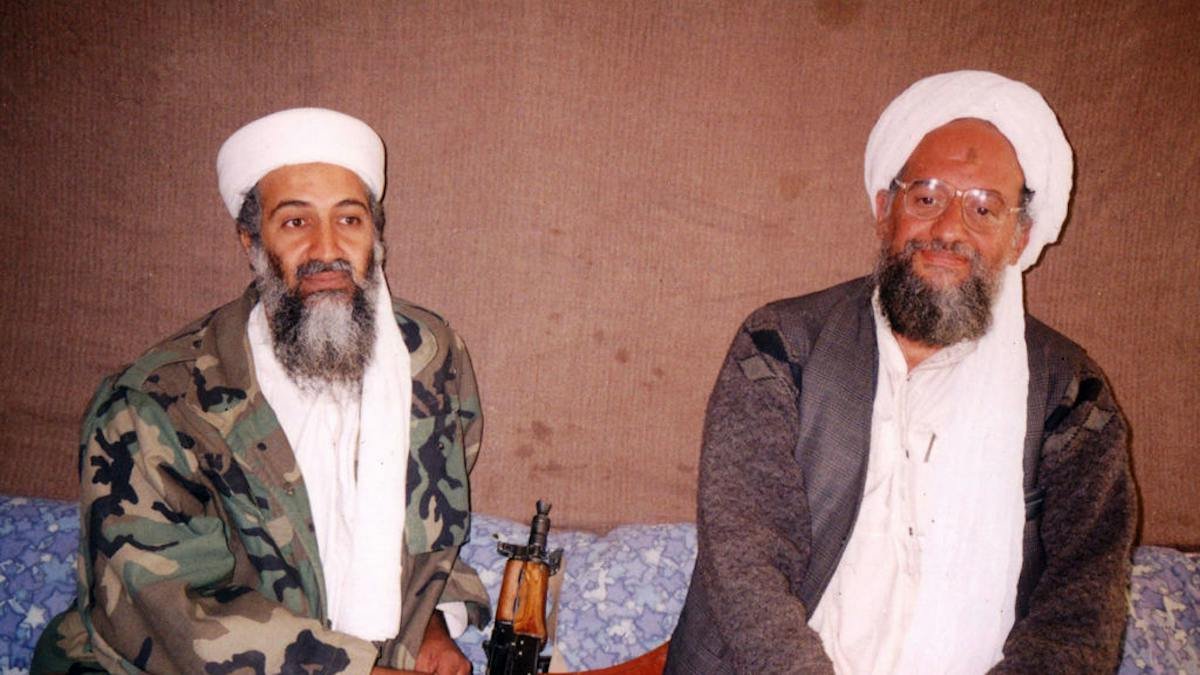
Twenty-five years after the September 11 attacks, the ideology that produced them has not been defeated — it has simply changed tactics, according to extremism experts who gathered at the Manhattan Institute for a program marking the anniversary. Their focus was the Muslim Brotherhood, the global Islamist movement that scholars describe as the ideological parent of groups like Al-Qaeda and ISIS.
Lorenzo Vidino, director of the Program on Extremism at George Washington University, put the relationship bluntly during the event. “The difference between the Brotherhood and Al Qaeda and ISIS is just in the tactics. The ideology is the same. The goals are the same,” Vidino said, according to The Daily Wire’s account of the proceedings.
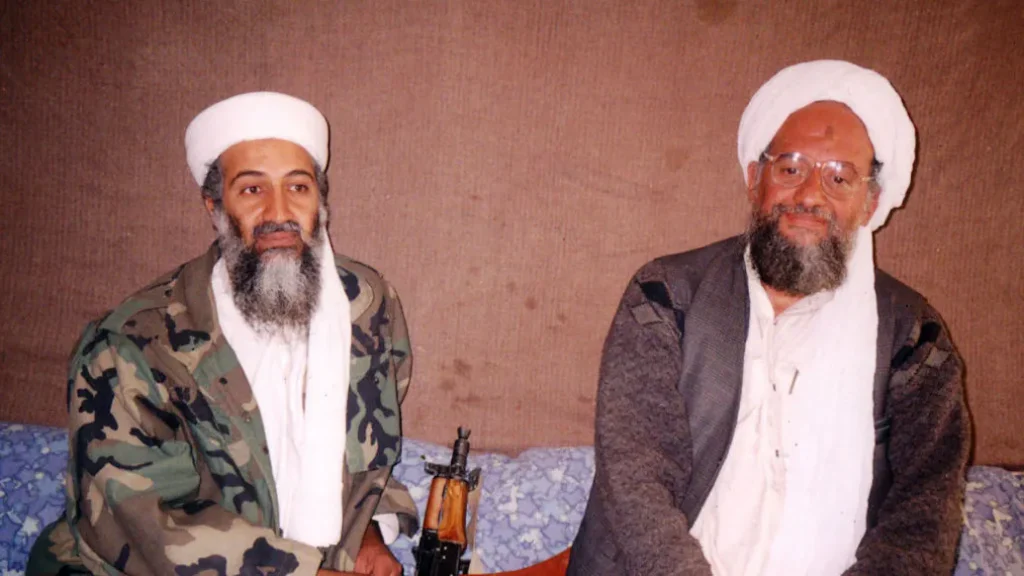
He characterized Al-Qaeda’s founders, including Osama bin Laden, as “impatient brothers” who grew frustrated with the Brotherhood’s long game: a “gradualist approach” and a “century-long plan to Islamize society, infiltrate the system, and eventually gain power.” The split, Vidino said, reflected what he called “the endless debate within Islamist movements … between ballots over bullets.” The Brotherhood has at times employed both methods — a point Vidino illustrated by noting the movement’s role in founding Hamas.
A different kind of security challenge
While earlier panels at the Manhattan Institute event examined how ISIS continues to inspire lone-wolf attacks across the West, the evening’s later half turned to a subtler form of Islamism that panelists argued poses a distinct challenge to the United States. The Muslim Brotherhood was founded in Egypt by adherents of Salafi Islam with the stated goal of globalizing Islam and building a caliphate. A century later, its American footprint often takes the form of charities, nonprofits, and academic sponsorship rather than armed cells — making it difficult for officials to designate its operatives as terrorists without substantially rewriting U.S. law.

That difficulty was central to the panelists’ concern. Mariam Wahba, a Coptic Christian who fled the Egyptian branch of the Muslim Brotherhood, recalled that professors at Fordham University had defended the Brotherhood during her time as a student there. She described the spread of “tentifada” protest movements on college campuses as a symptom of the Brotherhood’s broader influence over American higher education.
The Council on American-Islamic Relations (CAIR) is one Islamic charity that panelists tied to the Brotherhood. Texas Attorney General Ken Paxton — now a Republican candidate for the U.S. Senate — is suing CAIR’s Texas chapter over its operations in the state. The suit outlines extensive connections between CAIR and other violent Islamic groups, including the organization’s founding as what the suit describes as a camouflage tool for the Islamist movement. Some Republican lawmakers have called on the Trump administration to cut off CAIR’s access to federal grants.

Washington turns up the pressure
The Manhattan Institute discussion came amid a broader push by the Trump administration against the Brotherhood’s international financial network. Vidino noted that the Brotherhood is widely proscribed as a terrorist organization across the Arab world, and that President Trump recently designated four of its branches as terrorist organizations.
He also praised what he called an “Al Capone approach” to enforcement: scrutinizing individuals known to be affiliated with the Brotherhood for any other crimes they may have committed, and prosecuting those offenses to the fullest extent possible. The strategy reflects the legal reality that the Brotherhood’s diffuse charitable and academic activities do not fit neatly into existing terrorist designations.
For the panelists, the anniversary served less as a retrospective than as a warning. Two and a half decades after the attacks on New York and Washington, they argued, the ideological current that fed them remains active — operating through institutions, funding networks, and campus influence rather than hijacked planes.
Source: www.dailywire.com — https://www.dailywire.com/news/25-years-later-the-ideology-of-9-11-lives-on