
Twenty-five years after the September 11 attacks, the question Susan Quinn keeps returning to is not how the country should respond, but what it means to heal a world that is still bleeding. Writing in American Thinker, she frames that question through the lens of Jewish chosenness — an idea she insists is less a privilege than a burden.
“The ‘chosenness’ demands a huge responsibility that the Jews were uniquely chosen for: to heal the world,” she writes. She admits she wonders, sometimes, whether she is doing her part.
Her answer is not abstract. Healing the world, in her telling, begins with being “an example of living the life of a moral and upright person” — but it cannot stop there. It means actively stepping into the places where “the world is deeply wounded and suffering.” That is, as she puts it, no small task.
A burden heavier this year than most
What gives her essay its weight is the timing. Quinn says this past 9/11 weekend carried a sense of loss more acute than the remembrances of recent years. The American dream, in her view, isn’t gone, but it is “limping along” — hobbled by people who claim the right to bend and distort it for their own ends.
She writes with visible anger about those she says choose to desecrate the memories of the people who died on 9/11, and of those who have died in the years since from cancers and lung diseases tied to their exposure at the site. The question she puts to them is blunt: where is the humanity of those who celebrate death and destruction?
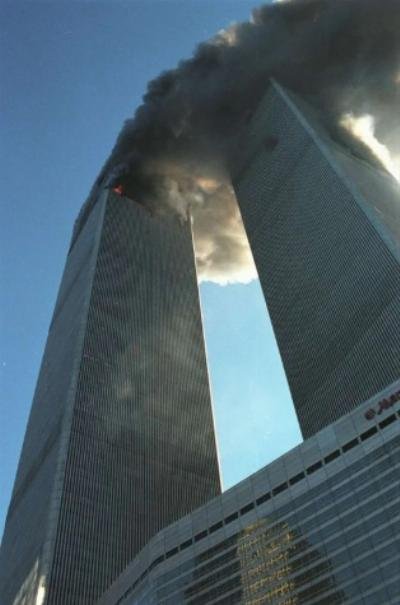
For a single moment, she asks, could they find it in themselves to offer prayers — even now — for the people trapped in the buildings, for the ones who ran toward the attack instead of away from it, and for those who knew the terror of fire and smoke at their backs and jumped?
Watching from a distance
Quinn offers her own recollection of that morning without claiming any special proximity to it. She was in California, alone, her husband away on business in another state. For some reason she woke early and turned on the television, hearing commentators describe the first plane hitting the tower. Her mind froze as she tried to make sense of it.
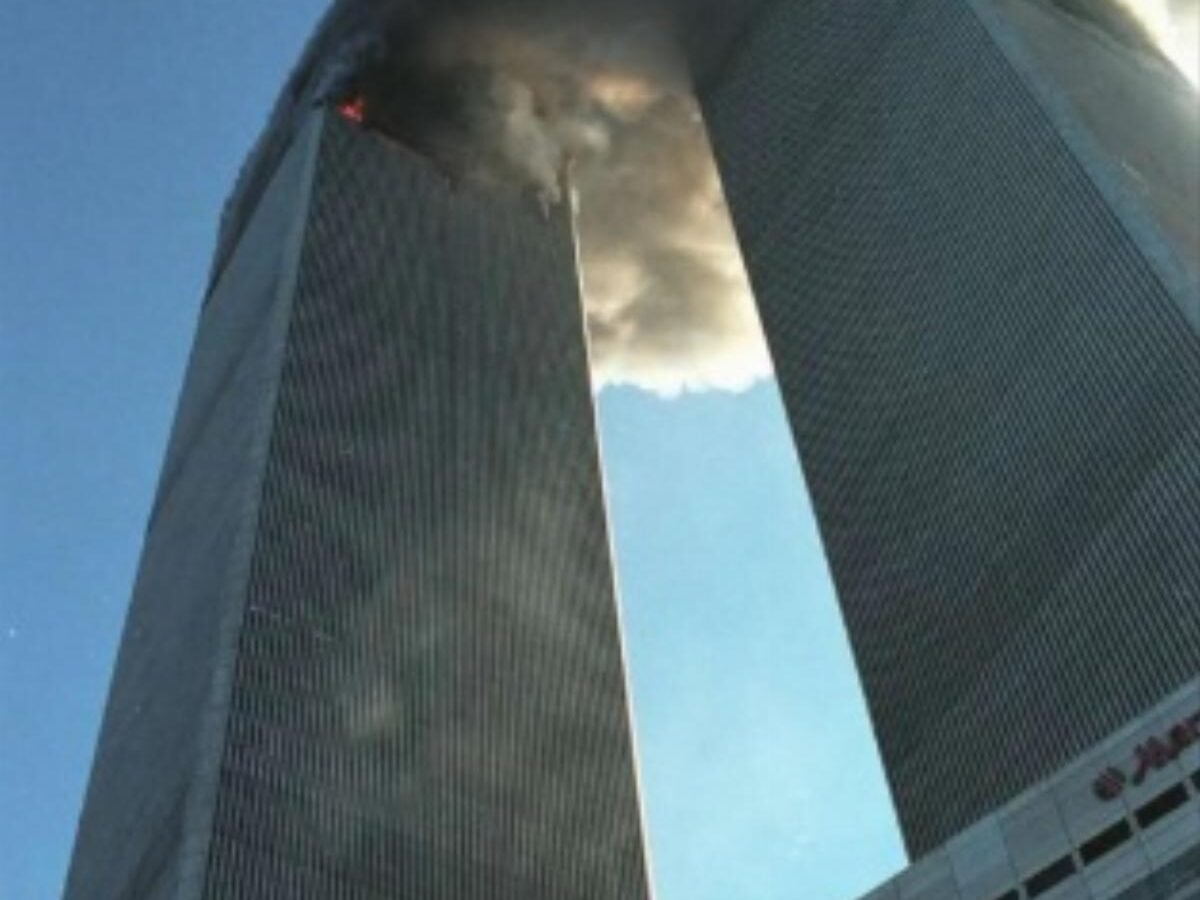
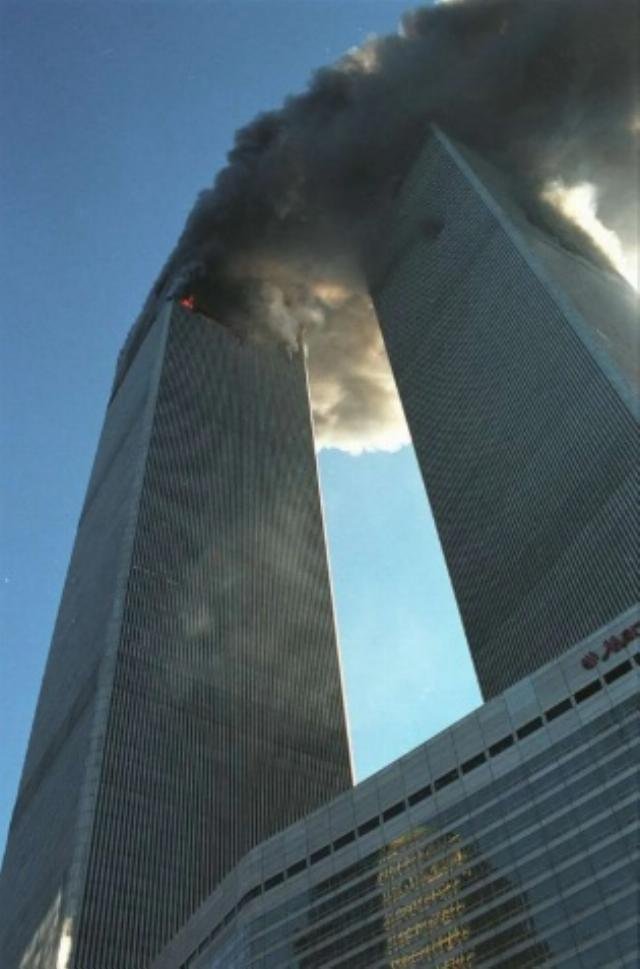
She spent the day walking around the house in a daze. What remained, she writes, were the images: dust and ashes, people running away and firefighters running toward, one man coated entirely in dust, people leaping from the buildings. And all she could do was watch.
That helplessness is the thing she is writing against now. “But today, I am resolving to do much more,” she says.
The shofar as an answer
What that resolution looks like is specific and, for her, spiritual. She wants to cry out loudly enough that God hears her heart lamenting what she calls the debacle and the absence of humanity. She wants to demand that others recognize their own responsibility to “grab the hands of others and form an impermeable spiritual barrier” against viciousness and hate. And she wants to commit herself to fighting what she describes as a barbarism that serves no purpose but to cripple the world.
The essay’s most personal passage describes how she put that commitment into action. On the morning she was writing, she blew the shofar for the second day of Rosh Hashanah. Jewish law does not permit the shofar to be blown on Shabbat, she notes, so she wanted to make up for that omission.
She describes wanting to blow into it “like a bellow that knows no end,” to cry into it so that God would surely hear and recognize that some people — some Jews especially — are prepared to take on this battle. She also wanted to celebrate the people in her life, Jews and Gentiles alike, who she believes would join her in the fight.
Her conclusion is expansive rather than tribal. In these times, she writes, God has chosen all of us to join this conflict.
An argument about memory and duty
Read as a political essay, Quinn’s piece is less a policy argument than a moral one. She does not name elected officials, propose legislation, or assess the state of counterterrorism policy a quarter-century on. Her target is a cultural posture — the willingness she perceives in some quarters to treat 9/11 as an occasion for grievance or performance rather than mourning.
That framing places her in a familiar tradition of anniversary writing, in which the question shifts from “what happened” to “what do we owe.” Her answer is that the debt is ongoing. “9/11 will never be over,” she writes, “and we must continue the fight.”
The essay closes on the same note it opened on: responsibility. For Quinn, chosenness and citizenship converge on the same demand — to mend what is broken rather than merely lament it. Whether or not one shares her theology, the underlying claim is one she presses on everyone: that witnessing suffering from a distance, as she did from her California living room 25 years ago, is no longer enough.
Source: www.americanthinker.com — https://www.americanthinker.com/blog/2026/09/after-9-11-what/