
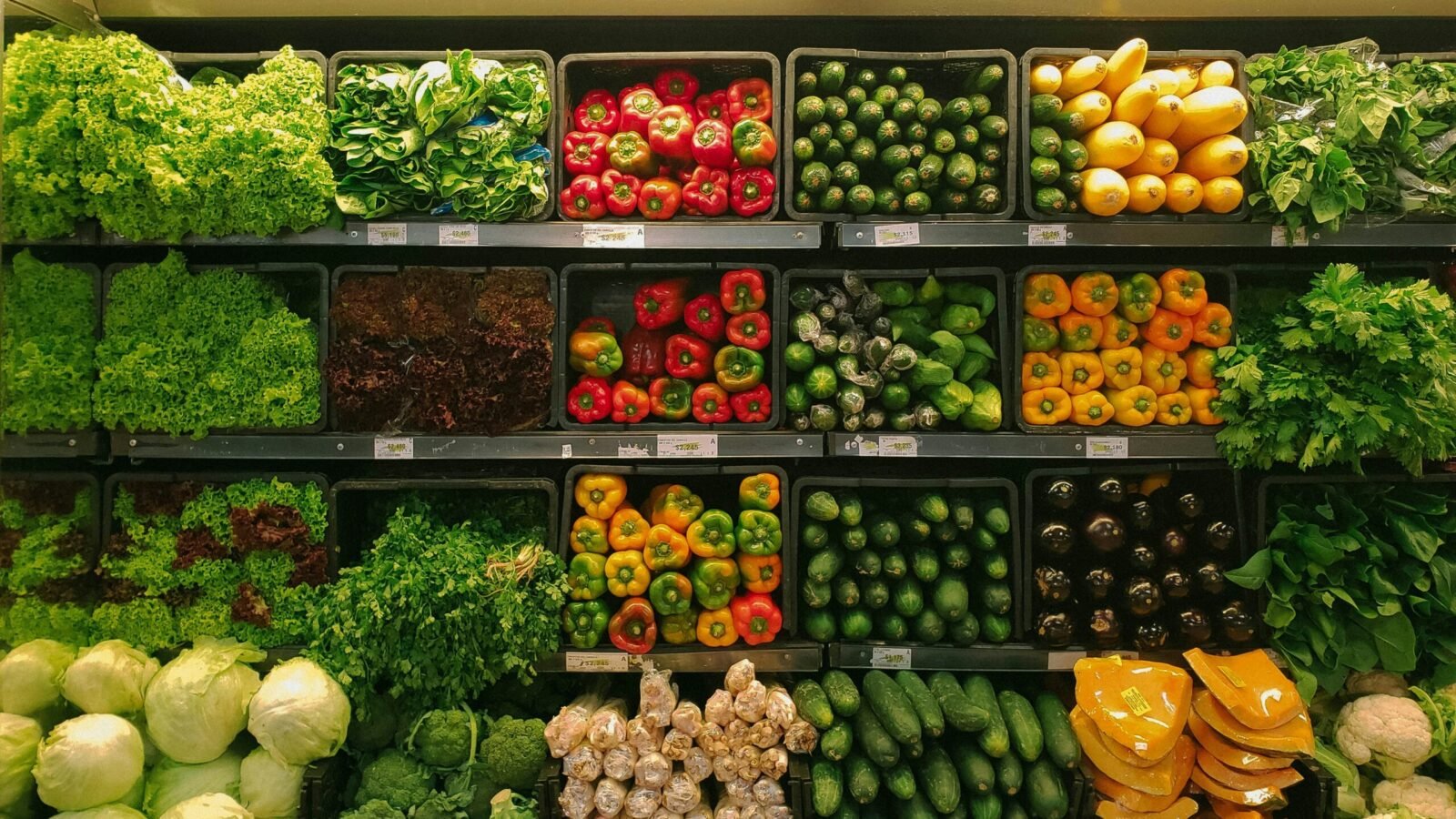
Grocery prices have been on a wild ride since the pandemic, with frequent swings in the cost of everything from eggs to chicken. But according to a chef and restaurant owner writing for The Federalist, eating well doesn’t have to mean emptying your wallet. With a few consistent tricks, he says, you can weather the market swings without denting your budget — and still eat like a chef.
The piece, titled “10 Ways You’re Wasting Money On Groceries And What To Do Instead,” argues that one of the biggest mistakes shoppers make is equating higher prices with higher quality. In many cases, the author contends, you’re paying for convenience and marketing rather than better food.
As a restaurant owner, the chef notes that obsessing over food cost is a matter of survival — a few wasted dollars here and there can mean the difference between staying open and closing the doors. He suggests applying the same scrutiny to your home grocery trips.
Here are the key takeaways from his advice.
Skip the Boneless, Skinless Chicken Breasts
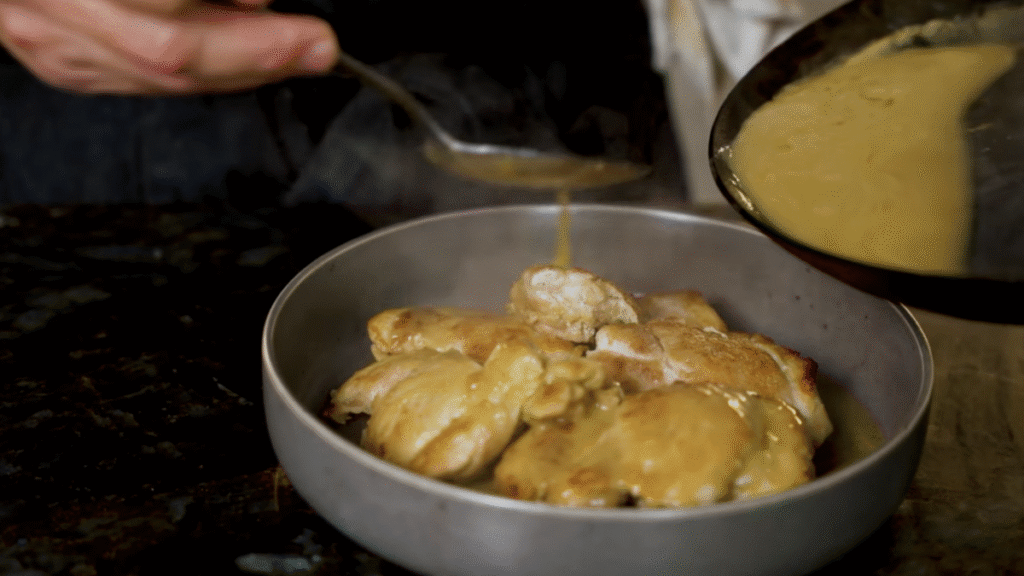
Yes, they’re convenient, but the author cautions that a false sense of convenience will cost you in this market. Instead, he recommends looking at chicken thighs, drumsticks, leg quarters, and whole chickens — whatever gives you the best value that week.
Dark meat, he points out, has more flavor and is much harder to overcook. That makes it forgiving for beginners and versatile for tacos, rice bowls, soups, pasta, sandwiches, and casseroles. And if you buy bone-in chicken, don’t toss the bones. Simmer them with an onion, carrot, and celery — plus any vegetable scraps hiding in your fridge — and you’ve turned dinner scraps into tomorrow’s stock.
Reconsider the Ribeye
You don’t need a $25 ribeye to enjoy steak night, the chef argues. In fact, he suggests you’re paying for a lot of fat with that cut. Look instead for chuck eye, flat iron, Denver steak, sirloin, flap meat, or even eye of round, depending on what you’re making.
The difference is technique: salt properly ahead of time, don’t overcook, and slice tougher cuts thinly against the grain. Finish with butter and herbs.
“Learning how to make inexpensive cuts taste expensive is one of the most valuable skills you can have in a kitchen,” he writes. “I’ll take a properly cooked $8 steak over a destroyed $25 ribeye every time.”
Beware the Pre-Cut Produce Trap
This one drives the author crazy. Check the price per pound of a whole pineapple or watermelon, then look at the little plastic container of pre-cut fruit. You’re paying a huge premium for a few minutes of knife work, he says. The same goes for chopped onions, sliced peppers, and other pre-cut vegetables.
Convenience has value, he acknowledges. If buying chopped veggies means you’ll actually cook instead of ordering $70 worth of DoorDash, then pay for them. But understand that you’re paying for labor, not better food.
Embrace Imperfect Produce
A crooked carrot tastes exactly like a straight one, the author reminds readers. A bruised tomato might not make a beautiful Caprese salad, but it can shine in tomato sauce or pico de gallo. Overripe bananas are perfect for pancakes, smoothies, or banana bread.
Look for markdowns on produce that needs to be used quickly. “This is where knowing how to cook becomes a financial superpower,” he says.
Don’t Fear the Freezer
Frozen isn’t inferior — most frozen food is flash-frozen at peak ripeness. Frozen peas, corn, spinach, broccoli, berries, and other fruits and vegetables are fantastic values. Use what you need and return the rest to the freezer, so you’re not throwing away a $6 container of fresh spinach that turned into green soup in the back of your fridge by Friday.

“Always remember — food you throw away is the most expensive food you buy,” he writes.
And in the seafood aisle, he notes that much of what’s sold as “fresh” was previously frozen. Buying frozen can get you essentially the same product, with more flexibility on when to thaw it. Read labels and compare price per pound.
Rethink Ground Meat
Everyone reaches for ground beef out of habit, but the author says to look around first. Depending on what’s on sale, ground turkey, chicken, or pork could be considerably cheaper and more flavorful. Ground meat is a blank canvas, he notes.
The trick with leaner meat: get your pan hot, don’t crowd it, brown hard, season aggressively, and add fat if needed. Onion, garlic, spices, and a little butter or olive oil can turn inexpensive ground meat into tacos, meatballs, burgers, pasta sauce, or a rice bowl.
“Buy the protein that’s the best value that week, not the one you always buy,” he advises.
Buy Big for Pantry Staples (But Not Too Big)
Rice is among the world’s great budget foods, yet people buy it in small designer packages. If your family eats rice regularly, compare unit prices on a larger bag. A rice cooker is one of the cheapest, most effective tools in the kitchen, he notes.
Apply the same logic to dried beans, oats, flour, and other staples you actually use. But there’s a catch: buying in bulk only saves money if you actually eat it. A 25-pound bag isn’t a bargain if 17 pounds sit in your garage for three years.
Put Eggs in Perspective
People compare egg prices to five or ten years ago. The author suggests comparing them to other proteins instead. Two or three eggs, some potatoes, leftover vegetables, and a little cheese can make a filling, inexpensive meal.
Make an omelet, a frittata, fried eggs over rice, or breakfast tacos. A sunny-side-up egg over roasted potatoes turns yesterday’s side into something that looks like a $17 brunch order ($27 in Los Angeles, he jokes).
Shop First, Cook Second
This may be the biggest change you can make. Most people decide what to cook, find recipes, then go to the store with a list of 37 specific ingredients. The author reverses the process.
His questions: What’s on sale? What’s in season? What protein is the best value? What’s already in your pantry? If chicken thighs are cheap, maybe it’s roasted chicken Monday, tacos Tuesday, and chicken soup Wednesday. Restaurants survive by cross-utilizing ingredients, he notes, and home kitchens should too.
Your fridge shouldn’t contain twelve specialty ingredients bought for twelve different recipes and never touched again — but if it does, at least turn them into soup.
Compare Convenience to Concentrate
Take chicken stock as an example. A big carton of stock is convenient, but the author calls it “seasoned water” with packaging costs. Compare that to concentrated stock base or bouillon cubes, which can provide dozens of uses from a small container. Or make your own stock from bones you’ve already bought.
The principle applies across the store: dried beans can be cheaper than canned, a block of cheese cheaper than pre-shredded, whole vegetables cheaper than chopped. None of these convenience products are inherently bad, he says, but they’ll always be more expensive.
The overall message: buy ingredients instead of products, learn basic techniques, and shop based on value rather than recipes. As the author puts it, “Becoming a smarter and more flexible cook will take you to another level beyond noodles.”
Source: thefederalist.com — https://thefederalist.com/2026/09/03/10-ways-youre-wasting-money-at-the-grocery-store-and-what-to-do-instead/