
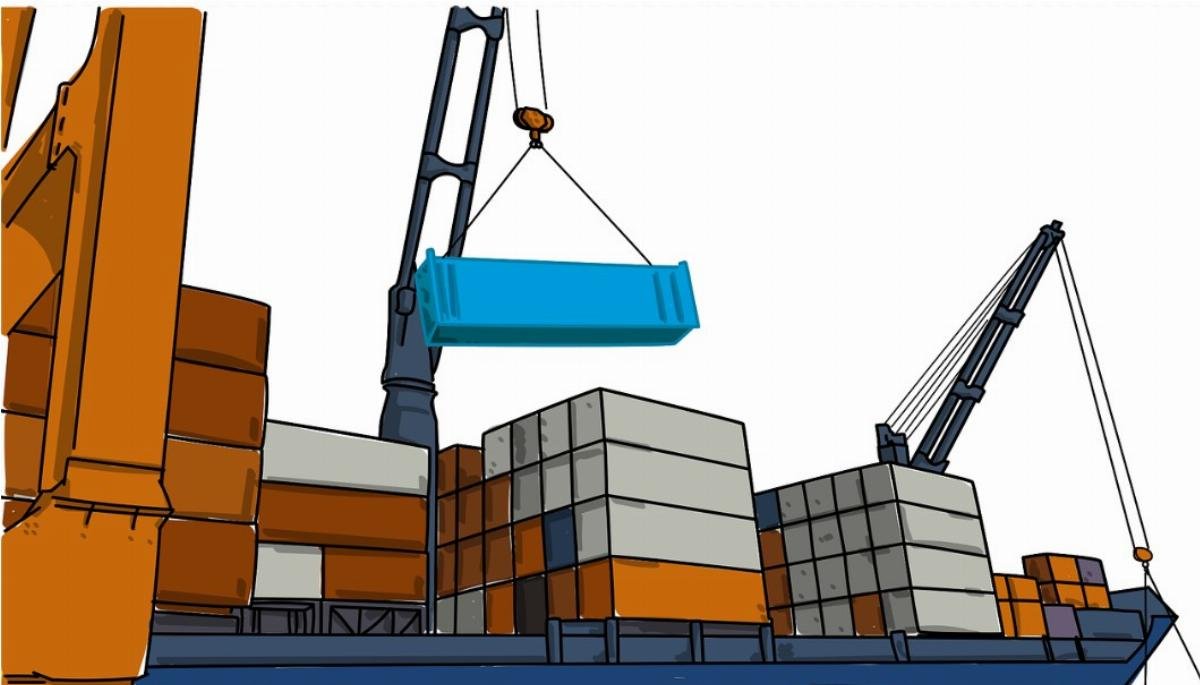
The current U.S.-Canada trade spat has been framed in many ways: tariffs, dairy quotas, softwood lumber, even the occasional rhetorical jab. But according to a new column in American Thinker, the real issue may be far more technical — and far more consequential — than the headlines suggest. The word of the day, writes John F. Di Leo, is transshipment.
Specifically, Di Leo argues, it’s the country of origin transshipment — the Customs version of the term — that sits at the heart of the dispute. That’s a much narrower and more precise definition than the casual use of the word in logistics, where transshipment simply means moving cargo through an intermediate port or hub before reaching its final destination.
In the customs context, transshipment takes on a different weight. It refers to goods that are shipped from one country to another — but not for final sale or consumption there. Instead, they’re moved through that country, sometimes with minimal processing or repackaging, and then re-exported to a third market. The problem arises when the country of origin is misstated — either deliberately or through sloppy documentation — to take advantage of tariff preferences, quotas, or trade agreements that were never intended to apply to those goods.
That’s the crux of the current friction. If a product is genuinely made in Canada, it may qualify for preferential treatment under the U.S.-Mexico-Canada Agreement (USMCA). But if that same product is merely passing through Canada — or if its Canadian origin is claimed when the real manufacturing happened elsewhere — then the entire trade agreement’s integrity comes into question.
Di Leo’s point is that this isn’t a hypothetical or a minor paperwork issue. The ability of customs authorities to verify the true country of origin is central to enforcing trade law. When transshipment is used to circumvent duties or quotas, it undermines the very purpose of those trade agreements — and it can distort markets, hurt domestic producers, and erode public trust in the fairness of the trading system.
The piece is part of American Thinker’s ongoing “Trade Compliance Word of the Day” series, which aims to demystify the jargon that often dominates trade policy debates. By zeroing in on a single term, Di Leo hopes to give readers a clearer lens through which to view the broader dispute.
It’s a reminder that trade wars are rarely just about tariffs and political posturing. They’re often fought over definitions — over what counts as a “Canadian” product, over what constitutes “substantial transformation,” and over where the line between legitimate logistics and regulatory evasion is drawn.
For now, the U.S.-Canada debate continues to unfold. But if Di Leo is right, the resolution may hinge not on grand rhetoric but on the fine print of customs law — and on how strictly officials choose to define a simple, unassuming word.
Source: www.americanthinker.com — https://www.americanthinker.com/articles/2026/08/trade-compliance-word-of-the-day-transshipment/