
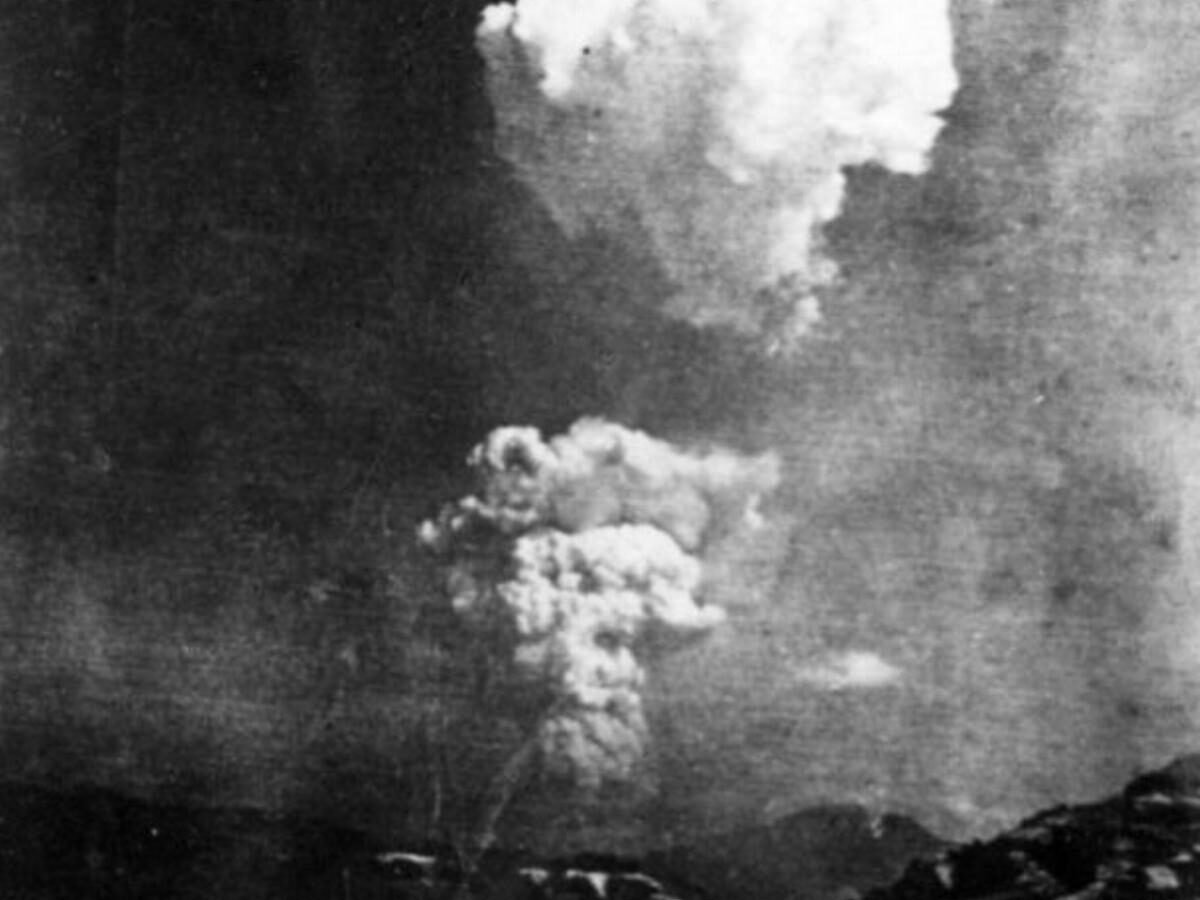
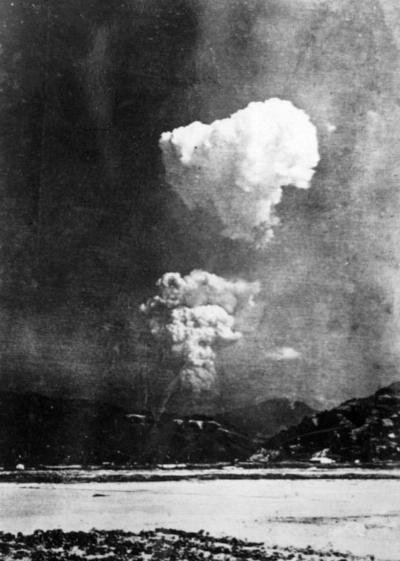
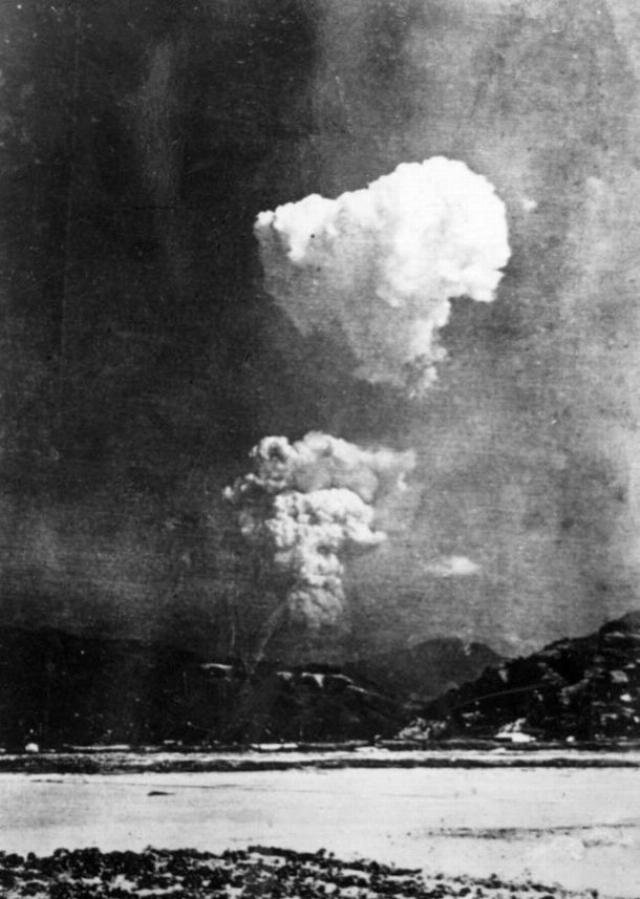
Just over eighty-one years ago, on August 6, 1945, the world witnessed a horror unlike any before. The single bomb dropped on Hiroshima, nicknamed “Little Boy,” unleashed a fireball wider than three football fields, sending a mushroom cloud 20,000 feet into the air. Ground-zero temperatures soared to 5,000 degrees Celsius. In a split second, an estimated 70,000 people were vaporized, crushed, or burned. Tens of thousands more wandered the city in shock, many throwing themselves into the Ota River, which by day’s end was clogged with thousands of corpses.
Three days later, a second atomic bomb fell on Nagasaki, instantly destroying 30 percent of the city and killing 40,000 citizens. Within a week, Japan surrendered, ending a war that had cost an estimated 50 million lives worldwide.
The total death toll from the two nuclear explosions may have reached as high as a quarter million. But in an essay published on American Thinker, author Jim Cardoza argues that while the bombings were an unfathomable tragedy, they also achieved victory for America and likely prevented far greater carnage.
The brutality that preceded the bomb
Cardoza points out that the Japanese military’s conduct between 1931 and 1945 was exceptionally brutal. Japanese invaders murdered more than two million Chinese civilians, tortured countless others, and committed documented sex crimes across Asia. He recounts accounts from Nanjing, where Japanese soldiers rounded up civilians, tied them in groups, doused them with gasoline, and ignited them.
After capturing Nanjing in December 1937, Japanese forces spent the next six weeks not only pillaging the city’s national treasures but also conducting killing contests in which civilians were buried alive, drowned, decapitated, or used for bayonet practice. Children were subjected to medical experiments involving germ injections, amputations, and surgeries without anesthetic.
Cardoza contends that Japan, like Germany and the United States, was attempting to develop a nuclear weapon, and there is little reason to believe it would have refrained from using one against American civilians had it succeeded.
The cost of an invasion
According to Cardoza, the alternative to the atomic bombings was General George Marshall’s plan for an island-by-island invasion of Japan. That strategy projected up to half a million American casualties. The Japanese, who viewed their emperor as divine, had demonstrated at Iwo Jima and Okinawa a willingness to fight to the last man, often choosing to burn in their caves rather than surrender. Kamikaze pilots epitomized this fanatical resolve.
Under Operation Olympic, the first phase of the invasion, 650,000 Americans would have targeted Kyushu, facing 540,000 Japanese troops and 5,000 kamikaze planes. A second phase, Operation Coronet, would have required an invasion force of two million men for the drive toward Tokyo. The Japanese government had even armed its civilian households with guns, knives, and explosives, preparing for a national defense that would have turned every street into a battlefield.
Given that grim arithmetic, Cardoza argues, the nuclear devastation absorbed by Hiroshima and Nagasaki likely saved countless lives—not only American, but Chinese, British, Russian, Australian, and Japanese as well.
The critics and the historical record
Critics have long contended that the atomic bombings were unnecessary and wrong, suggesting that Japan was on the verge of surrender. But Cardoza points to the historical record: when President Truman warned Japan about the impending use of atomic force, the emperor’s government refused to surrender. Even after the Hiroshima blast, Japan stubbornly resisted. Only when it became clear that the United States possessed multiple bombs did Japan accept the inevitability of defeat and surrender unconditionally.
Cardoza’s conclusion is blunt: no apologies from the United States are necessary. The responsibility for the deaths in 1945, he argues, lies with Japan’s emperor and those who blindly followed him. Americans, he says, should be grateful to Truman, who took seriously his duty to protect American troops. Because of Truman’s decision, many fathers and grandfathers were spared the horror of an invasion and lived to come home.
In a time when the morality of the bombings continues to be debated, Cardoza’s essay offers a reminder that the decision to unleash atomic war was not made lightly, and in his view, it was one that saved more lives than it cost.
Source: www.americanthinker.com — https://www.americanthinker.com/blog/2026/08/the-bombs-that-saved-lives/