

A federal appeals court has upheld an Arkansas law that allows the state to restrict minors’ access to sexually explicit material in public libraries, a decision that has ignited fierce backlash from library advocacy groups and reignited the national debate over what belongs on school library shelves.
The 8th U.S. Circuit Court of Appeals ruled that the Arkansas law, which permits criminal charges against librarians who knowingly provide ‘harmful’ material to minors, is constitutional. Arkansas Attorney General Tim Griffin hailed the decision, saying it ‘protects children from obscene materials while increasing accountability for public-library curation decisions.’
The law does not ban books outright. Instead, it targets material deemed sexually explicit and restricts availability to minors. Critics argue it is censorship; supporters counter that it is a common-sense safeguard for young children.
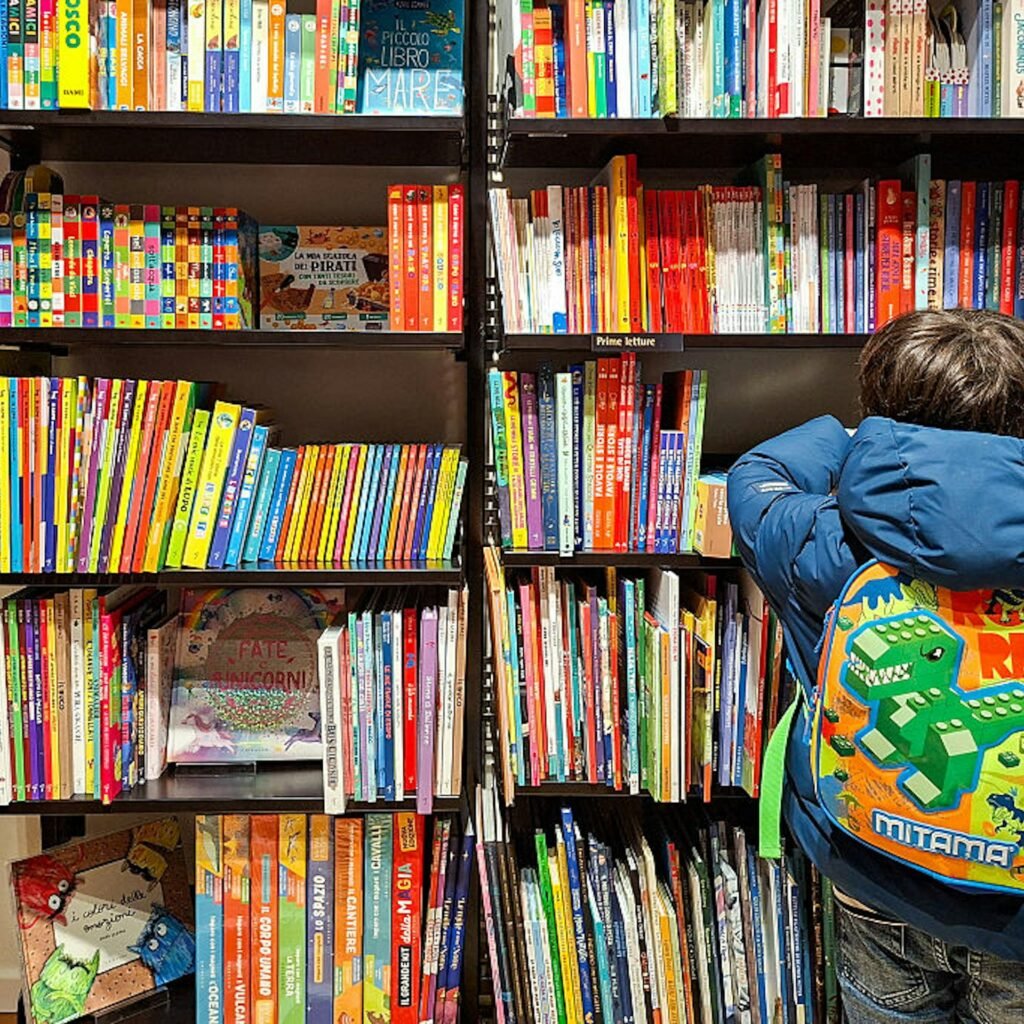
Librarians and Advocacy Groups Respond with Fury
The American Civil Liberties Union of Arkansas vowed to ‘continue fighting attempts to censor books and restrict the freedom to read.’ Book Riot contributor Kelly Jensen, a former librarian, went further, suggesting librarians would be ‘arrested for doing their jobs’ and blaming ‘white supremacy’ for the ruling.
The heated rhetoric has drawn attention to a specific book cited in the debate: ‘Sex Is a Funny Word,’ a sex education book aimed at children aged eight to ten. The book reportedly teaches that ‘having a penis isn’t what makes you a boy’ and introduces young readers to concepts like masturbation, referred to as ‘magic touch.’
Even the American Library Association (ALA), a longtime supporter of expansive library access, acknowledges the Arkansas law is intended to ‘protect younger minors.’

The Law’s Scope and the ‘Banned Books’ Debate
Supporters of the law emphasize that it does not prevent older teens or adults from accessing books about gender identity or sexual orientation. Titles like ‘Two Boys Kissing’ remain available in bookstores and online. The law simply asks whether a public school library should recommend such material to an eight-year-old or introduce a third grader to concepts like applying lube or performing oral sex.
Library advocates often frame the issue as a fight against ‘book bans,’ but proponents of the Arkansas law argue that no book is truly banned — given that virtually any controversial title can be found online or in stores. They insist the real goal is preventing children from accessing pornographic material in a taxpayer-funded library without parental knowledge or consent.
Public Opinion on Age-Appropriate Content
Polling suggests that while Americans broadly support free speech and oppose outright book bans, they draw a clear line at sexually explicit content in school libraries. A majority of parents express confidence in librarians, but at least 85% believe some books are inappropriate for young children. A striking 90% say sexually explicit content has no place in school libraries.

Nearly 90% of Americans also believe schools should fully inform parents about what is being taught to their children. These numbers indicate that the library lobby’s position may be out of step with mainstream public sentiment.
The Road Ahead
The Arkansas ruling is a victory for parental rights advocates, but the battle is far from over. Library advocacy groups, backed by the ALA, are vowing to continue challenging similar laws in other states and in court. The ALA’s official stance, dating back to the 1960s, holds that ‘any political or governmental body is qualified to determine what one person should or should not read.’
Critics argue that this absolutist position gives libraries license to stock materials that most parents find inappropriate for young children, while dismissing parental concerns as censorship.
For now, the Arkansas law stands, but the cultural conflict over what children can access in public libraries shows no signs of abating.
Source: www.dailywire.com — https://www.dailywire.com/news/librarians-are-angry-they-cant-keep-shelves-stocked-with-sexually-explicit-kids-material