
A thoughtful defense of President Trump’s temporary beef import increase has a blind spot, according to a new column at American Thinker. The blind spot isn’t the cattle cycle or the heifer math — it’s the person at the checkout counter.
Sean Davis recently argued that Trump’s decision to allow up to 300,000 metric tons of additional ground beef into the United States, tariff-free for 90 days, would worsen the long-term cattle shortage. Luis Gonzalez, writing for American Thinker, takes Davis’s argument seriously — and then takes it apart.
Yes, there’s a shortage — and no, it can’t be rushed
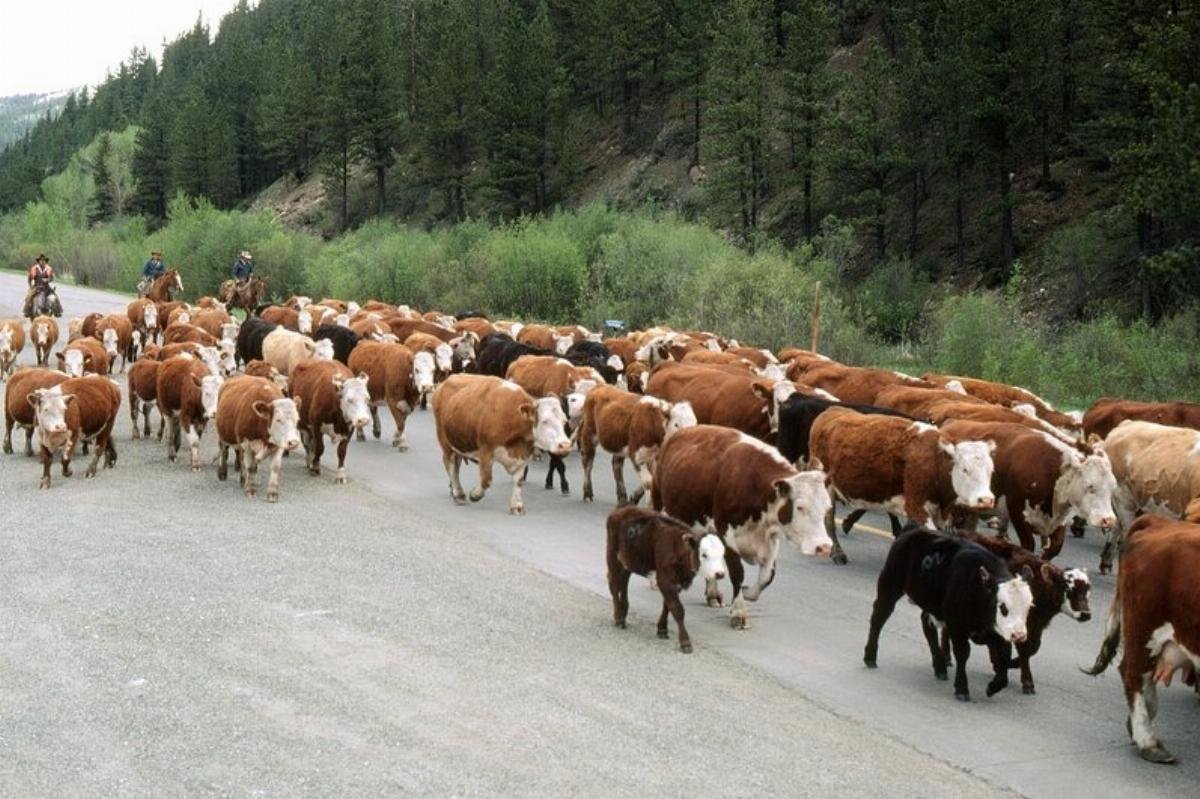
Gonzalez concedes Davis gets the basic biology right. America is facing a cattle shortage, and the herd is at an estimated 75-year low. USDA data puts the national herd at roughly 86 million head. And rebuilding it can’t be hurried — a heifer must be retained, mature, and bred, and her calf must grow to market weight. That takes years, not months, and no tariff or executive order can speed it up.
The problem, Gonzalez argues, is what Davis does with that fact. Davis contends that additional imports will lower prices, which will encourage ranchers to sell rather than retain heifers, making the shortage worse. It sounds plausible, Gonzalez writes, but it’s not the same as proving it.
Consumers are already feeling it
Ground beef hit $6.89 a pound in July, and Axios has reported that beef prices have become a genuine household affordability problem. Gonzalez asks a pointed question: What are American families supposed to do while ranchers rebuild and calves mature? Pay $7 a pound? $8? $10? At what point does beef become a luxury instead of a staple?
His point is simple but often lost in the policy debate: consumers didn’t create the drought, didn’t cause the cattle shortage, and didn’t close packing plants. Yet they’re the ones standing at the end of the supply chain, paying for all of it. And the price at the grocery store isn’t what ranchers receive — between the ranch and the checkout are transportation, processing, labor, packaging, distribution, and retail costs.
The bridge argument
Nobody seriously believes that importing 300,000 metric tons of beef will rebuild the American herd, Gonzalez writes. That’s not the point. The point is to get more product into a market that doesn’t have enough — a temporary bridge while the biological process runs its course.
The administration says the imported beef will be sold at 25 percent below current market prices. But Reuters quotes economists skeptical that the volume will move retail prices much at all. And that, Gonzalez argues, creates a logical problem for Davis’s position: if 300,000 metric tons is too small to materially affect the market, how can it materially destroy the incentive to rebuild the herd? And if it’s large enough to lower prices meaningfully, then consumers are getting relief. Either way, the magnitude needs to be established, not assumed.
The heifer argument is real — but it’s not that simple
Gonzalez calls the heifer argument Davis’s strongest point. Lower beef prices could reduce the incentive for ranchers to retain heifers. But “could” is doing a lot of work. A rancher’s decision about whether to keep a heifer isn’t driven by today’s hamburger price alone. It involves expected cattle prices, feed costs, pasture conditions, financing, drought, replacement costs, and the expected return years down the line.
A 90-day import policy is not a 90-day cattle decision. A rancher retaining a heifer today is betting on an animal that may not produce a marketable calf for years. Imports might influence that calculation, Gonzalez concedes — but Davis hasn’t shown that a temporary import window will reverse the economics of herd rebuilding. He’s assumed it.
What about Tyson and JBS?
Davis points to Tyson and JBS as evidence that shrinking cattle supplies are destroying American processing capacity. The plant closures are real, Gonzalez acknowledges, but the explanation is more complicated. Tyson’s recent decisions are a response to the cattle shortage — the company is consolidating because there aren’t enough cattle to keep every facility running efficiently. It has also said it can add shifts as supplies improve.
That’s a supply problem, not evidence that imports caused the closures. JBS has likewise announced network changes amid scarce supplies. Consolidation can hurt communities and workers, but it isn’t automatically permanent destruction of capacity. Davis needs to establish that temporary imports will permanently damage processing capacity — not just assume it.
Consumers can and will substitute
There’s another problem with the rancher-first argument, Gonzalez writes: consumers substitute. When beef gets too expensive, people buy chicken, pork, or turkey. They buy less. Or they stop buying beef altogether. A cattle industry can’t rebuild indefinitely on the assumption that consumers will keep paying whatever price scarcity produces.
Protecting the producer while weakening the market the producer depends on isn’t a winning strategy. Gonzalez argues that a temporary increase in supply can relieve pressure on consumers without eliminating the long-term incentive to produce. If the import volume is too small to matter, Davis’s nightmare scenario collapses. If it’s big enough to matter, consumers benefit.
The check-out counter question
Davis ends by urging the administration to focus on heifer retention incentives. Gonzalez agrees that’s important — but asks the question Davis leaves unanswered: How much should the American consumer be expected to pay while we wait?
The herd can’t be rebuilt in 90 days or six months. It takes years. That’s precisely why temporary relief makes sense. Gonzalez argues for a policy mix that includes heifer retention incentives, better financing access, lower feed and input costs, expanded domestic processing where justified, and temporary supply supplements where needed.
That’s not abandoning ranchers, he writes. It’s recognizing that ranchers and consumers occupy different positions in the same market. American families shouldn’t have to finance the herd’s rebuilding through an open-ended beef tax at the grocery store. That isn’t free-market economics — it’s asking one side of the market to absorb the entire cost of a problem it didn’t create.
And that, Gonzalez concludes, is where Sean Davis’s argument forgets the most important participant in the beef market: the person standing at the checkout counter.
Source: www.americanthinker.com — https://www.americanthinker.com/articles/2026/08/the-beef-argument-that-forgot-the-consumer/