
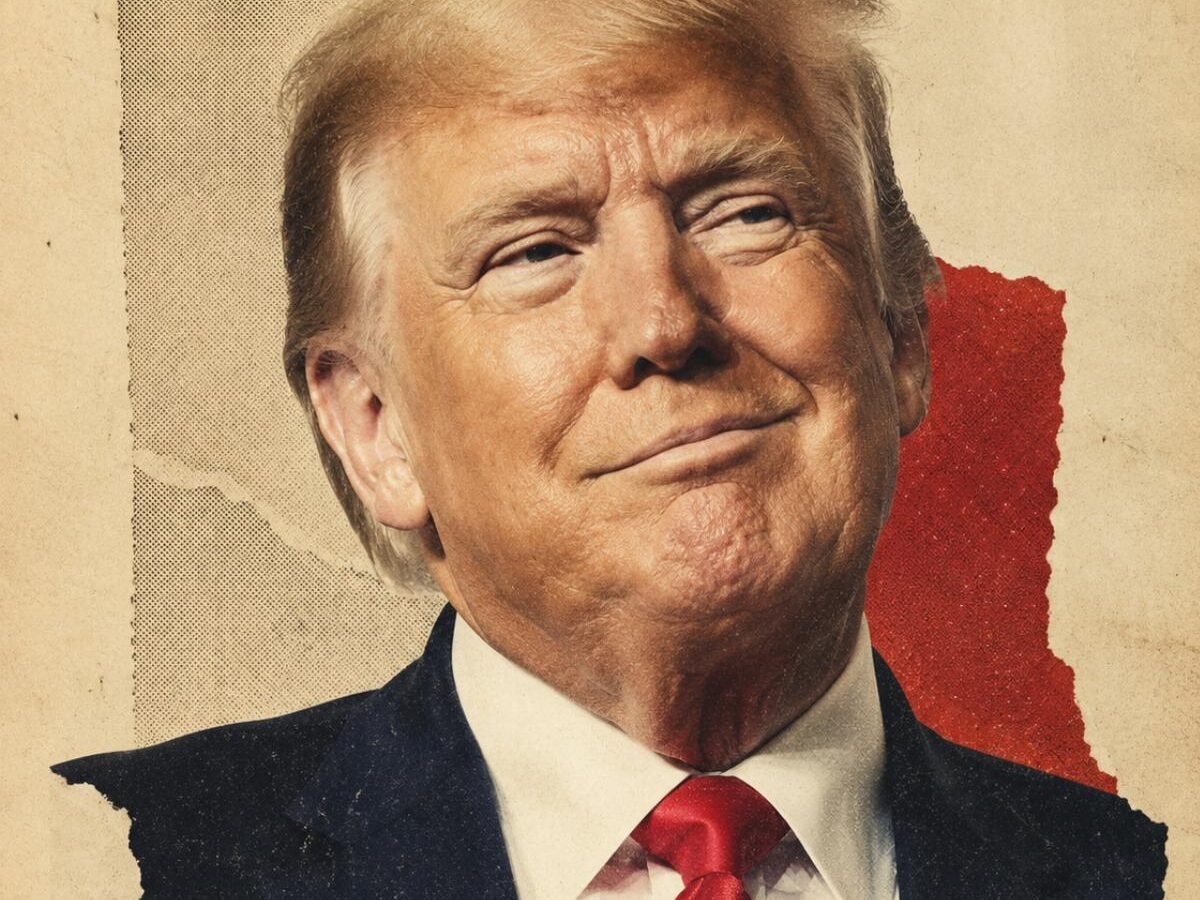
In a move that has legal scholars and political observers buzzing, President Trump has dramatically escalated his immigration battles with the federal judiciary. According to a report from American Thinker, after a Biden-appointed judge struck down his administration’s visa freeze on 75 countries on August 21, 2026, Trump responded five days later by expanding the freeze to cover 120 more countries—effectively implementing a global visa freeze.
The original policy, instituted in January, froze visas from countries deemed likely to “import public charges” to the United States. The term “public charge” refers to individuals who are likely to become dependent on certain forms of public assistance after arriving in the U.S., making them inadmissible under federal immigration law.
But rather than retreat in the face of the court’s ruling, Trump doubled down. The message, as characterized by American Thinker columnist M. Walter, was essentially: “I’ll see your 75 countries and raise you 120 more.”
The Plenary Power Doctrine
At the heart of this confrontation is a long-standing legal principle known as the plenary power doctrine. This doctrine, which has its roots in nineteenth-century case law beginning with Chae Chan Ping, grants the federal government—and particularly the executive branch—broad authority over immigration matters. Initially, it meant absolute federal power over borders and the nonjusticiability of immigration challenges. Over time, it evolved into a highly deferential standard of review, with the Supreme Court upholding decisions excluding noncitizens from entry as long as the government provides a “facially legitimate and bona fide” reason.
While the doctrine’s scope has been eroded in areas like procedural due process and indefinite detention, courts have not extended those developments to first-time visa applicants with no existing ties to the United States. This distinction is critical to Trump’s argument that the president has “near plenary power” to deny first-time visa applicants entry.
A 1996 Law Remembered
Walter’s analysis points to a 1996 law signed by President Bill Clinton that established the public charge standard. That law, which was upheld during Trump’s first term, required immigration officials to deny permanent legal residency to those who may become public charges. A 2020 article in The Cape Cod Times, cited by Walter, noted that the 1996 law was existing law and that the 2020 regulation expanded the definition of public charge to include those receiving more than 12 months of assistance in a 36-month period, as well as those using housing or food assistance programs.
Walter argues that this 1996 law is often forgotten by critics—including the judge who struck down the original freeze—and that Trump’s actions are firmly within his rights.
What Comes Next
The expansion to a global visa freeze is a bold escalation that virtually guarantees a prolonged legal battle. Walter predicts that the case will eventually reach the Supreme Court, where precedent should, in his view, uphold the president’s authority.
This development raises significant questions about the limits of executive power over immigration and the proper role of the judiciary in reviewing such decisions. Critics will likely argue that the global freeze is an overreach, while supporters will point to the plenary power doctrine and the 1996 law as justification.
As the legal process unfolds, one thing is clear: the Trump administration is not backing down. Whether the courts will ultimately agree with this aggressive interpretation of presidential authority remains to be seen, but the stage is set for a landmark constitutional showdown.
Source: www.americanthinker.com — https://www.americanthinker.com/blog/2026/08/trump-trumps-the-judge-and-it-s-an-instant-classic/