
A bipartisan coalition of 47 Republicans and four Democrats in the House of Representatives has introduced legislation that would significantly expand visa options for agricultural workers while providing legal status to certain undocumented individuals currently working in the farming sector.
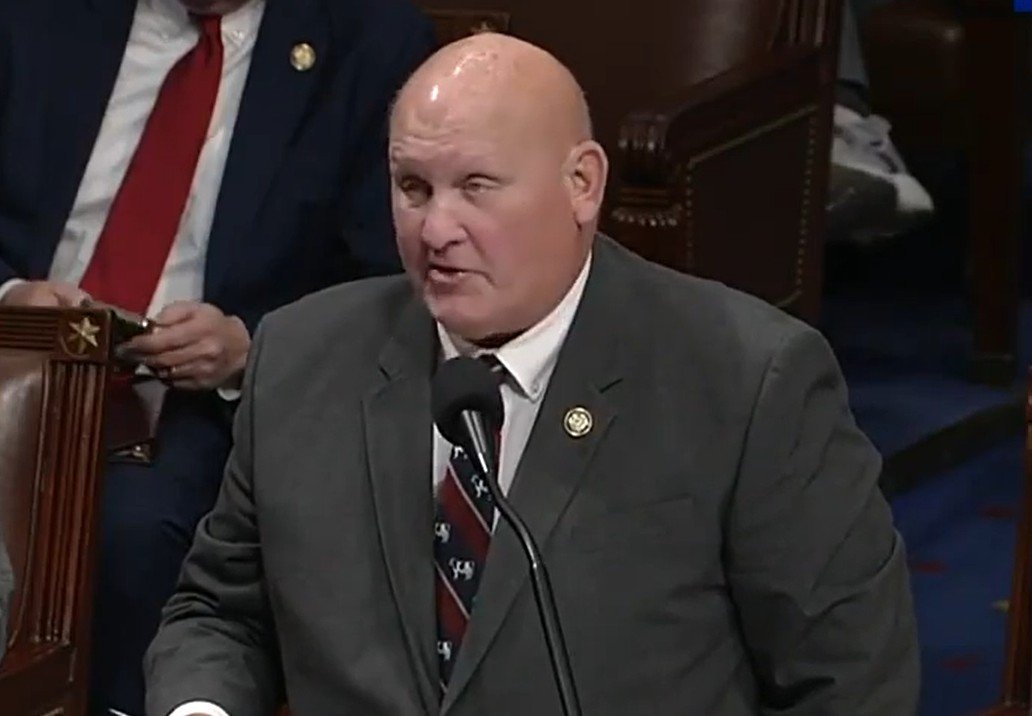
The bill, authored by Rep. Glenn Thompson, R-Pennsylvania, who chairs the House Agriculture Committee, would allow undocumented agricultural workers employed as of May 31, 2026, to obtain H-2A farmworker visas. The legislation would waive certain immigration violations, including the illegal obtaining of agricultural employment, to facilitate this transition to legal status.
According to The Federalist, which first reported on the measure, the bill would also shield employers who hired undocumented workers from potential legal consequences related to those hiring practices.
Addressing Agricultural Labor Shortages
In a Dear Colleague letter obtained by Politico, Thompson framed the legislation as a response to persistent labor challenges in the agricultural sector. “With the border now secure, it is time to address these shortcomings and provide fair and legal pathways for all of agriculture to obtain workers when they are unable to find U.S. citizens willing to perform these noble but arduous tasks,” Thompson wrote.
Supporting documentation for the bill indicates it would “ensure that aliens who have self-deported or those who are here and currently working in agriculture but whose only crime is unlawfully obtaining employment will be eligible to apply for H-2A status.”
The scale of undocumented agricultural employment in the United States is substantial. According to Department of Labor survey data, approximately 327,000 agricultural workers lack authorization to work in the country. However, this figure accounts only for crop production and excludes workers in dairy, poultry, hog, and other livestock-related operations, suggesting the actual number is considerably higher.
Data from the U.S. Department of Agriculture provides additional context on the composition of the farmworker population. During 2020-2022, 32 percent of crop farmworkers were U.S. born, 7 percent were immigrants who had obtained citizenship, and 19 percent were other authorized immigrants, primarily permanent residents or green card holders. The remaining 42 percent held no work authorization.
Key Provisions of the Legislation
The bill includes several provisions that would substantially alter the current H-2A visa program. Under existing regulations, labor certifications for H-2A workers cannot extend beyond one year. The proposed legislation would triple that duration, allowing visas to last for three years. This change would also extend the annual requirement for employers to assess whether domestic workers are available before seeking international labor.
Another significant element designates H-2A workers as “essential,” which carries practical implications during government funding lapses. The bill states: “In the case of a lapse of government appropriations, all functions necessary for the processing, certification, and admission of H-2A workers shall be deemed essential to the protection of life and property and such functions shall continue uninterrupted for the duration of such lapse.”
Industry and Political Support
The American Farm Bureau Federation has expressed strong support for the measure, according to Politico’s reporting, which noted the bill reflects objectives of agricultural industry lobbying groups.
The 51 co-sponsors represent a geographically diverse coalition spanning major agricultural states. Republican supporters include representatives from Pennsylvania, Washington, Idaho, Iowa, North Carolina, Mississippi, Texas, Utah, Montana, New York, Indiana, Alabama, Michigan, Colorado, South Carolina, Virginia, Tennessee, Florida, Ohio, Georgia, Minnesota, Kentucky, Wisconsin, Nebraska, Oregon, California, Illinois, and New Jersey. The four Democratic co-sponsors are Reps. Don Davis of North Carolina, Josh Riley of New York, Vicente Gonzalez of Texas, and Maggie Goodlander of New Hampshire.
Administration Position Uncertain
The White House has not yet issued a statement on the legislation and did not respond to a request for comment from The Federalist.
During President Donald Trump’s second term, speculation has periodically emerged regarding potential consideration of legal status provisions for workers in agriculture and hospitality sectors. Trump and relevant cabinet officials, including Agriculture Secretary Brooke Rollins and former Labor Secretary Lori Chavez-DeRemer, have previously denied that such measures are under consideration.
The legislation now faces the standard legislative process in the House, where its bipartisan support may improve its prospects for advancement, though its ultimate fate remains uncertain given the contentious nature of immigration policy debates in Congress.
Source: thefederalist.com — https://thefederalist.com/2026/07/20/47-republicans-are-pushing-amnesty-for-illegal-alien-agriculture-workers/?utm_source=rss&utm_medium=rss&utm_campaign=47-republicans-are-pushing-amnesty-for-illegal-alien-agriculture-workers