
This Labor Day, as Americans honor the contributions of workers, two New Jersey schoolteachers are asking a question that echoes far beyond their classrooms: Where exactly did our union dues go?
Marie Dupont and Ann Marie Pocklembo have filed a lawsuit against the New Jersey Education Association (NJEA), alleging that the union broke its promise to members by quietly using mandatory dues to fund political activism, including a massive transfer of more than $40 million to groups supporting the union president’s gubernatorial ambitions.
The lawsuit, reported by the Daily Wire, claims that NJEA membership materials assured teachers that regular dues were separate from voluntary contributions to political action committees. Dupont and Pocklembo, who did not wish to support the union’s PACs, say they relied on that distinction. But behind the scenes, the union allegedly channeled tens of millions of dollars in mandatory dues into its super PAC, Garden State Forward, which then moved over $40 million to union-tied political groups backing Sean Spiller in the 2025 Democratic gubernatorial primary.
The allegations don’t stop there. An IRS complaint filed by the New Jersey Policy Institute contends that the NJEA failed to report its contributions to Garden State Forward as political activity on its annual returns dating back to at least 2013, even as the union reportedly sent more than $100 million to the super PAC over that period.
Following public scrutiny, the union’s latest IRS filing—submitted last month—appears to finally classify its Garden State Forward contributions as political activity. That change, while welcome, raises a troubling question: Why were tens of millions of dollars in similar spending reported differently in prior years?
The case highlights a broader concern about transparency in public-sector unions, a theme that resonates beyond New Jersey.
A Broader Pattern of Opacity
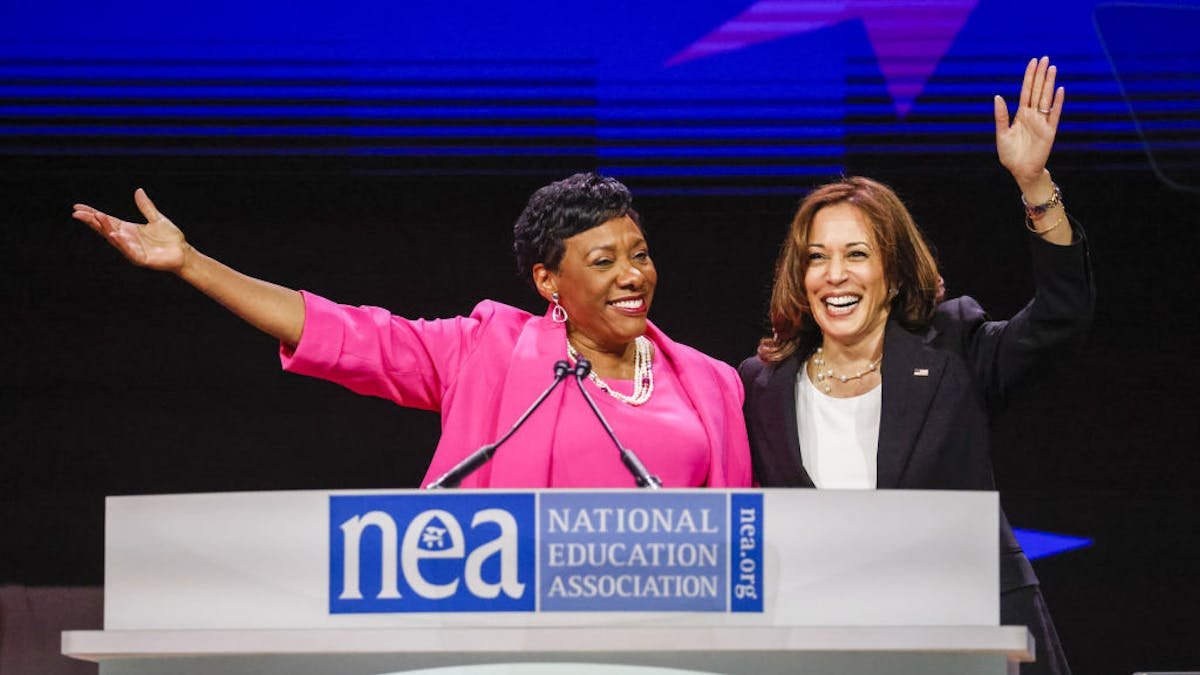
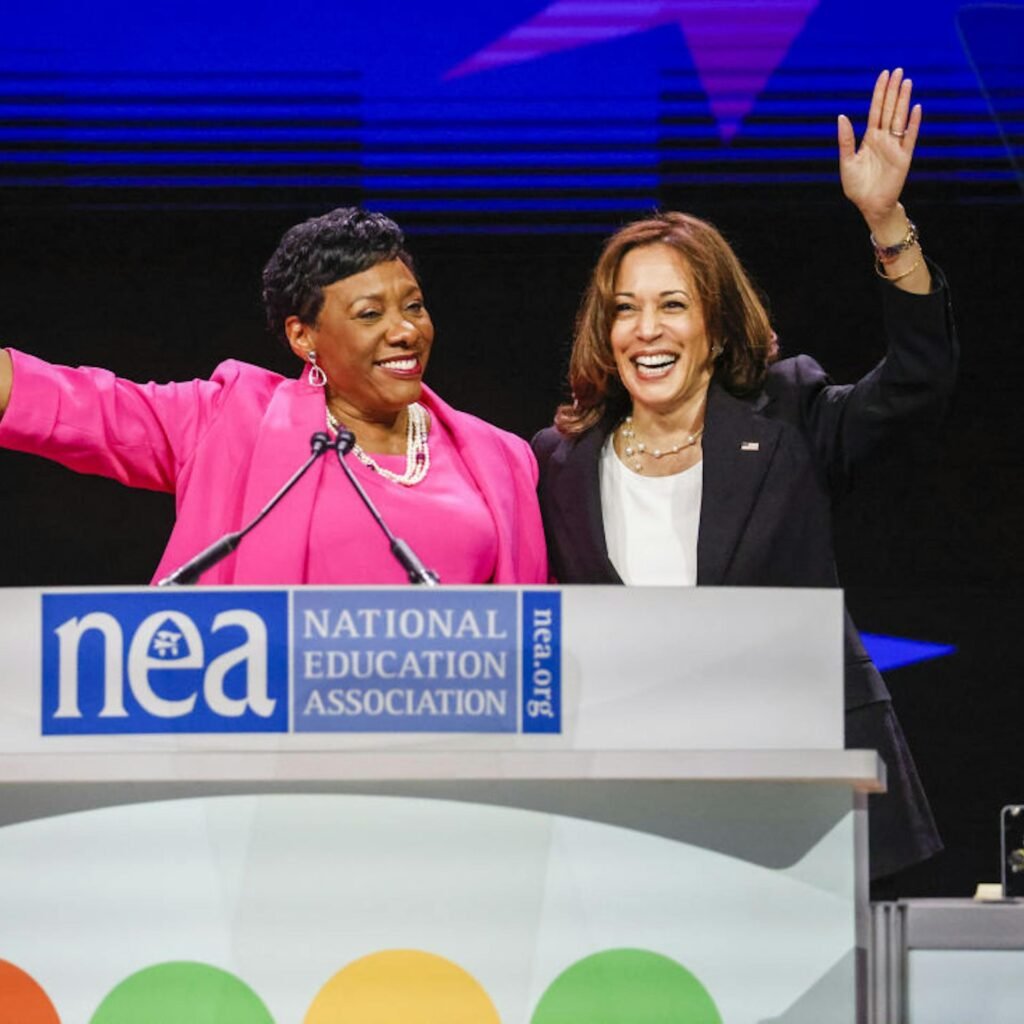
A recent study focusing on national teachers’ unions suggests that obscured political spending may be widespread. The report found that the NJEA’s parent organization, the National Education Association (NEA), reported less than $100,000 in staff compensation tied to political activity in fiscal year 2024—a staggering 99 percent drop from its average of $7.9 million over the previous decade. Yet the union’s overall political spending did not decrease correspondingly.
The following year, however, the compensation category rebounded to its usual levels, according to the study. This fluctuation implies that political work may be shifted to outside organizations rather than being transparently listed on the NEA’s own books.

Political spending isn’t the only area where union members find themselves in the dark. Basic financial reports can be equally opaque.
In Chicago, the Chicago Teachers Union long resisted releasing five years of audits until pressure from members—including representatives from the Liberty Justice Center—and lawmakers compelled action. When the audits finally surfaced, they revealed adverse opinions from the union’s own auditors, who noted that the financial statements previously given to members failed to include related foundations that held tens of millions of dollars in assets.
The pattern extends to Connecticut, where Professor Earl Ormond, a former police officer who now oversees a criminal justice program at a community college, and Ryan Bilodeau, a state corrections officer, have taken legal action to force transparency from their unions.
Connecticut law dating back to 1957 mandates that public-sector unions file annual financial reports with the state labor commissioner. It also gives members the right to request state-conducted audits of those records. But Ormond and Bilodeau discovered that most unions in the state had never filed the required reports, and the labor commissioner had not enforced the law.

“When you can’t get straight answers about where your money is going, your trust in the union starts to break down,” Bilodeau said. “Auditing the spending is the core of everything. If someone is hiding financial details from you, it raises red flags.”
Only after Ormond and Bilodeau filed suit did the commissioner finally notify unions that they must comply with the law. Last month, a court entered judgments in their favor, with the unions stipulating they will adhere to financial reporting requirements now and in the future.
The legal victories in Connecticut put union officials on notice that members can turn to the courts to enforce transparency laws.
Members Demand Accountability
Union members in Chicago, Connecticut, and New Jersey are increasingly refusing to be treated as faceless cogs in a political machine or mere revenue sources for union insiders. Their demands are straightforward: follow basic transparency and disclosure laws before lawsuits become the only recourse for public servants seeking answers.
The Fairness Center, a nonprofit public interest law firm, is representing Dupont, Pocklembo, the New Jersey Policy Institute, Ormond, and Bilodeau in these transparency fights.
As the Labor Day holiday prompts reflection on workers’ rights, these cases serve as a reminder that accountability is a fundamental right—even within the unions that claim to represent workers. The question of where dues dollars truly go remains a pressing concern for public employees across the nation.
Source: www.dailywire.com — https://www.dailywire.com/news/how-public-sector-unions-hide-member-dues-to-finance-political-activism